Abandoned Soviet Radar Station Skuodas
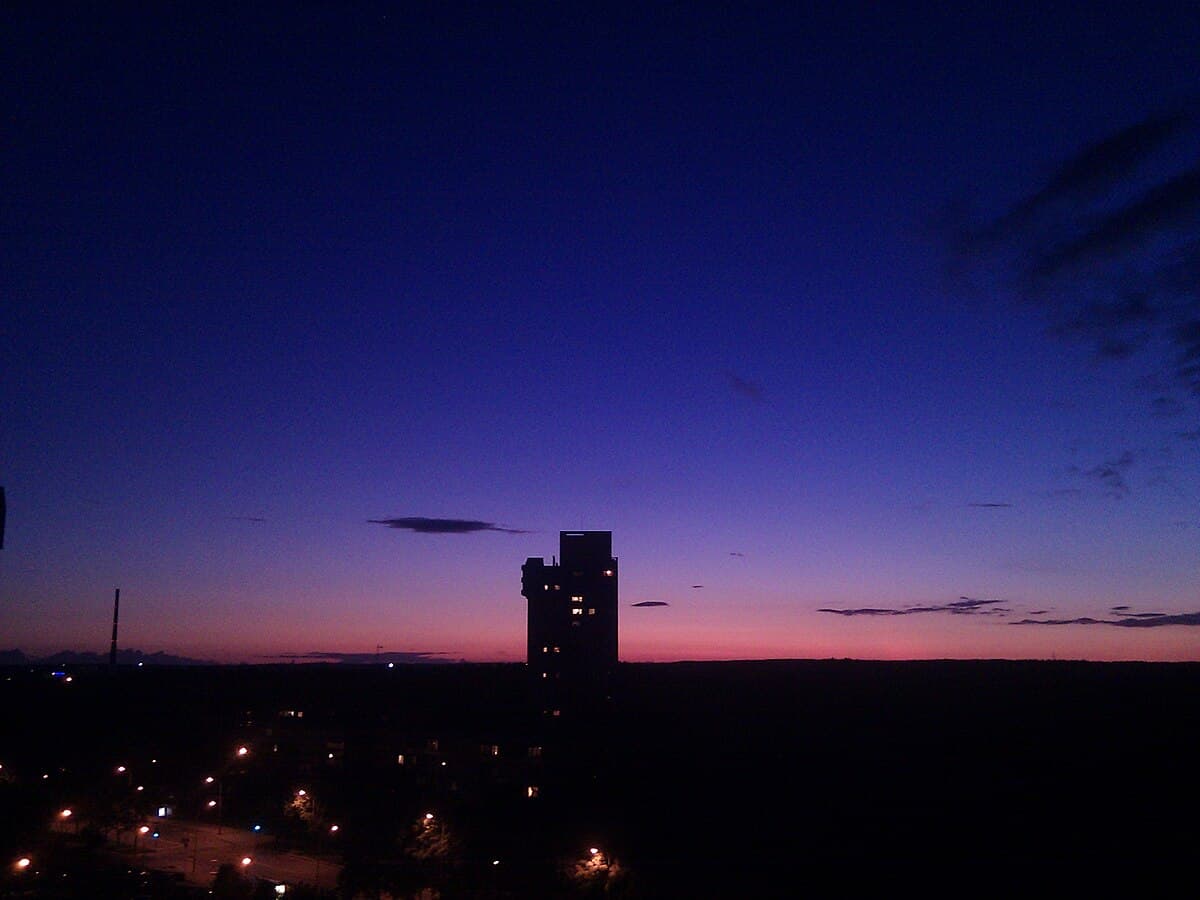
The eerie ruins of a Soviet-era military radar installation in western Lithuania — massive concrete structures and rusted equipment slowly being reclaimed by nature.
Browse all 205 hidden gems across Lithuania. Filter by category, region, or difficulty.
Showing 205 of 205 locations

The eerie ruins of a Soviet-era military radar installation in western Lithuania — massive concrete structures and rusted equipment slowly being reclaimed by nature.

A striking brutalist concert venue from the Soviet era, abandoned and slowly being reclaimed by nature — a haunting example of Soviet architectural ambition in a planned district.

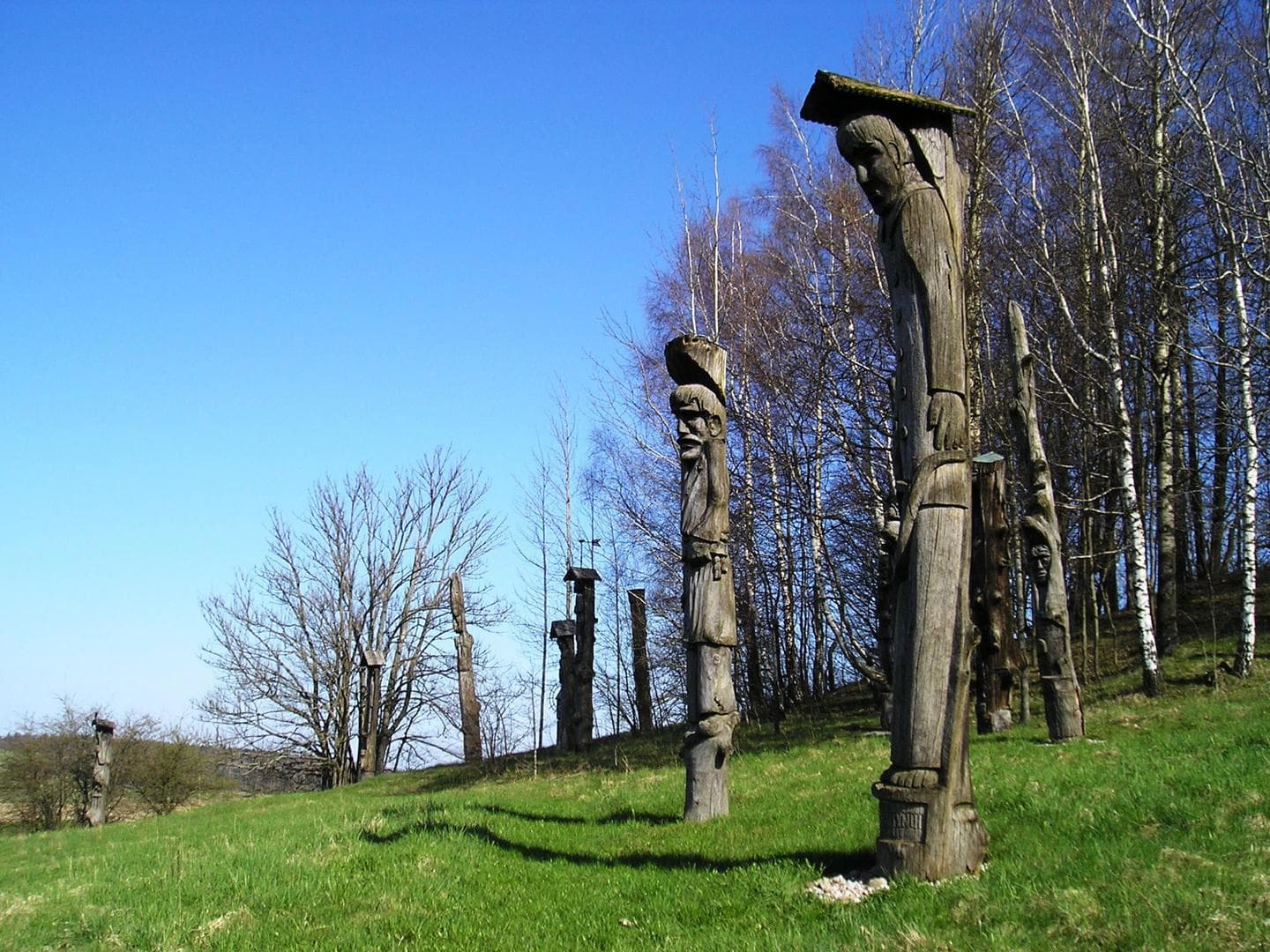
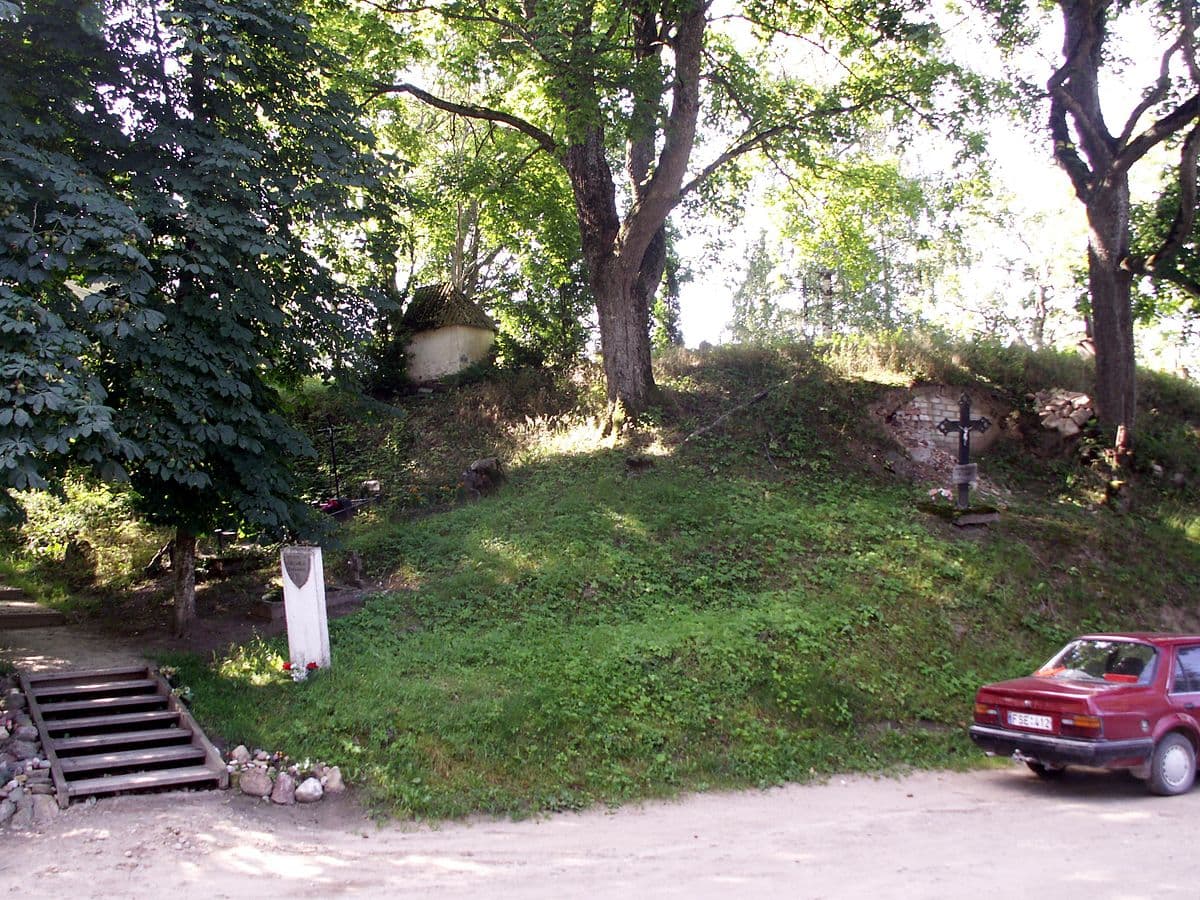
A haunting memorial site in western Lithuania where the entire male population of Ablinga village was massacred by Nazi forces in 1941 — marked by wooden sculptures and a solemn remembrance mound.

The overgrown remains of a World War I German fortress complex near Alytus — massive concrete bunkers and trenches slowly being consumed by forest.
Housed in the stunning Tiškevičiai Palace surrounded by Lithuania's largest botanical garden, this museum showcases over 28,000 pieces of amber including insects trapped for millions of years.

A floating wooden walkway extending over Lake Antalieptė — a serene path over the water that offers unique perspectives of the lake district landscape.
The former home and studio of Lithuanian sculptor Antanas Mončys, now a museum displaying his abstract wooden sculptures and personal art collection in a charming Palanga setting.
Lithuania's famous treetop walkway — a 300-meter elevated path through the forest canopy culminating in a 34-meter observation tower shaped like a DNA helix.
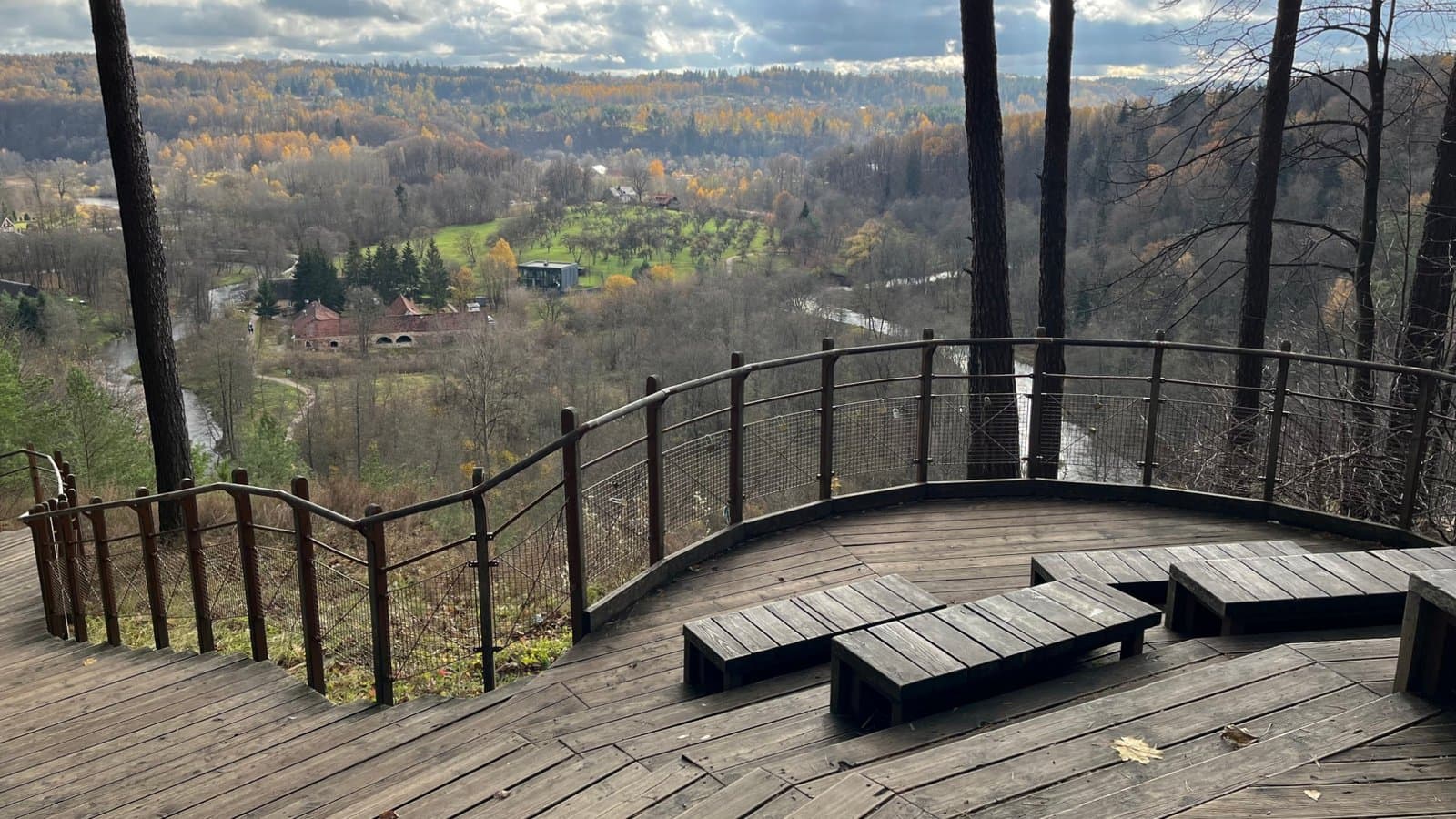
A stunning elevated walkway that rises through the forest canopy to a 34-meter observation tower, offering a bird's-eye view over the Šventoji River valley and Anykščiai pine forests.
A striking large-scale mural of a floating astronaut on the side of a Soviet apartment block in Kaunas, symbolizing the city's artistic transformation and dreams of exploration.
Lithuania's oldest national park, protecting ancient pine and oak forests, crystal-clear lakes, and traditional villages where beekeeping and folk traditions are preserved.

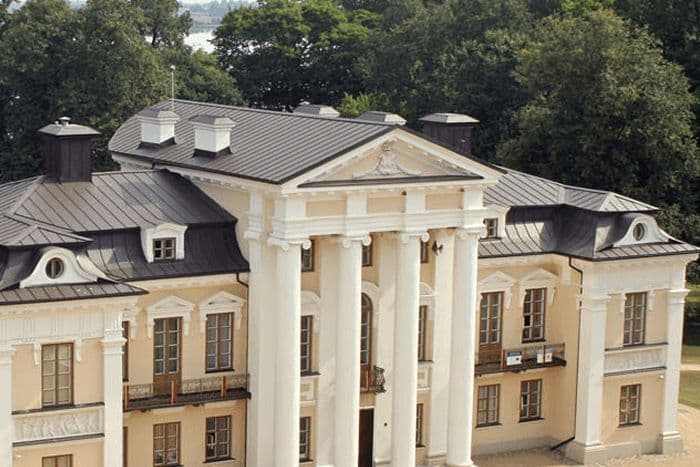
A once-grand neoclassical manor house in central Lithuania — partially restored but still atmospheric, surrounded by a beautiful park with ancient trees and a lake.
A charming small waterfall on the Baltasis Vokas stream near Vilnius — one of the few waterfalls in the Lithuanian capital, hidden in a lush ravine.

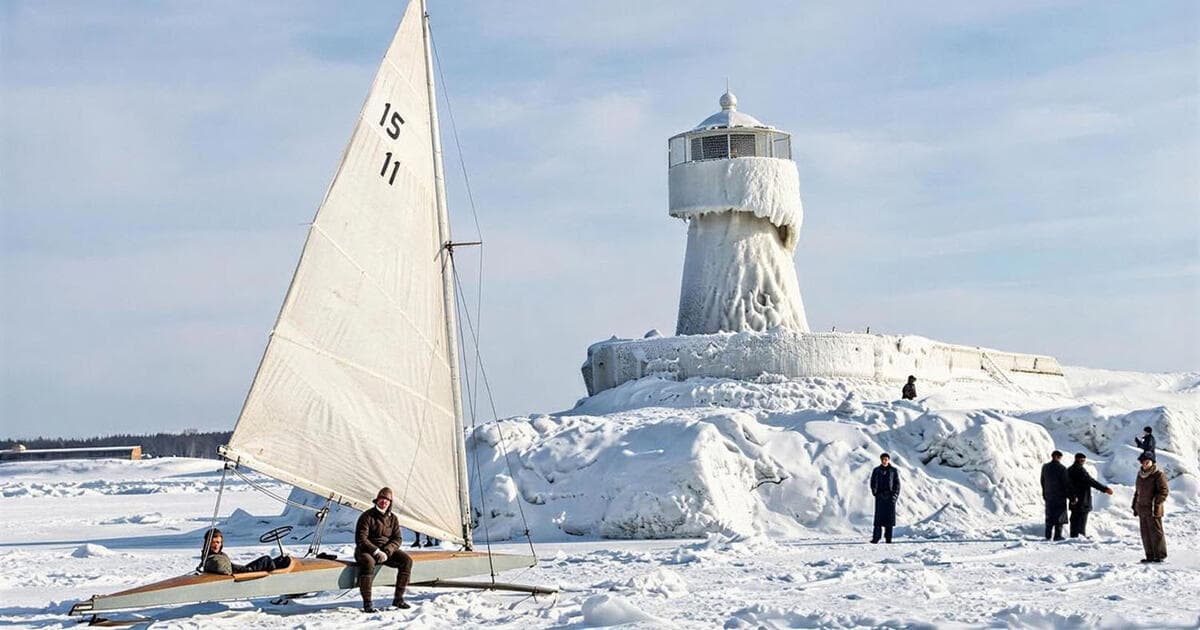
Natural ice formations along Lithuania's Baltic coast in winter — when freezing spray and waves create fantastical ice sculptures on piers, groins, and coastal structures.

A dramatic hilltop viewpoint where the Nemunas and Neris rivers meet, offering one of the finest panoramas in Lithuania — where two great rivers become one.

A tiny wooden chapel perched on an island in Lake Beržoras — accessible only by a narrow footbridge, creating one of Lithuania's most serene and photogenic sacred sites.
A quirky museum in Šiauliai showcasing the history of cycling through a collection of vintage bicycles, cycling memorabilia, and interactive exhibits spanning two centuries.
A quirky museum in Šiauliai dedicated entirely to the history of bicycles — from 19th-century penny-farthings to Soviet-era models and modern racing bikes.

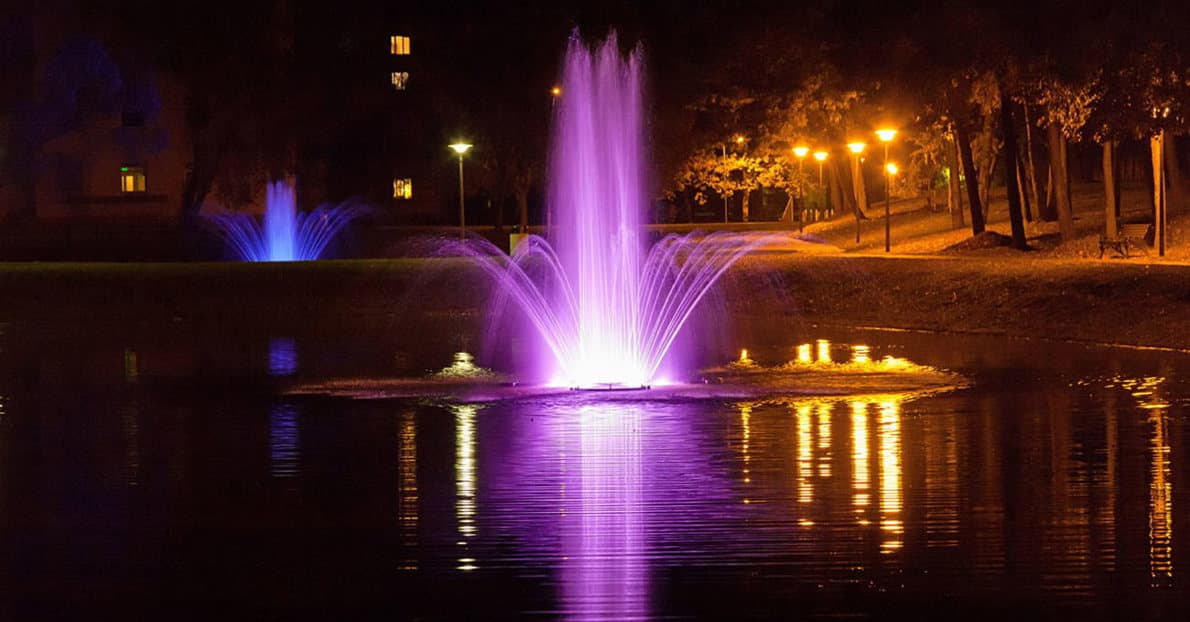
A musical fountain in the elegant spa town of Birštonas — where water, light, and music combine for evening performances against the backdrop of the Nemunas River valley.

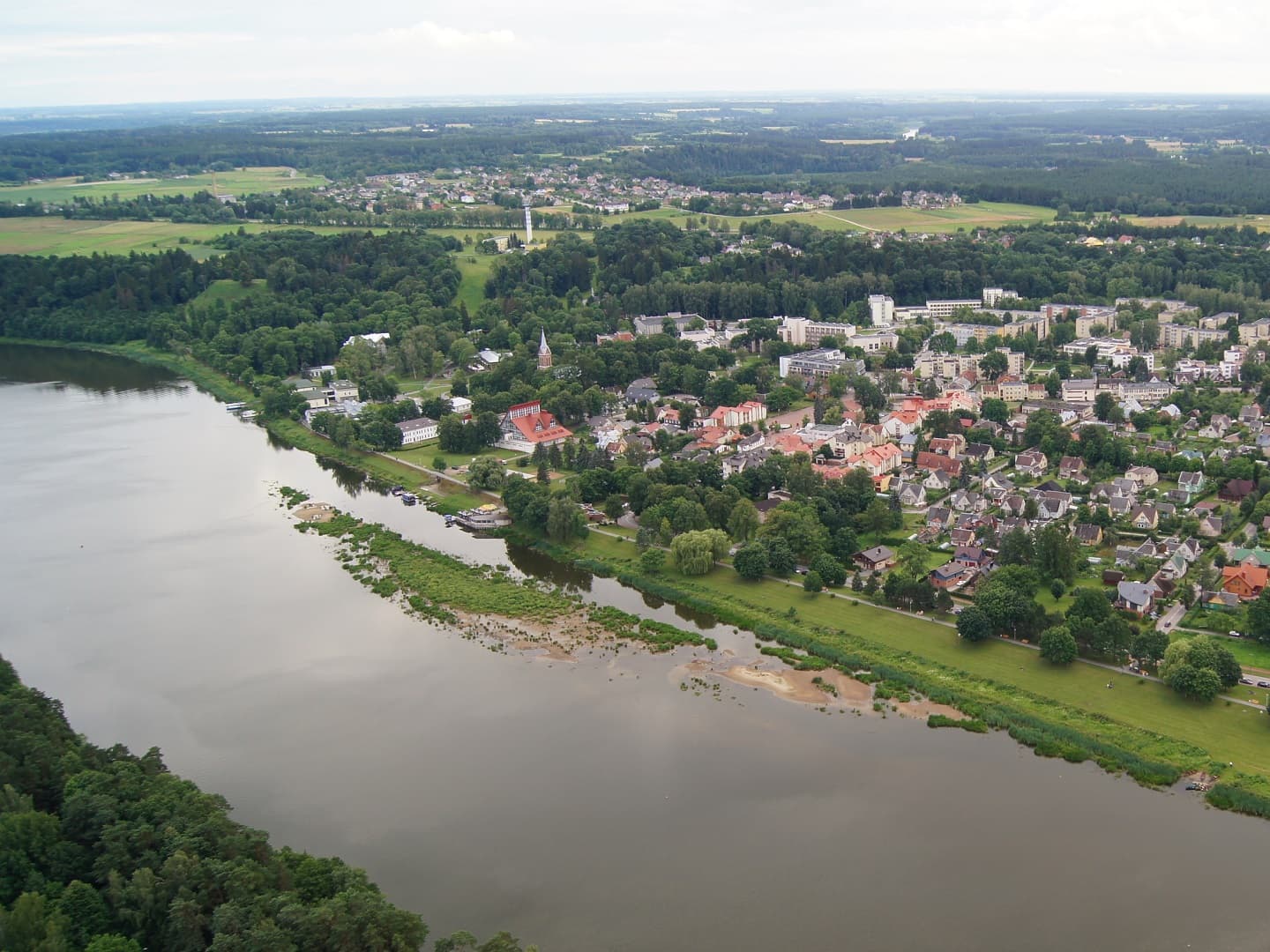
A modern observation tower in the spa town of Birštonas offering panoramic views over the dramatic Nemunas River loops — one of Lithuania's most distinctive natural features.

A sacred hill in Palanga's botanical park where the legendary pagan priestess Birutė once tended the eternal flame — now a peaceful hilltop with a chapel and views over the Baltic.

A reconstructed Renaissance castle surrounded by one of Lithuania's most unusual geological landscapes — a region riddled with sinkholes, karst caves, and mysterious underground rivers.

A Renaissance-era castle beside a lake that formed in a geological sinkhole — in a region riddled with underground karst caves and sudden land collapses.

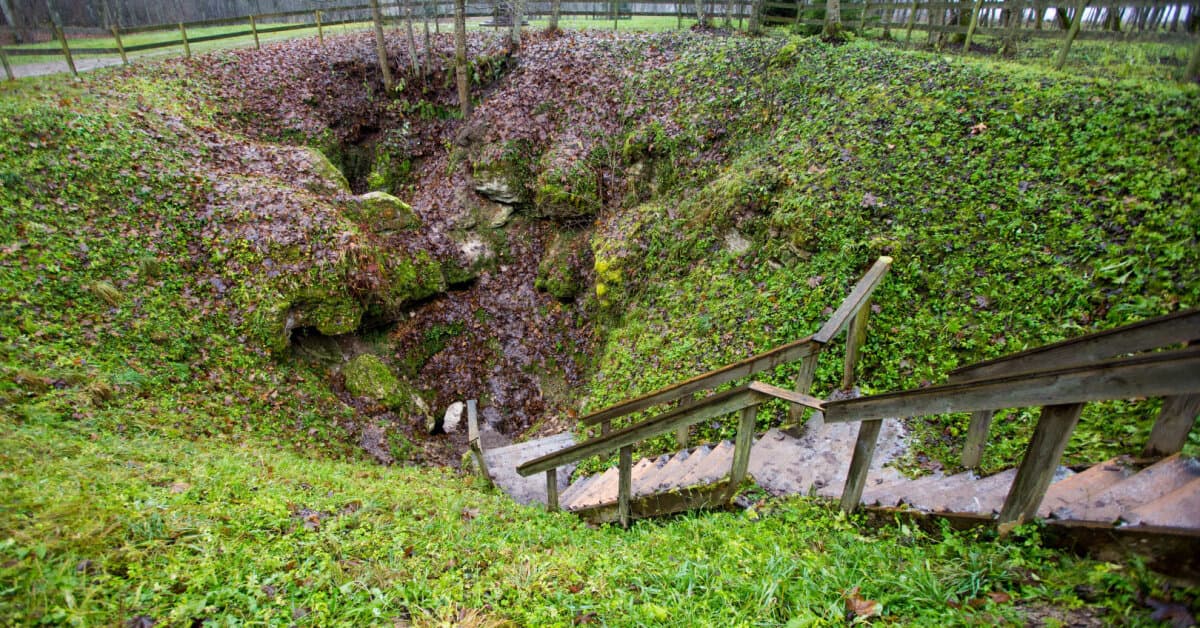
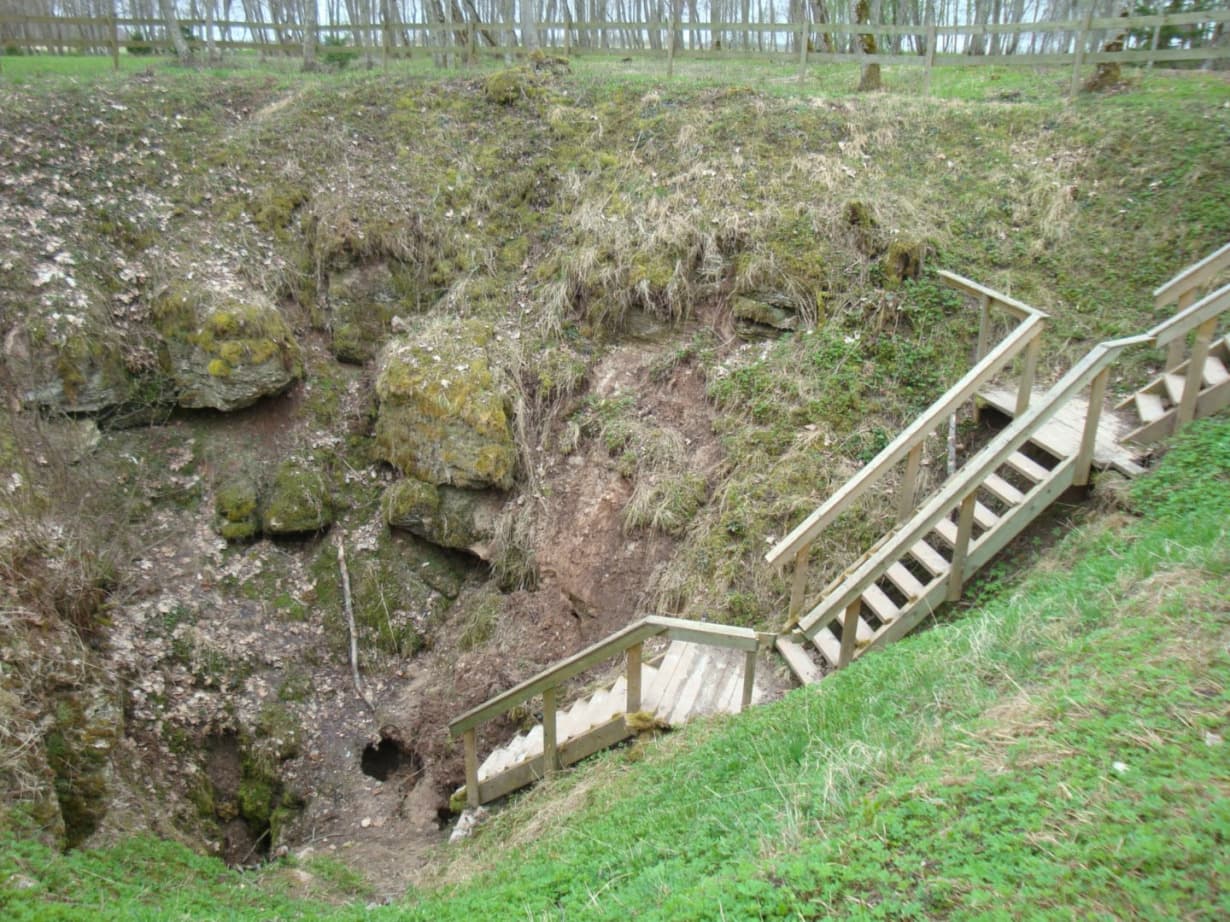
Lithuania's most dramatic karst landscape — over 9,000 sinkholes, underground rivers, and dissolving bedrock that occasionally swallows roads and fields without warning.

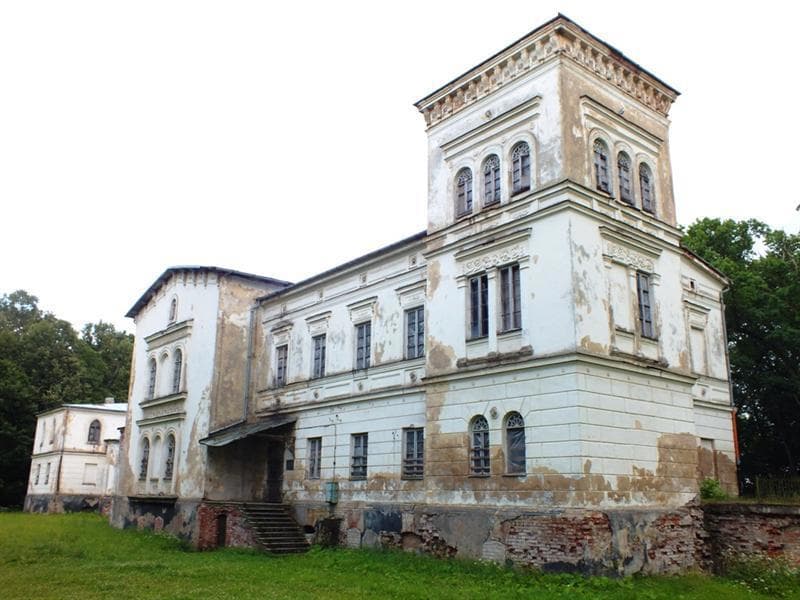
Atmospheric ruins of a manor house in the Samogitian countryside — crumbling walls surrounded by an ancient park create one of Lithuania's most romantic abandoned estates.
A delightful small museum in Šiauliai dedicated entirely to cats — featuring thousands of cat-themed artworks, figurines, and memorabilia from around the world.

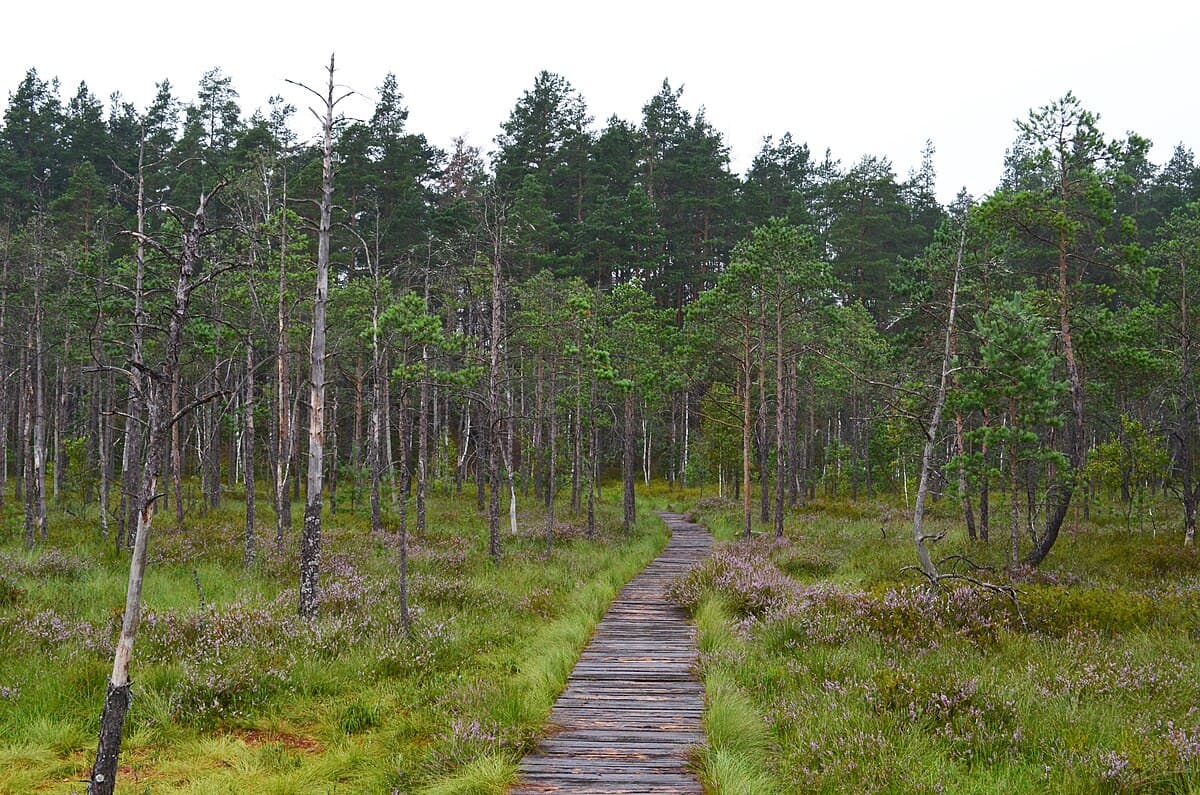
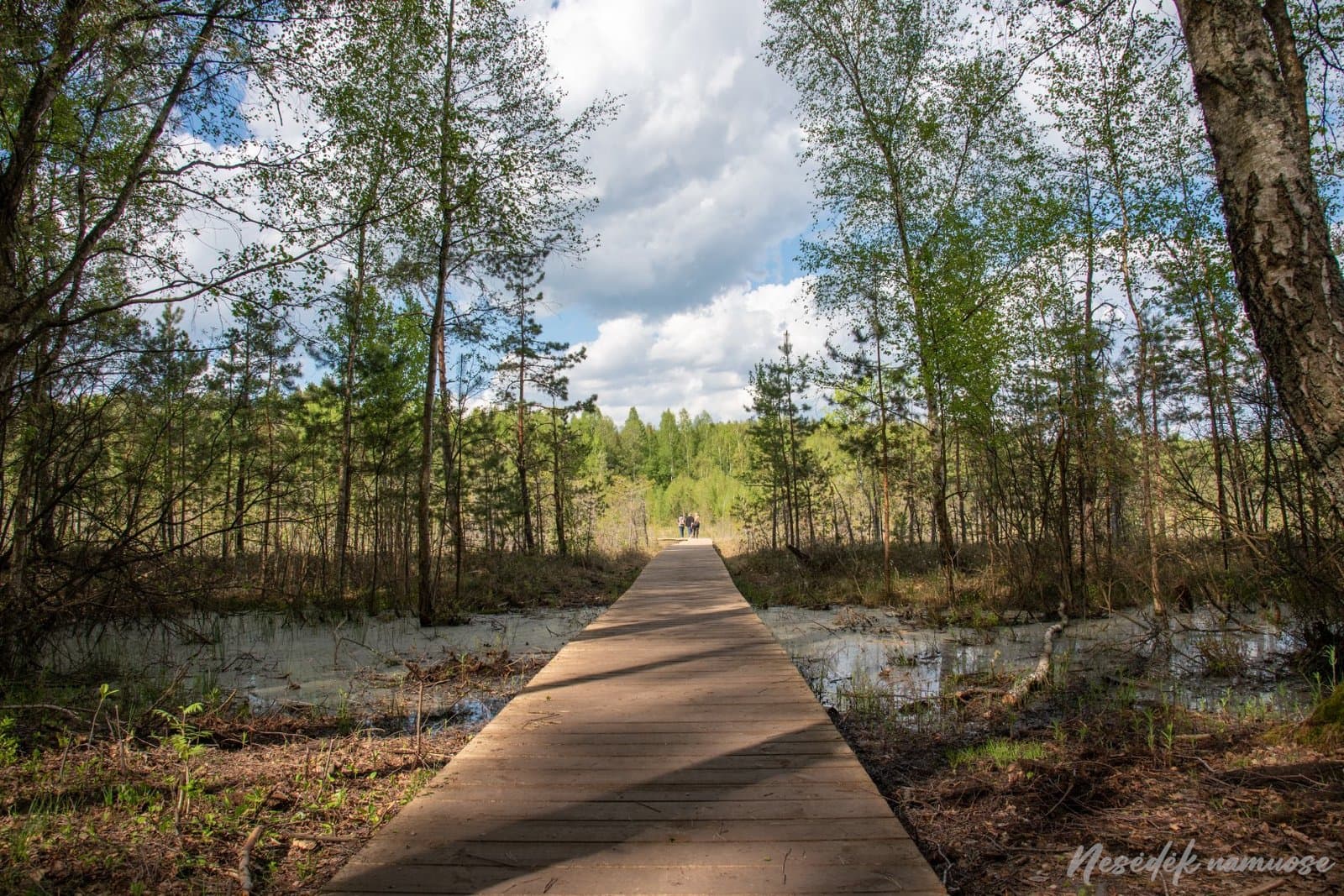
Lithuania's largest raised bog — a vast, ancient, and eerily beautiful wilderness of sphagnum moss, carnivorous plants, and rare wildlife near the Belarusian border.

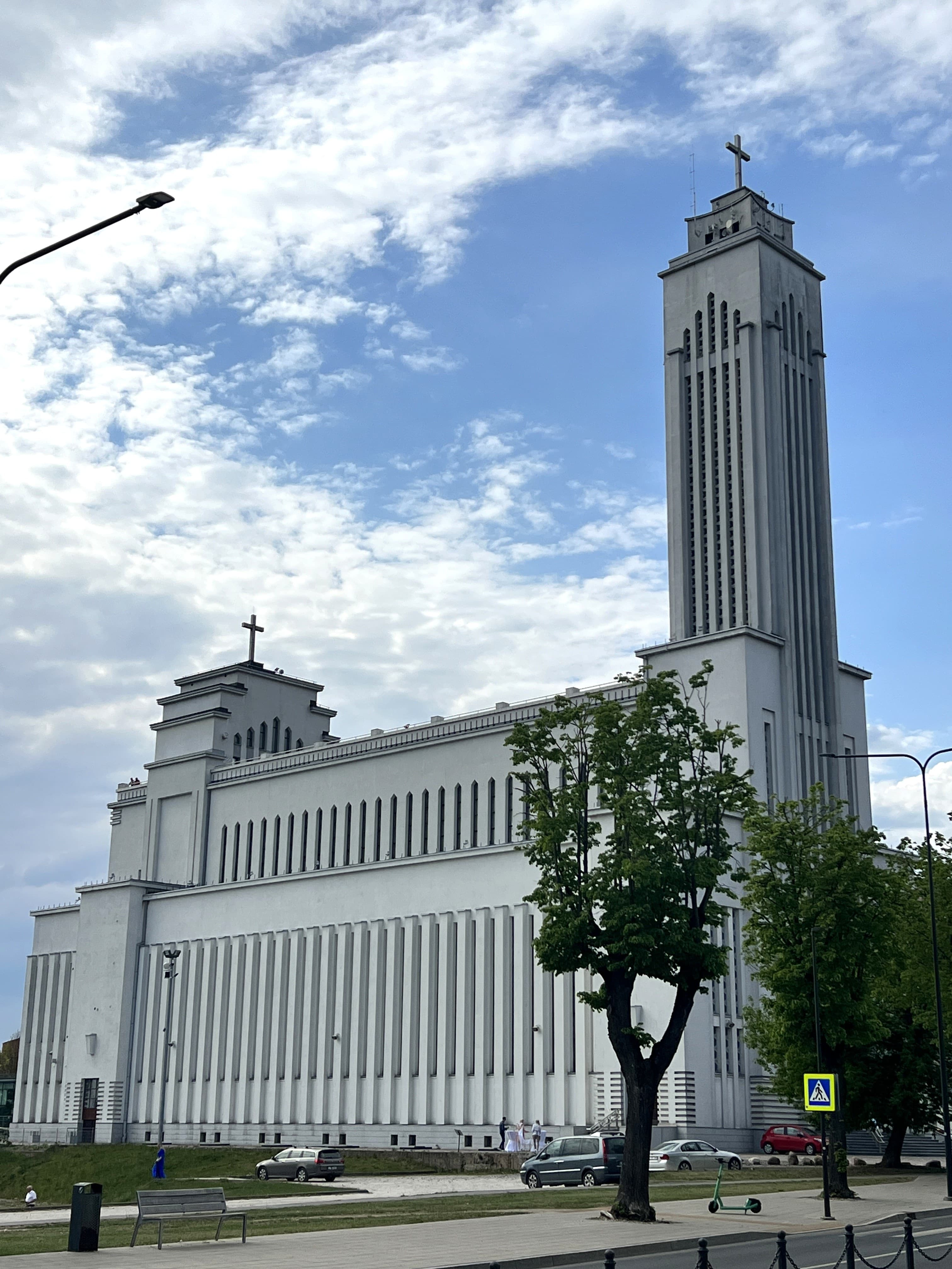
A monumental Art Deco church in Kaunas whose construction spans nearly a century — begun in 1934, used as a radio factory under the Soviets, and finally consecrated in 2004 with a rooftop terrace offering stunning city views.

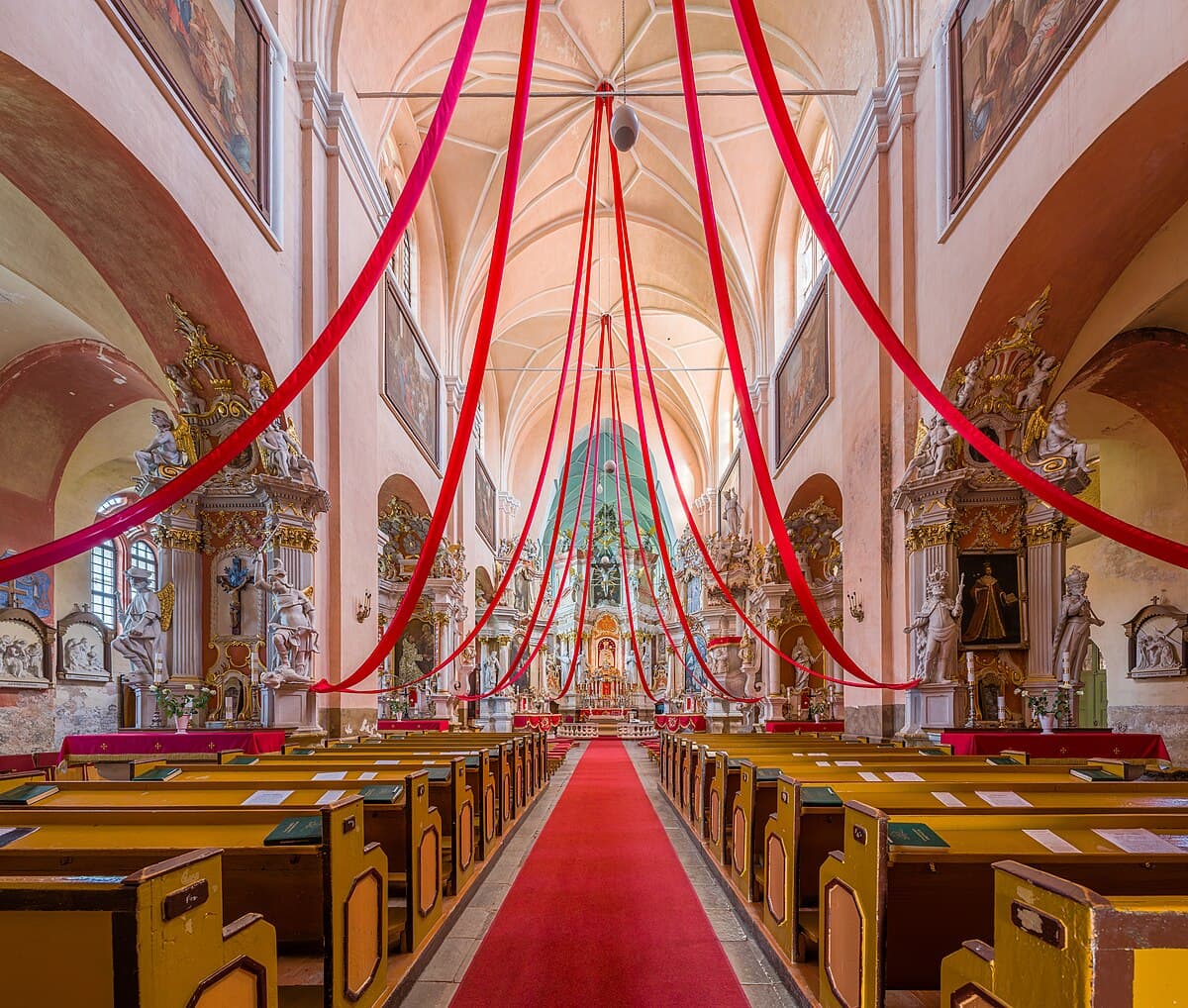
A masterpiece of European Baroque containing over 2,000 stucco figures — saints, angels, battle scenes, and mythological creatures covering every surface of this 17th-century church.
A former secret Soviet nuclear missile base hidden in the Žemaitija forests — now a museum where visitors descend into underground silos that once housed nuclear warheads aimed at Western Europe.

Unique decorative weathervanes from Curonian Spit fishing villages — each one identified the owner's village and served as a personal emblem on the open sea.
The dramatic shifting sand dunes of the Curonian Spit — a UNESCO World Heritage Site where massive dunes have buried entire villages and continue to reshape the landscape.

The distinctive blue-and-brown wooden fishermen's houses of the Curonian Spit — a unique vernacular architecture shaped by wind, sand, and Baltic fishing traditions.

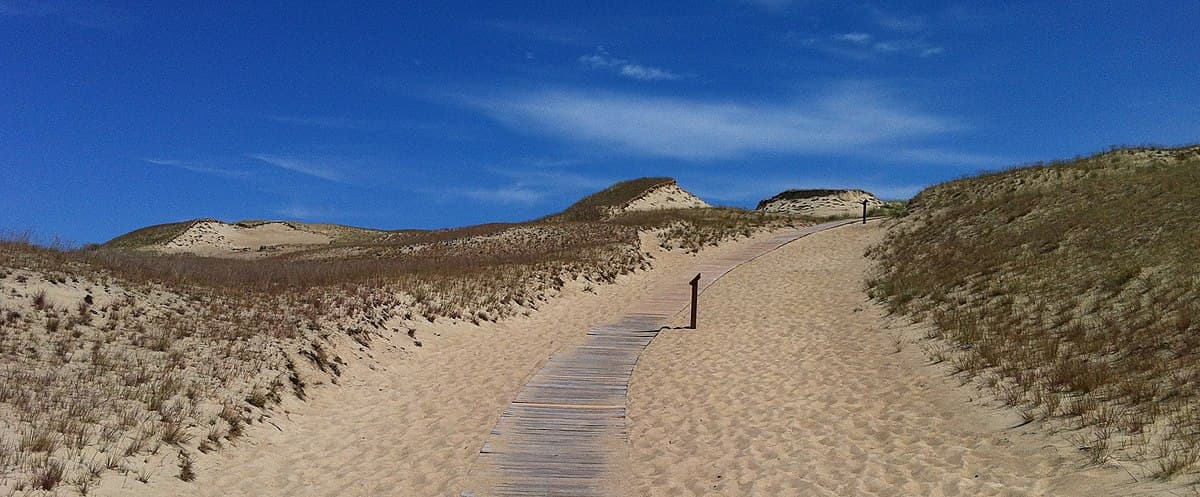
A boardwalk trail through the 'Grey Dunes' of the Curonian Spit — a haunting landscape of buried forests and shifting sand that swallowed entire villages centuries ago.

A mysterious stone pyramid built by a local landowner in the 19th century — standing in a field in rural northeastern Lithuania with no clear explanation for its existence.

The world's only museum dedicated entirely to depictions of the devil — with over 3,000 devil figurines, masks, and artworks from around the globe.
The world's only museum dedicated entirely to depictions of the devil — housing over 3,000 devil figurines, paintings, and sculptures from around the world.

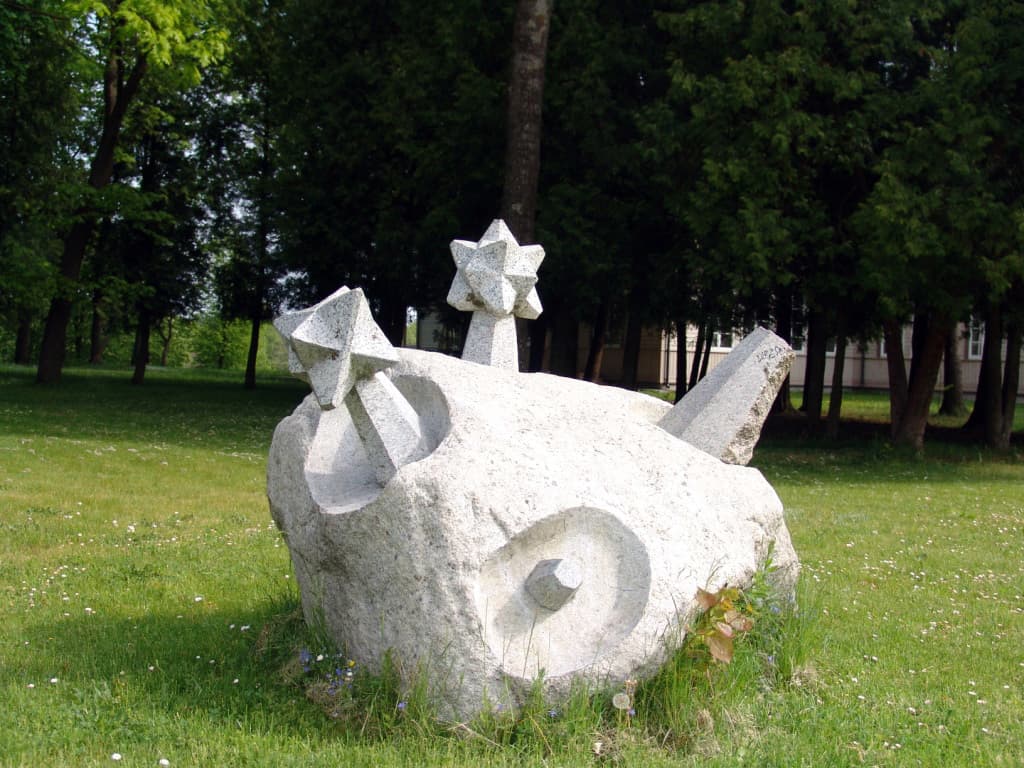
Sculptures by world-famous Cubist sculptor Jacques Lipchitz in his hometown of Druskininkai — a connection between this Lithuanian spa town and the Paris avant-garde.

Historic mineral springs in Lithuania's premier spa town, where naturally mineralized waters have been used for healing since the 18th century — freely accessible in a beautiful park setting.

An indoor ski slope in a Lithuanian spa town — a striking modern building that allows year-round skiing and snowboarding in a country with no mountains.

An island fortress site in Lake Asveja — Lithuania's longest lake — where powerful medieval nobles built a castle and the ruins still rise from the water.

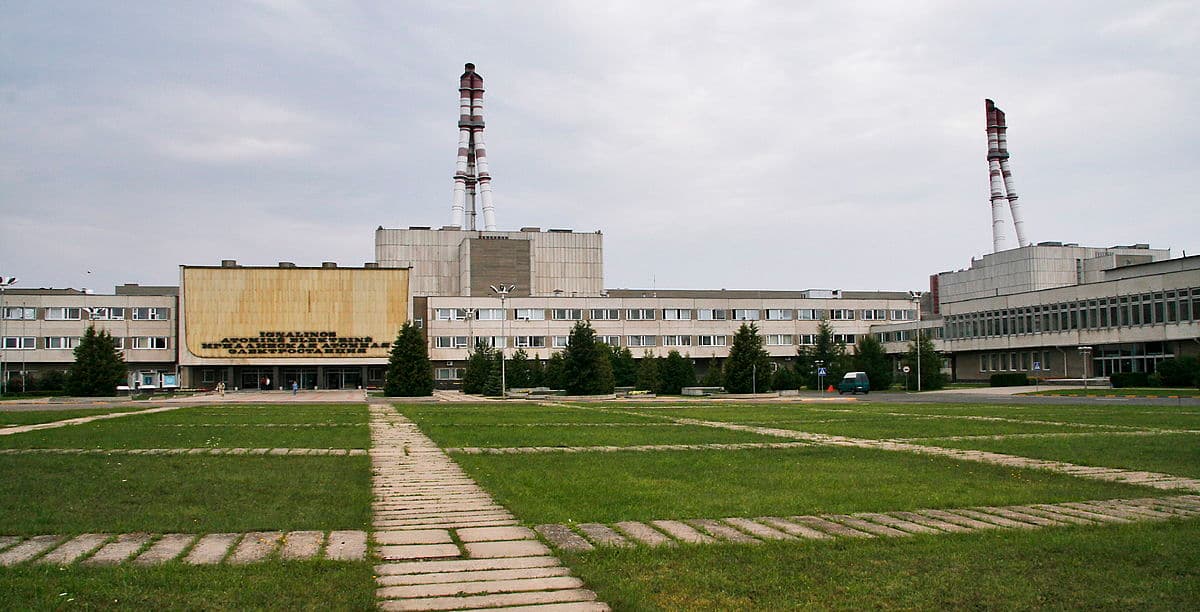
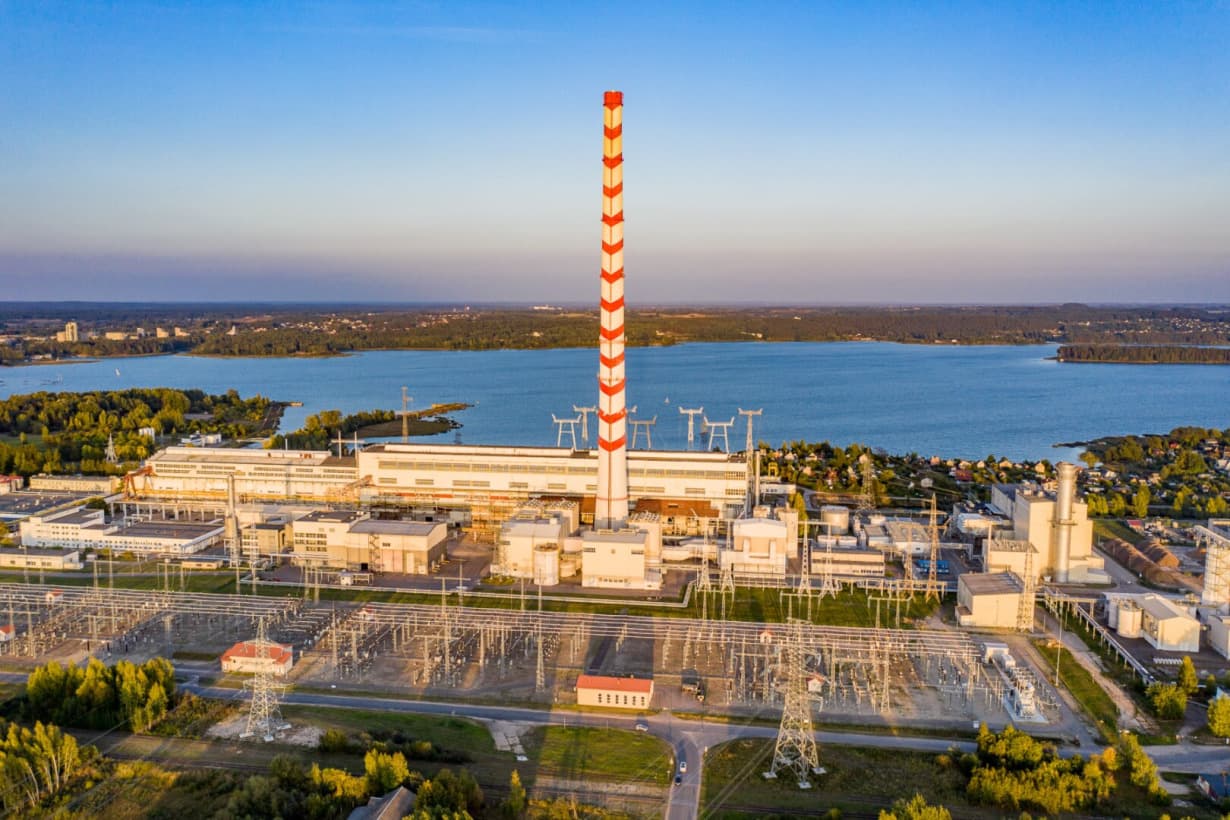
The massive cooling towers of Lithuania's Soviet-era thermal power plant — industrial behemoths visible for miles across the otherwise flat Lithuanian landscape.

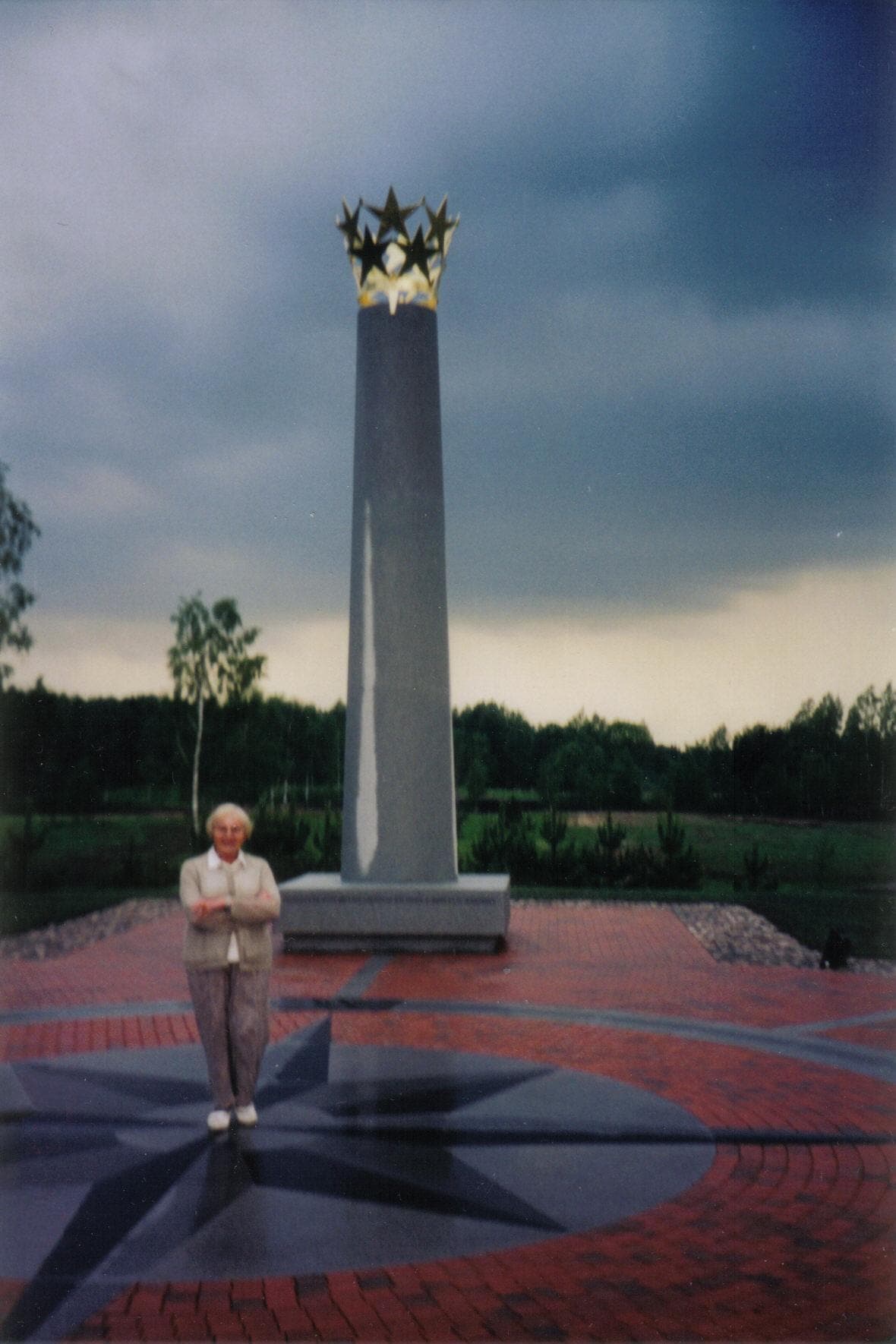
An open-air sculpture park at the geographical center of Europe — featuring works by artists from around the world in a forest setting that marks Europe's continental midpoint.

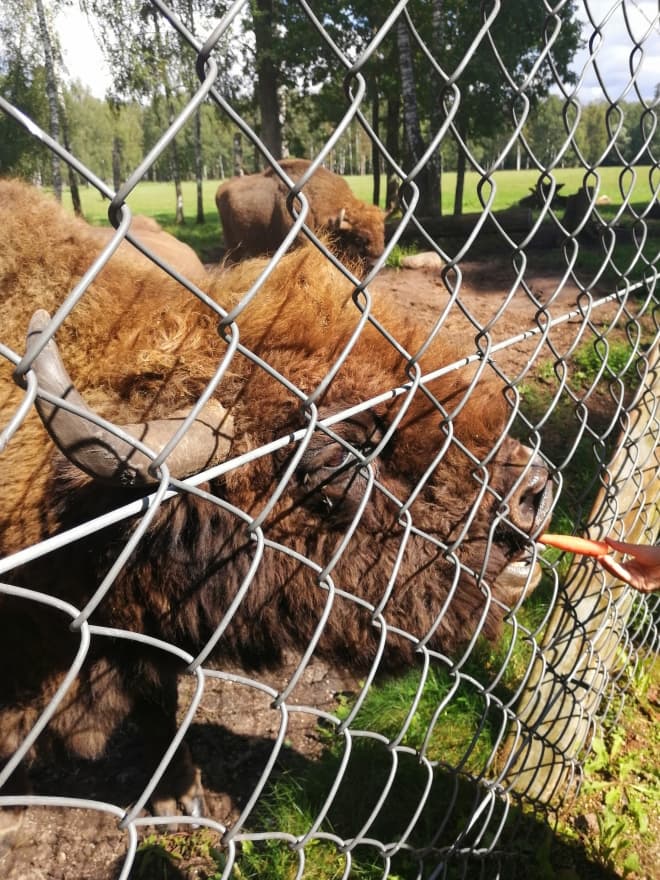
A breeding reserve for European bison (wisent) near Panevėžys — one of the few places in Lithuania where you can see these magnificent animals, Europe's largest land mammal.

A vast open-air art museum near Vilnius featuring over 100 monumental sculptures by artists from around the world, set in 55 hectares of forest and meadow near the Geographical Center of Europe.

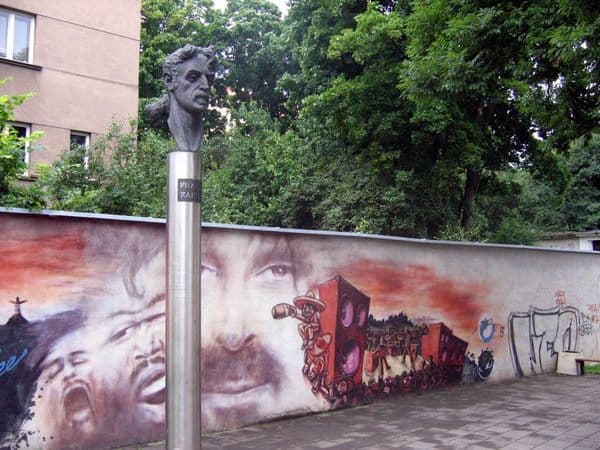
The world's first official monument to American musician Frank Zappa, erected in Vilnius in 1995 — despite Zappa having no connection to Lithuania whatsoever.

The world's first public monument to Frank Zappa — erected in Vilnius in 1995 as a symbol of freedom and artistic rebellion in the newly independent Lithuania.
The iconic tower crowning Vilnius's Upper Castle — the symbolic heart of Lithuania and the spot where the founding legend of Vilnius begins.
The iconic red-brick tower atop Gediminas Hill offers sweeping views across Vilnius Old Town, the Neris River, and the modern skyline — the symbolic heart of Lithuania.

The official geographical center of Europe, as calculated by the French National Geographic Institute — marked by a monument and sculpture park 26 km north of Vilnius.
A massive wooden chair standing several meters tall in the town of Plungė, one of Lithuania's many quirky oversized roadside sculptures that defy easy explanation.

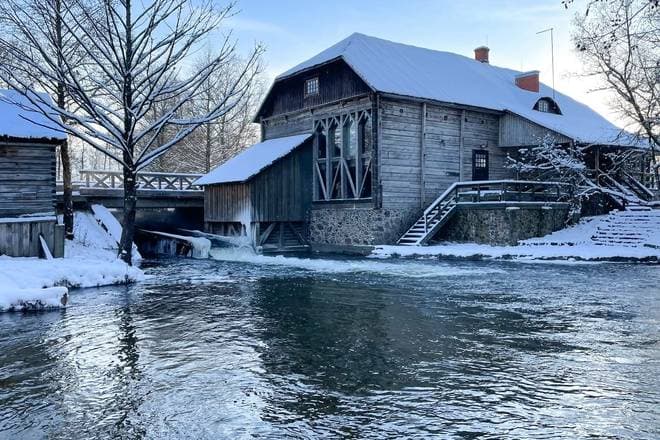
A beautifully restored 19th-century watermill in Aukštaitija National Park — the last working watermill in Lithuania, still grinding flour with water power.
The atmospheric ruins of a once-grand manor house surrounded by an overgrown park, slowly being reclaimed by nature — a hauntingly beautiful example of Lithuania's abandoned aristocratic heritage.

A pristine lakeland wilderness in Lithuania's far northeast — dozens of crystal-clear lakes connected by streams, surrounded by ancient forests and barely touched by tourism.
A surreal open-air museum of Soviet-era statues rescued from public squares across Lithuania after independence — often called 'Stalin World' by locals.
A surreal Soviet sculpture park near Druskininkai — where toppled statues of Lenin, Stalin, and other communist icons have been reassembled in a forest gulag-themed setting.
An extraordinary pilgrimage site where hundreds of thousands of crosses, crucifixes, and rosaries have been placed on a small hill, creating one of the world's most powerful spiritual landscapes.
An enchanting trail through the pine forests of Juodkrantė on the Curonian Spit, lined with over 80 fantastical wooden sculptures of witches, devils, and characters from Lithuanian folklore.

The visitor center at Lithuania's decommissioned Soviet-era nuclear power plant — twin of Chernobyl, now being safely dismantled, with educational exhibits about nuclear energy.

A neoclassical manor in Lithuania's Polish-speaking borderlands, designed by the architect of Vilnius Cathedral — a hidden gem of aristocratic architecture in a multicultural region.

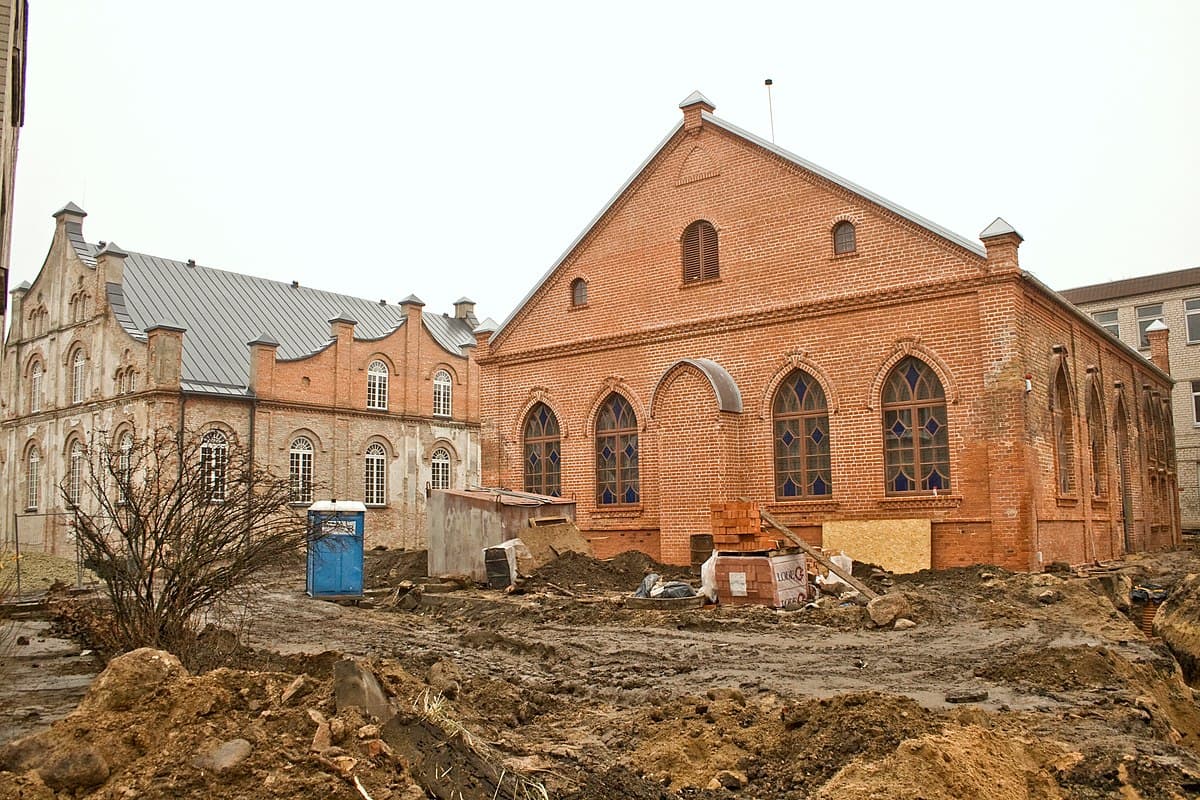
The striking red-brick ruins of a 19th-century synagogue in northern Lithuania — a poignant reminder of the once-thriving Jewish community that was destroyed during the Holocaust.

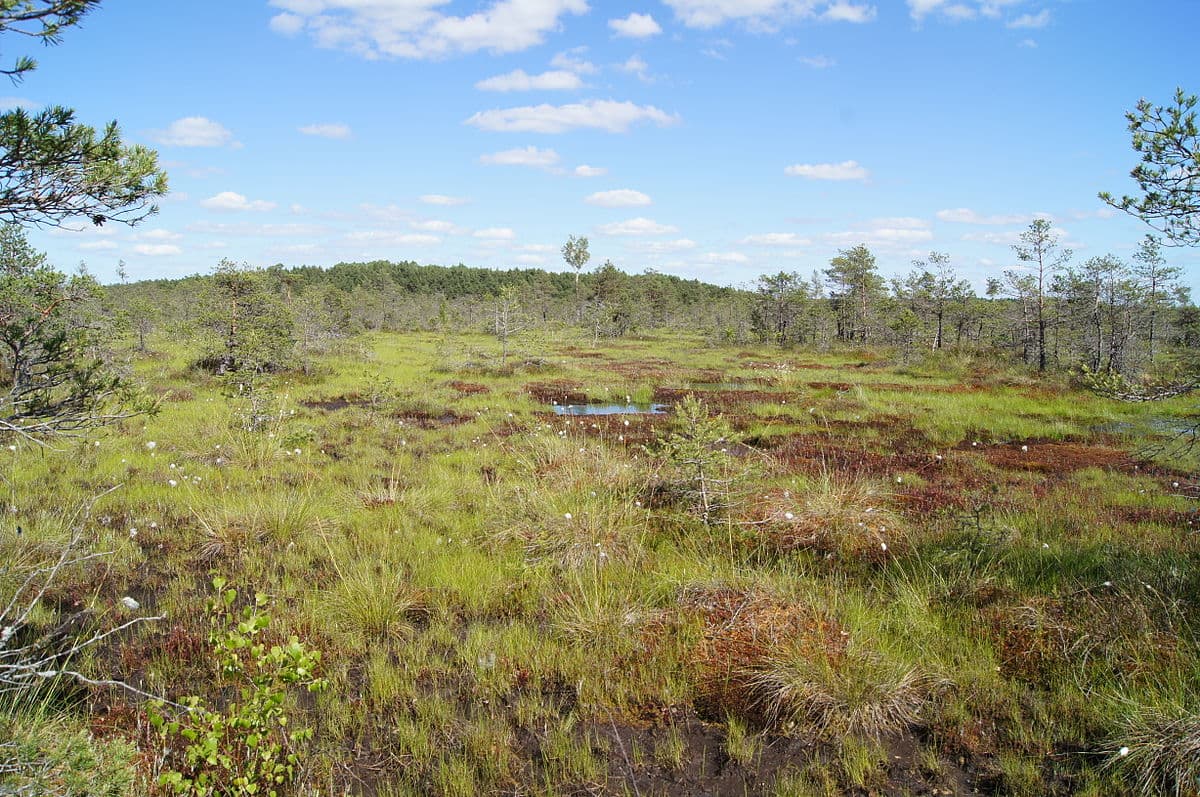
A vast raised bog in northern Lithuania, one of the best-preserved in the Baltics — a primeval landscape of sphagnum moss, dark pools, and rare wildlife near the Latvian border.

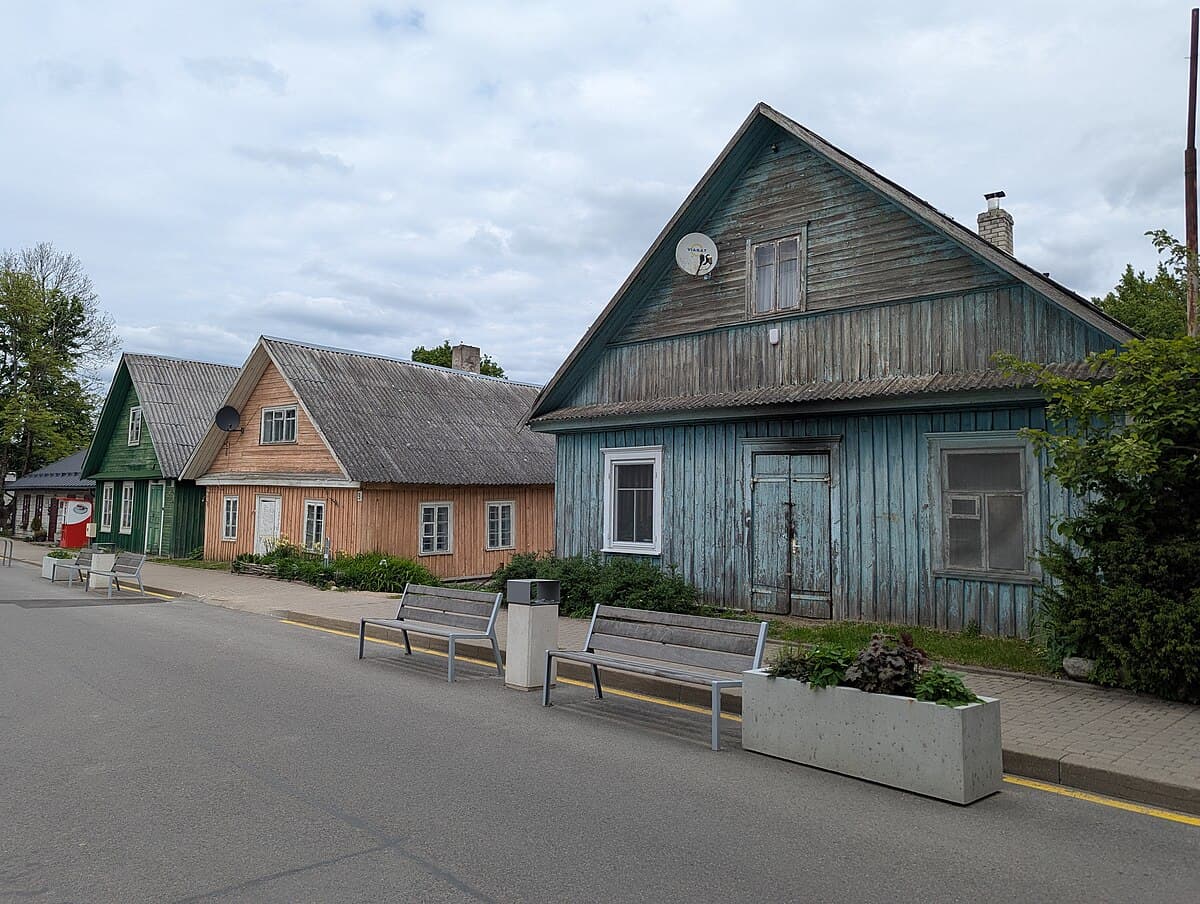
One of the last surviving Karaim communities in Europe — a Turkic people brought to Lithuania by Grand Duke Vytautas in the 14th century, maintaining their unique language, religion, and cuisine.

A proposal and concept for a cable car spanning the Nemunas valley at Kaunas — representing one of the most ambitious viewpoint projects in Lithuania's future.

A magnificent Art Deco masterpiece from 1931 — one of the finest examples of interwar modernist architecture in the Baltic states, still functioning as a working post office.
A vast network of 19th-century military tunnels beneath the Kaunas Fortress — one of the largest defensive structures in Eastern Europe, now open for atmospheric underground tours.

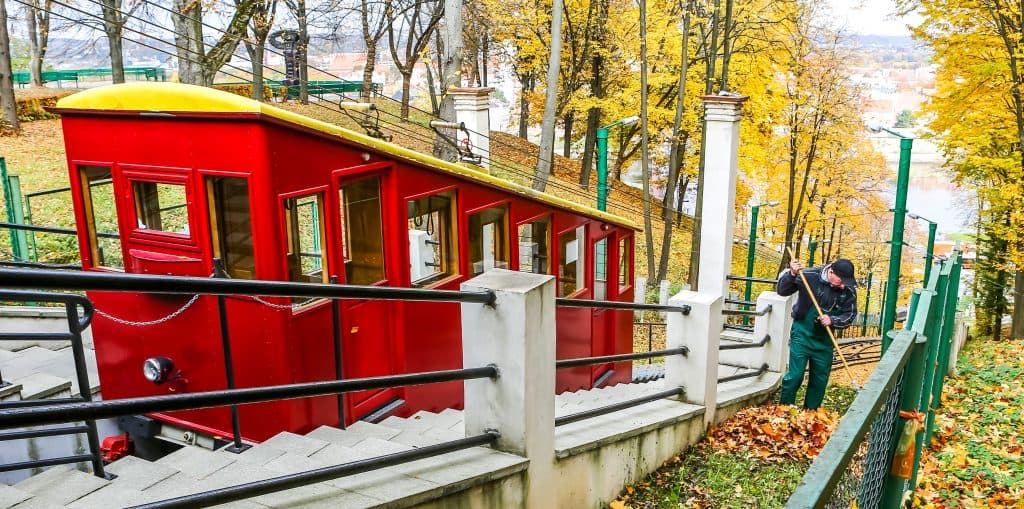
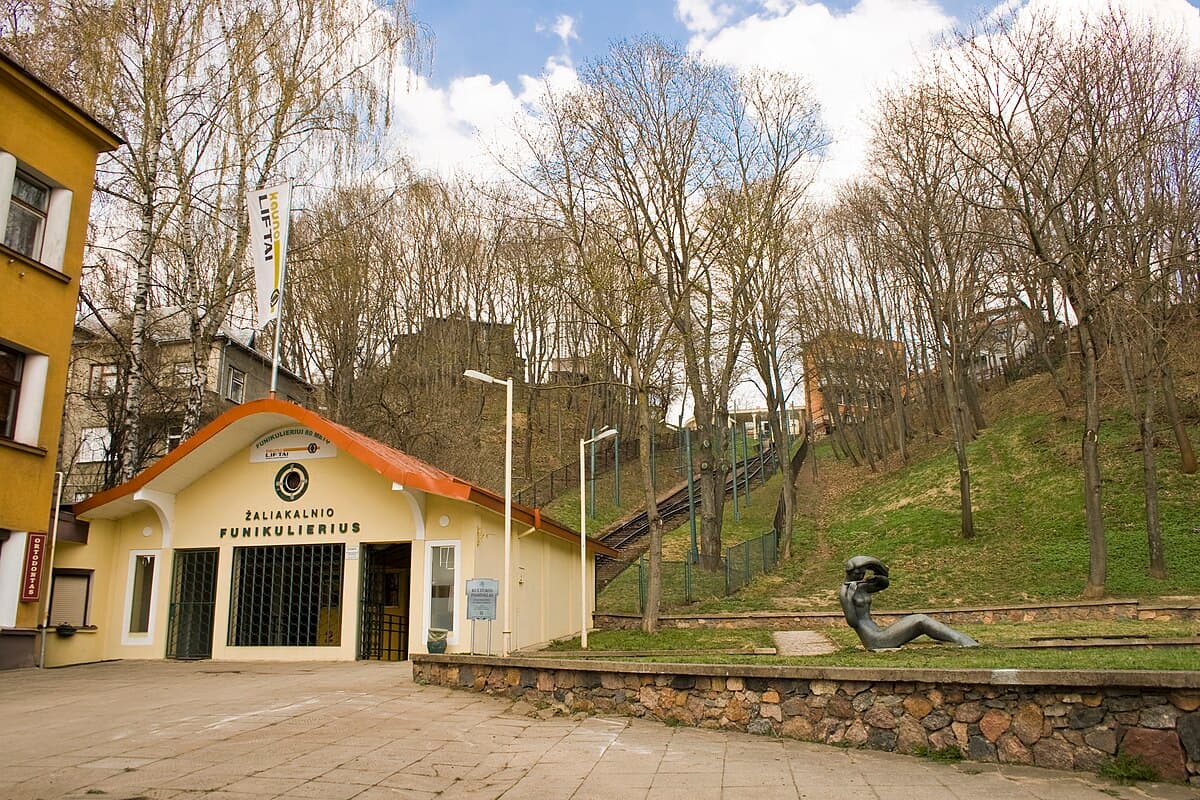
Two surviving early 20th-century funicular railways in Kaunas — charming engineering relics that still transport passengers up the steep hillsides of the city.

One of Europe's largest concentrations of interwar modernist architecture — over 6,000 buildings from Kaunas's era as Lithuania's temporary capital (1920-1940), earning UNESCO recognition.

The underground tunnel network connecting the massive Kaunas Fortress ring — miles of brick-lined passages built by the Russian Empire that have survived for over a century.

Over 6,000 interwar modernist buildings that earned Kaunas a UNESCO designation — a cityscape of Art Deco, Bauhaus, and functionalist architecture unique in Europe.

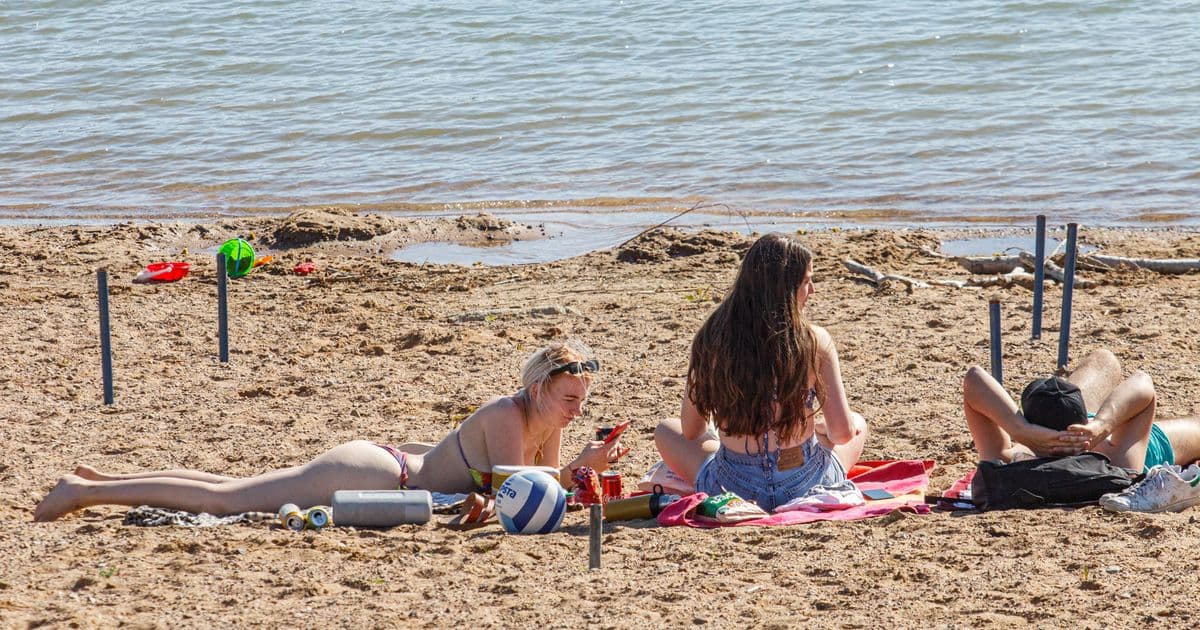
The shores of the vast Kaunas Reservoir (Kauno marios) hide sandy beaches, quiet coves, and swimming spots that rival the Baltic coast — Lithuania's inland sea.

Lithuania's largest artificial lake — created by damming the Nemunas River in the 1950s, now a vast inland sea with beaches, sailing, and surprising coastal atmosphere.

A growing collection of large-scale murals transforming Soviet apartment blocks into outdoor galleries — Kaunas's vibrant street art scene puts it among Europe's most exciting urban art destinations.

A network of centuries-old tunnels beneath Kaunas Old Town, once used for storage, defense, and mysterious purposes — now partially accessible for guided tours.

One of Lithuania's best-preserved Old Towns, where Lithuanian, Jewish, Scottish, and German heritage blend in a remarkable multicultural tapestry spanning five centuries.

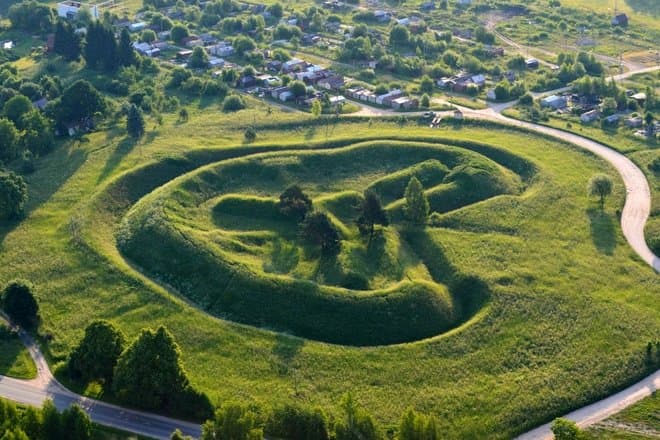
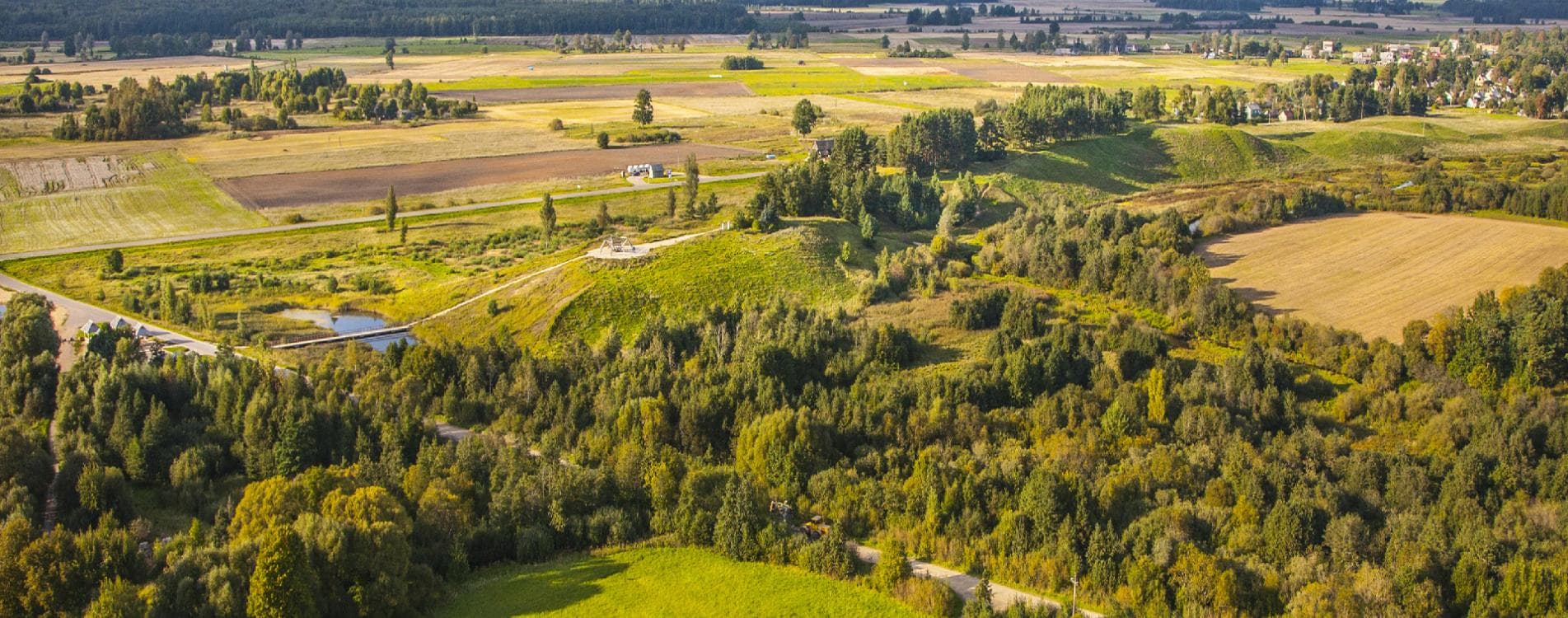
Lithuania's first known capital — a UNESCO World Heritage Site with five dramatic hillfort mounds and archaeological remains spanning 11,000 years of human habitation.

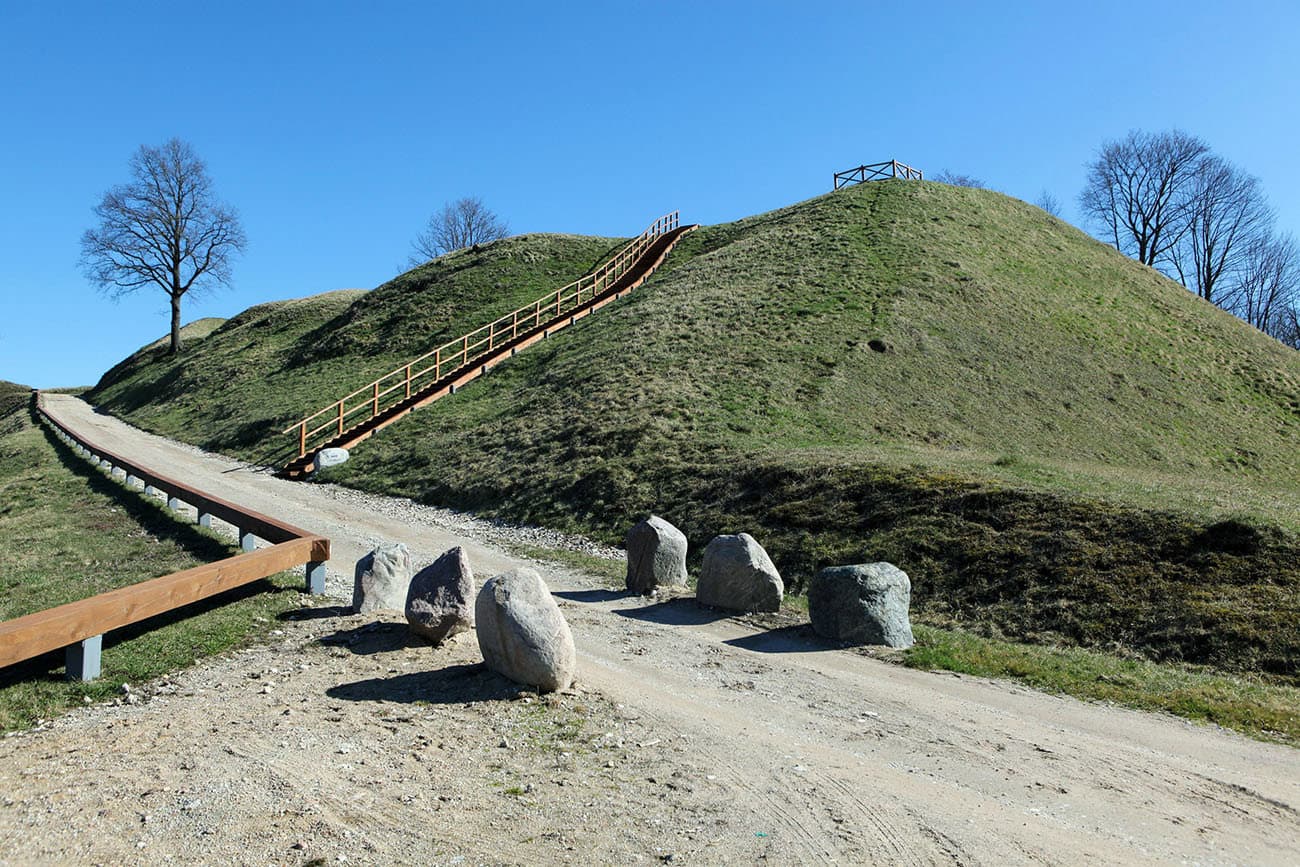
Five dramatic grass-covered hill forts at Lithuania's first capital — a UNESCO World Heritage Site offering sweeping views over the Neris River valley and insight into 10,000 years of human settlement.

A cluster of deep, crystal-clear lakes formed by collapsed karst caves — some of the most unusual and beautiful water features in Lithuania, with depths reaching 15 meters.

The only Prussian-German half-timbered (Fachwerk) Old Town in Lithuania — colorful timber-framed buildings from the 18th-19th century create a distinctly un-Lithuanian atmosphere.

A peaceful park in Klaipėda filled with dozens of granite and bronze sculptures — a legacy of Soviet-era sculpture symposiums that created an unexpected outdoor gallery.
A forest trail on the outskirts of Kaunas lined with large wooden sculptures carved by Lithuanian artists — merging nature and folk art in an accessible urban forest.

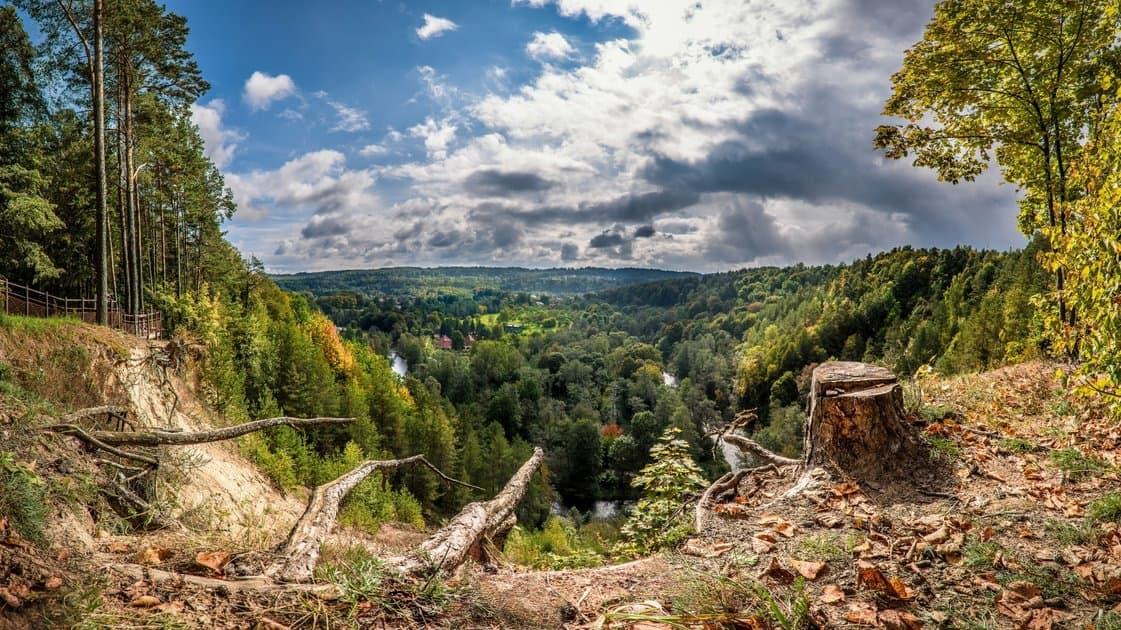
A viewpoint in central Lithuania's most scenic regional park, offering panoramic views over the Nevėžis River valley — a landscape of river bluffs, forests, and traditional farmsteads.

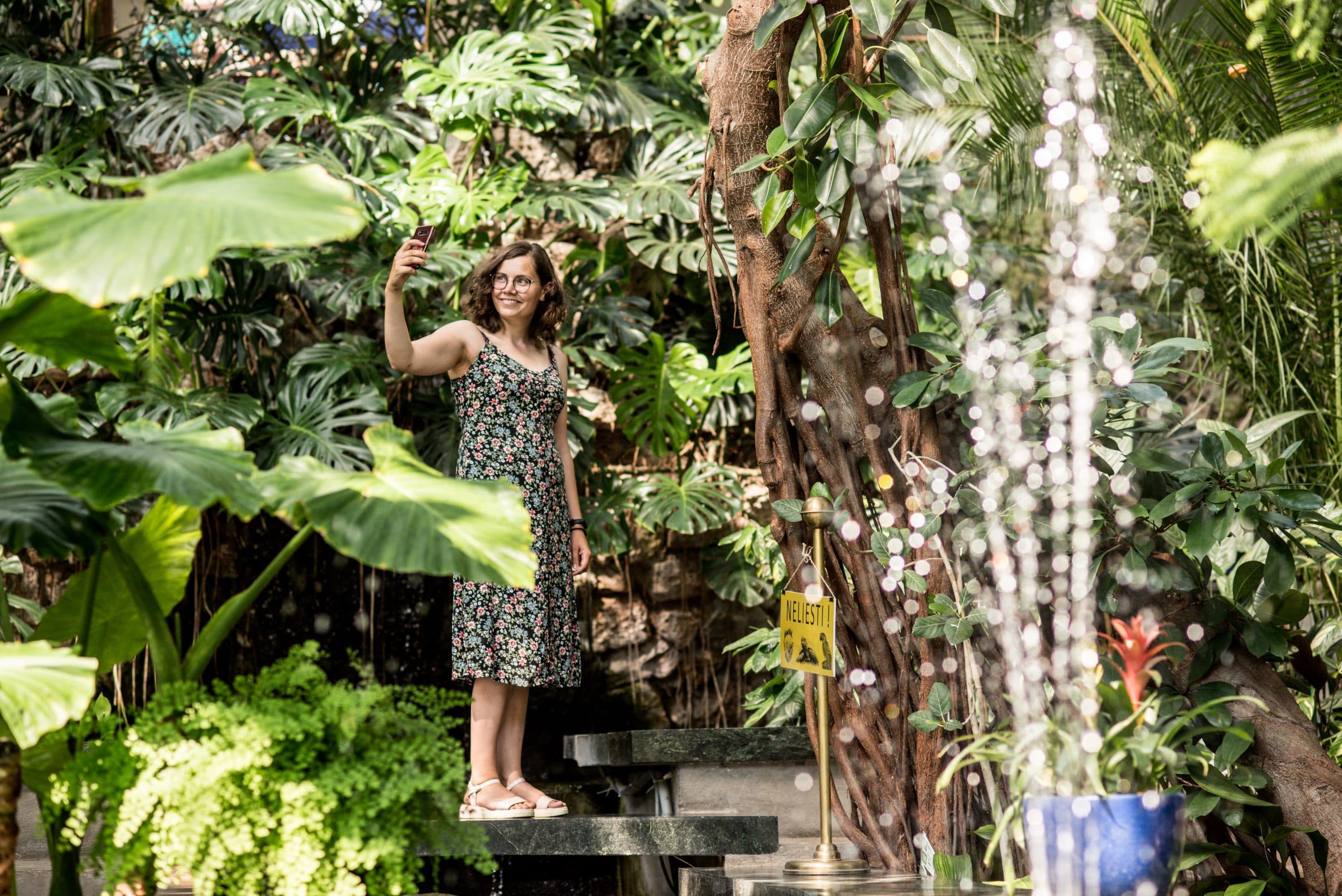
A surprising tropical oasis in western Lithuania — a historic orangery and winter garden attached to the Kretinga Manor, housing exotic plants from around the world since the 19th century.

A scenic regional park in northern Lithuania known for its manor house, horse riding trails, diverse forests, and unique karst sinkholes hidden among rolling hills.

A panoramic viewpoint in one of Šiauliai county's most scenic regional parks, offering vistas over rolling Žemaitija hills, forests, and the Kurtuvėnai manor estate below.

Lithuania's greatest mushroom foraging grounds — the vast Labanoras forest becomes a pilgrimage site for thousands of Lithuanians every autumn seeking boletus, chanterelles, and dozens of other species.

Lithuania's largest forest complex — a vast wilderness of pine, spruce, and birch covering over 55,000 hectares, famous for mushroom foraging and wolf sightings.

A sacred hill in Aukštaitija National Park offering a breathtaking 360-degree panorama of six lakes, ancient forests, and rolling hills — one of Lithuania's most beautiful viewpoints.

A sacred hilltop in Aukštaitija National Park offering a legendary panorama of six lakes simultaneously — one of Lithuania's most celebrated viewpoints.

Lithuania's deepest lake at 60.5 meters, surrounded by pristine forests in the Aukštaitija highlands — a place of cold, crystal-clear waters and ancient legends.

A magnificent but crumbling 19th-century manor and park near Trakai — once one of Lithuania's grandest estates, now a hauntingly beautiful ruin undergoing slow restoration.

A beautiful baroque monastery perched above the Nemunas River in Dzūkija — with stunning frescoes, river panoramas, and a deeply peaceful atmosphere.

A beautifully restored Dominican monastery perched above the Nemunas River in Dzūkija, featuring stunning baroque frescoes and panoramic views over the forested river valley.

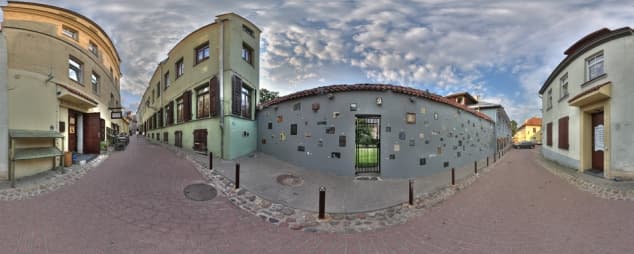
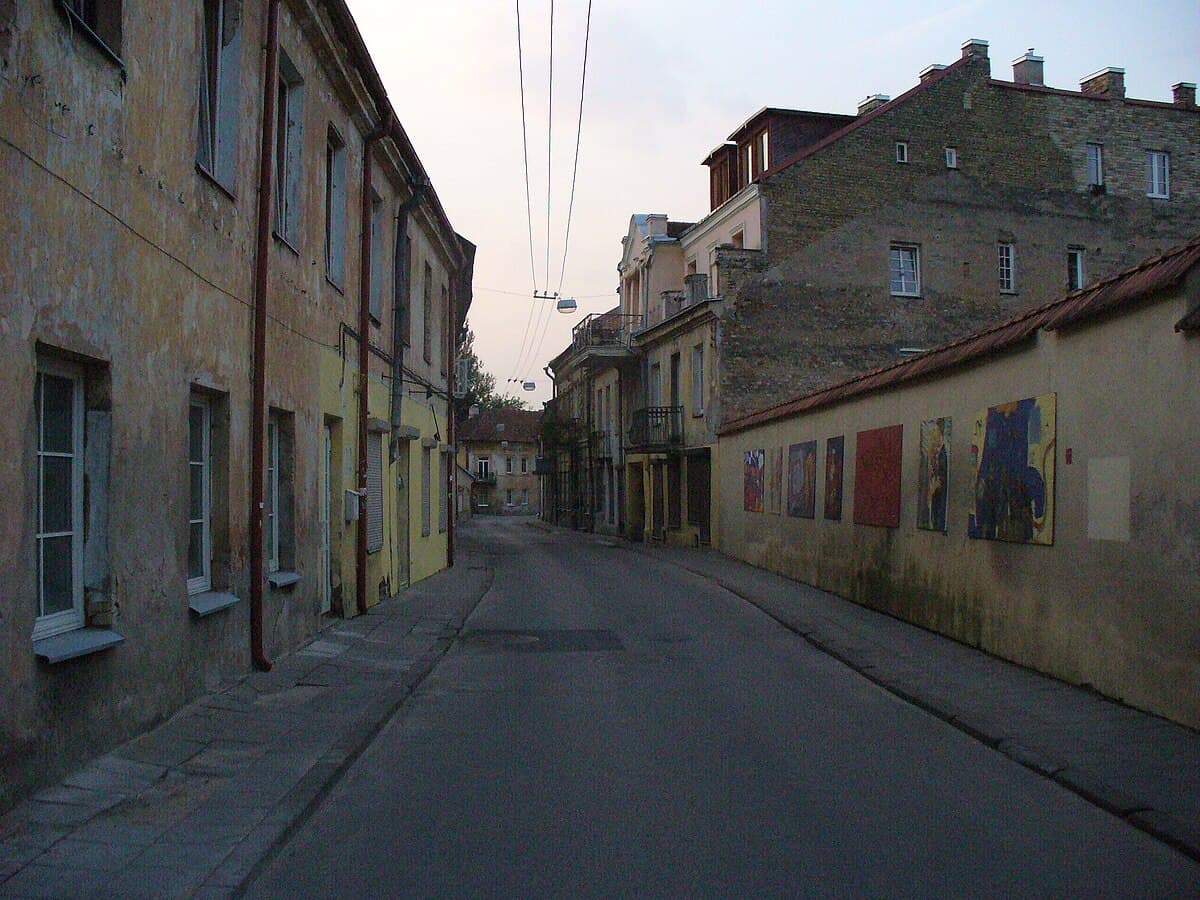
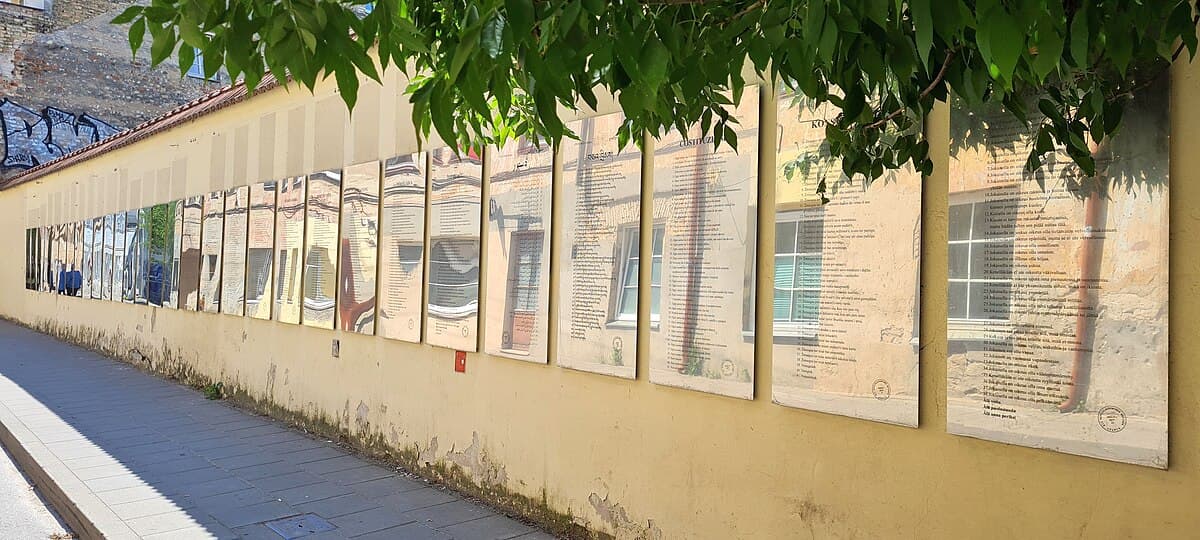
A narrow cobblestoned street in Vilnius Old Town whose walls are covered with over 200 small art plaques dedicated to Lithuanian and world writers who had connections to the city.
An open-air museum near Vilnius train station featuring vintage locomotives, historic carriages, and railway equipment — telling the story of Lithuania's railroad heritage.

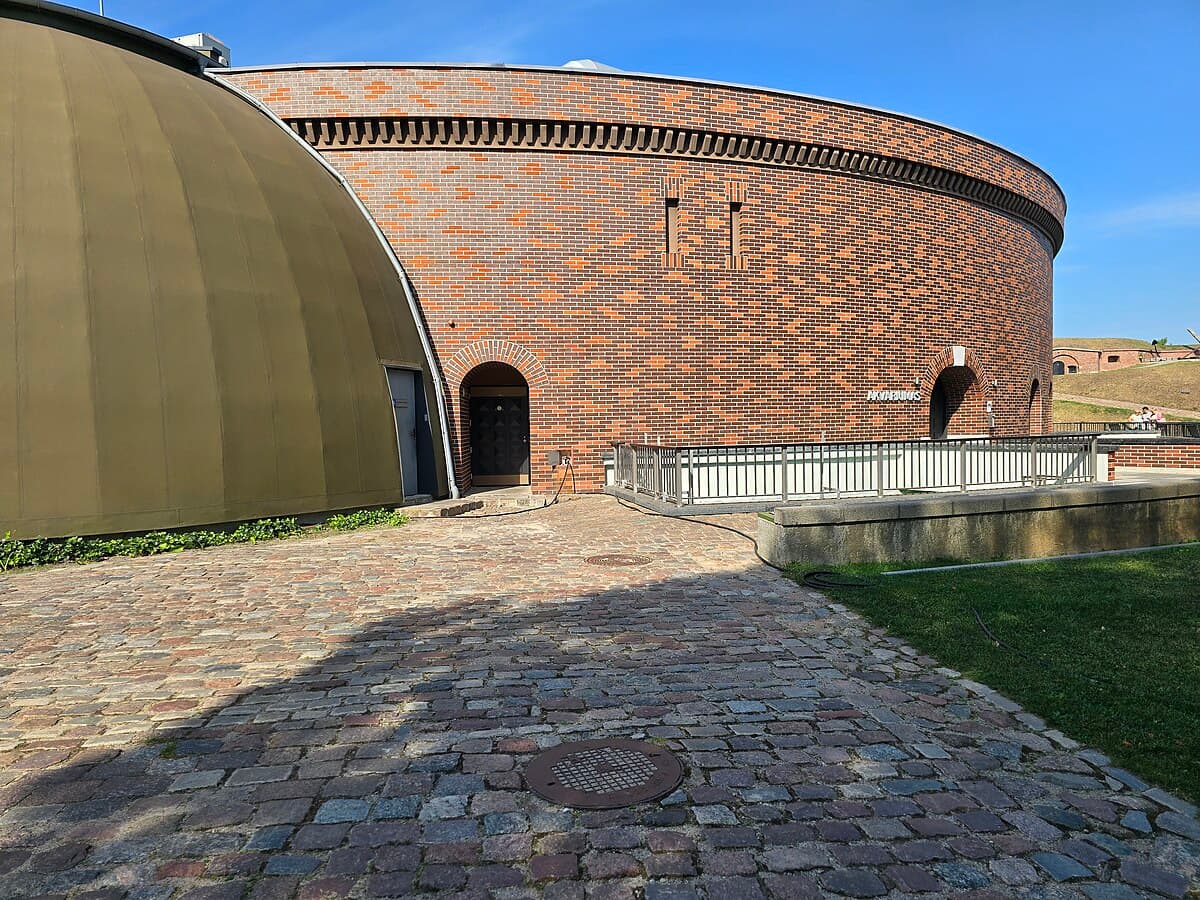
Housed in a 19th-century sea fortress on the Curonian Spit, this marine museum features aquariums, seal rehabilitation, and the only dolphin shows in the Baltic states.

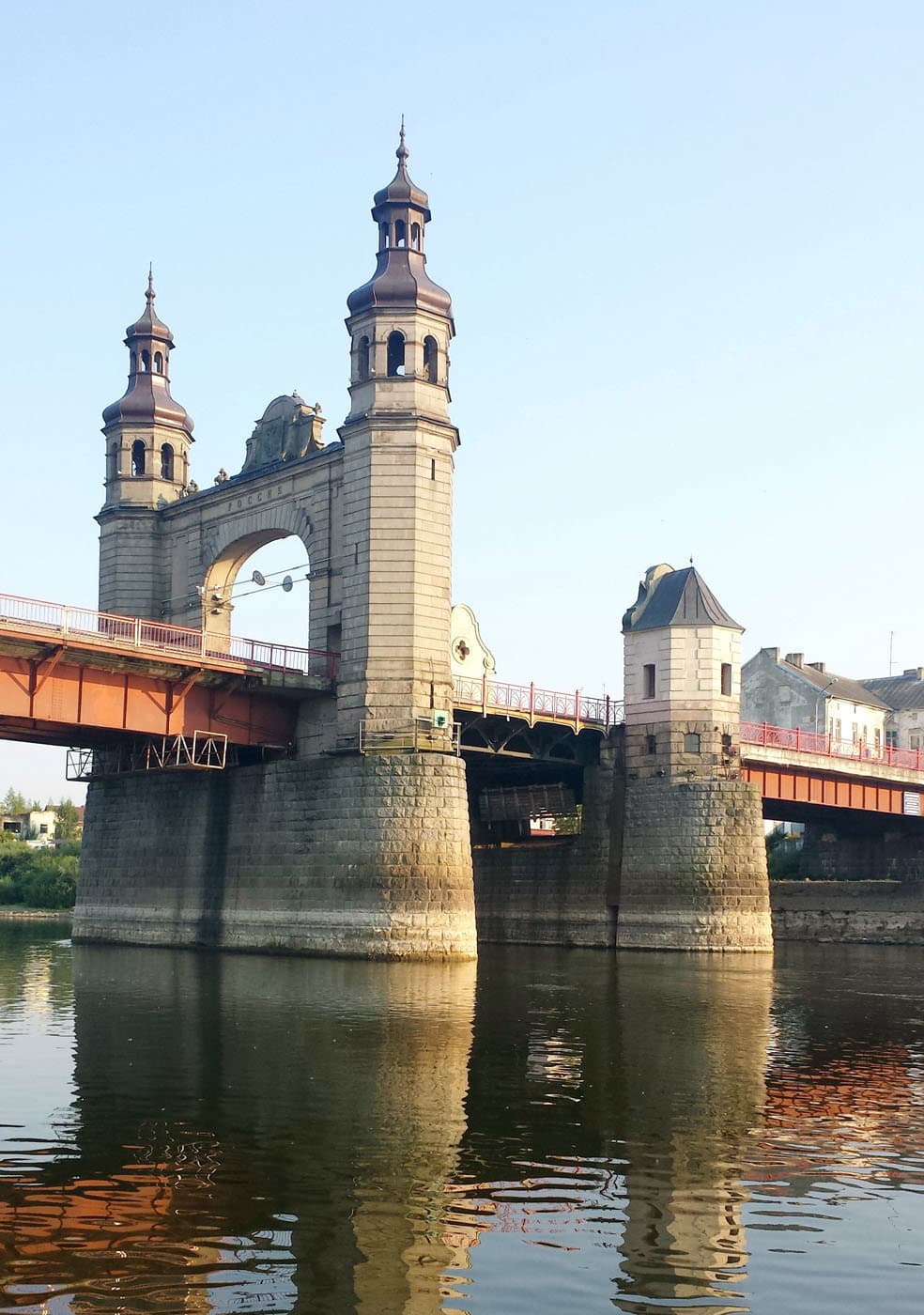
A rare surviving German drawbridge from the Memelland era — a charming piece of early 20th-century engineering in the Nemunas Delta that still functions.

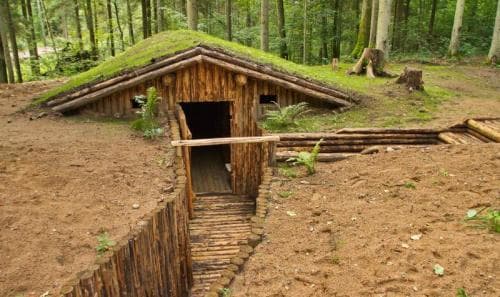
A reconstructed Lithuanian partisan underground bunker — where anti-Soviet resistance fighters lived and fought from hidden forest shelters during the decade-long guerrilla war.

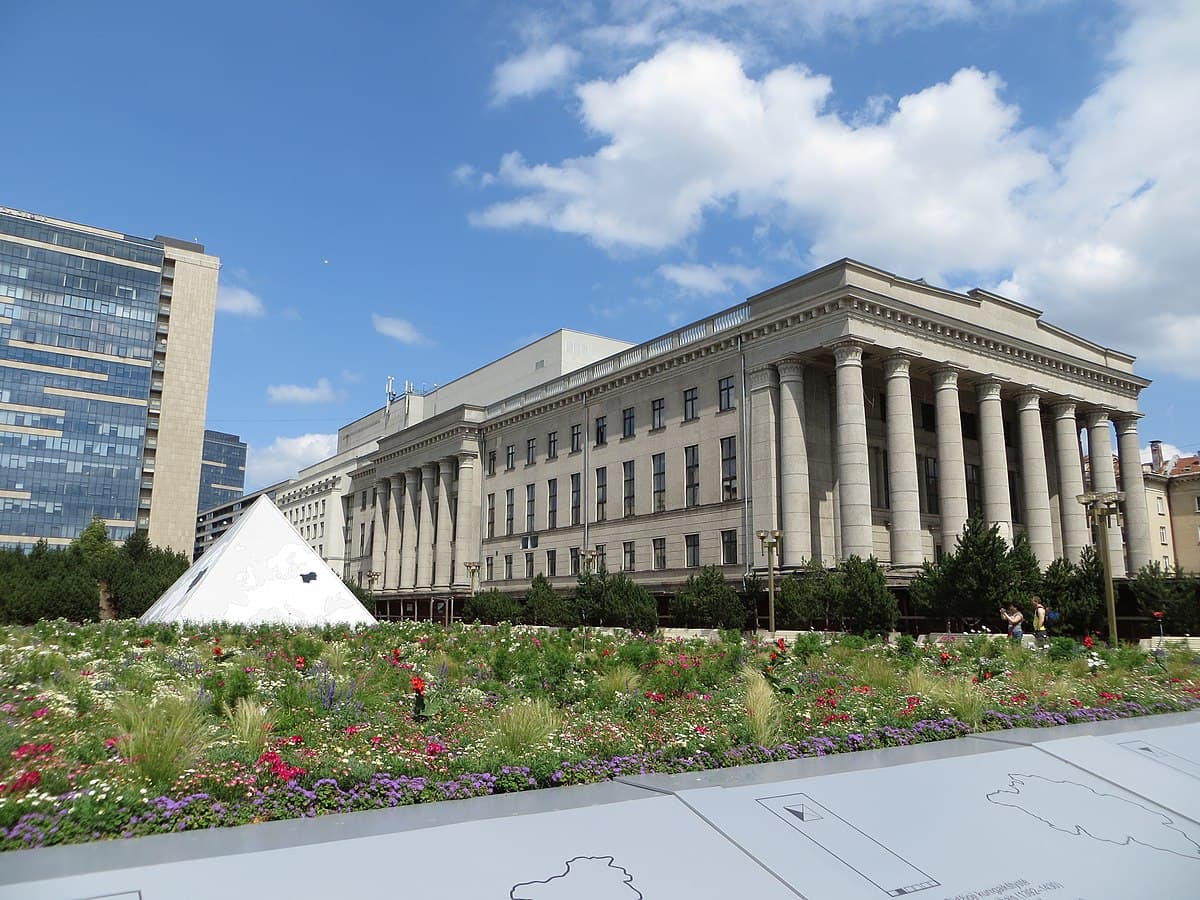
Lithuania's national library, a modernist landmark with a striking glass and stone facade, housing millions of volumes and featuring public exhibitions and a panoramic café.

Lithuania's massive oil refinery — an industrial giant visible from miles away, representing the country's complex energy story from Soviet pipelines to Western investment.

The ruins of Lithuania's oldest stone castle — massive 14th-century walls still stand 15 meters high in the quiet countryside near the Belarusian border.

The excavated remains of Lithuania's only Teutonic Knights castle on the Baltic coast — where the city of Klaipėda began over 750 years ago.
A dramatic hill fort at the confluence of the Nemunas and Merkys rivers, offering sweeping views over Dzūkija's forests — once a major medieval Lithuanian stronghold.

Lithuania's fastest river, winding through the primeval Dzūkija forests — one of the best kayaking experiences in the Baltic states with rapids, pristine nature, and total solitude.

Lithuania's most atmospheric midsummer celebration held at the ancient capital of Kernavė — bonfires on five hill forts, folk songs, and pagan-rooted rituals on the shortest night of the year.

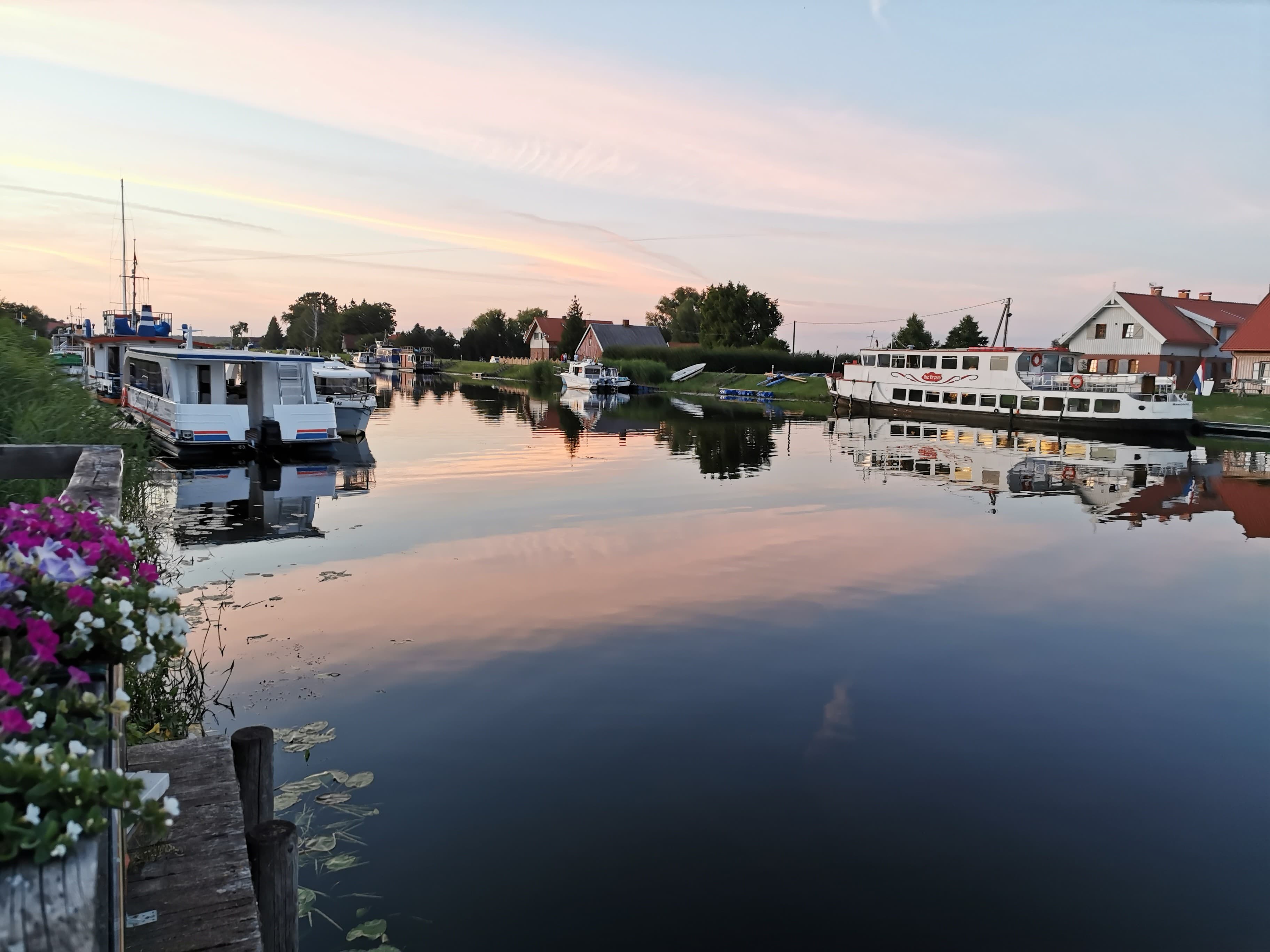
A picturesque fishing village along the Minija River where houses line both banks, boats serve as transport, and the water-centered way of life has earned it the nickname 'Lithuanian Venice.'

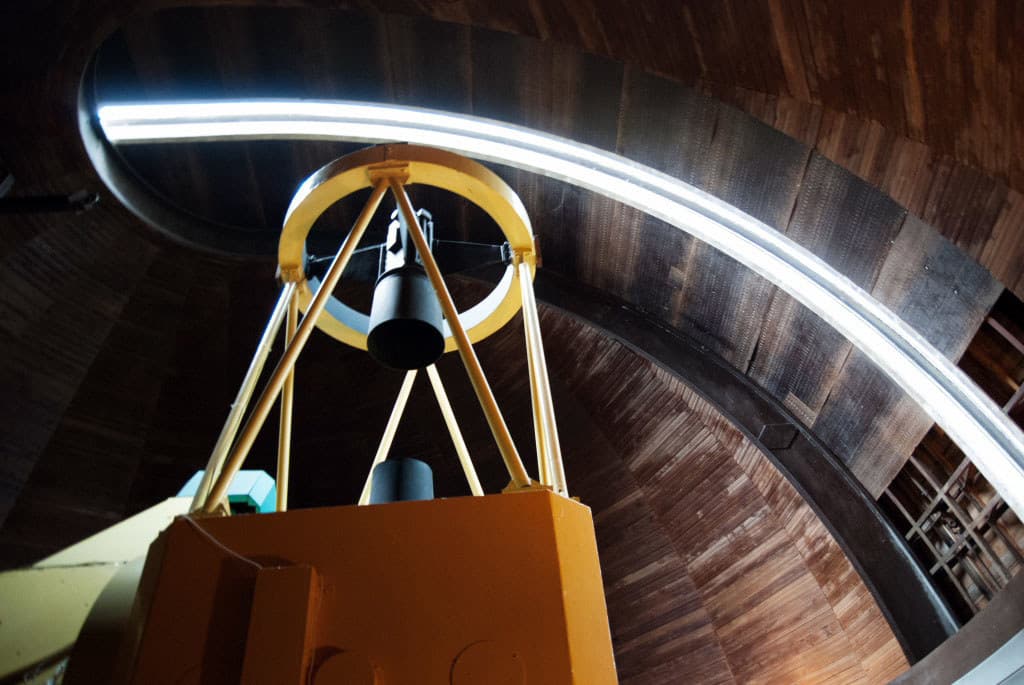
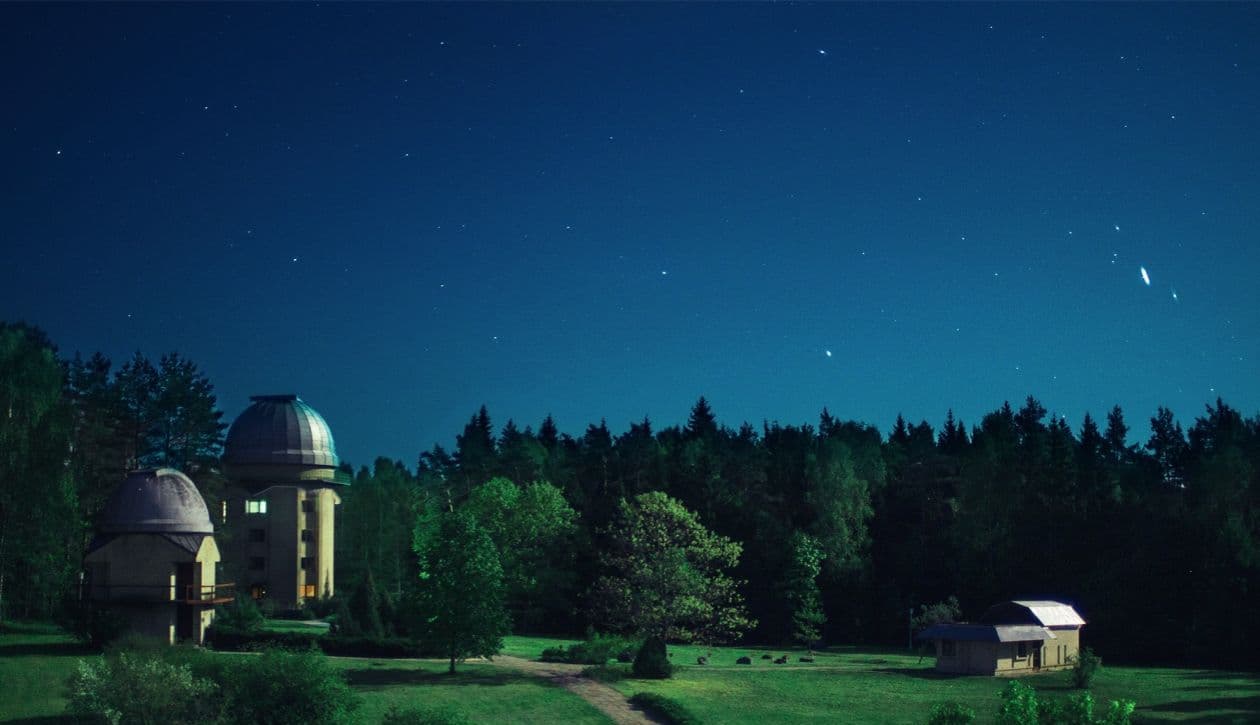
Lithuania's national astronomical observatory set among the lakes and forests of Aukštaitija — with a public planetarium and the country's most powerful telescope.
A surprisingly engaging modern museum exploring the history of money, currency, and banking in Lithuania and the world — with interactive exhibits that let you mint your own coin.

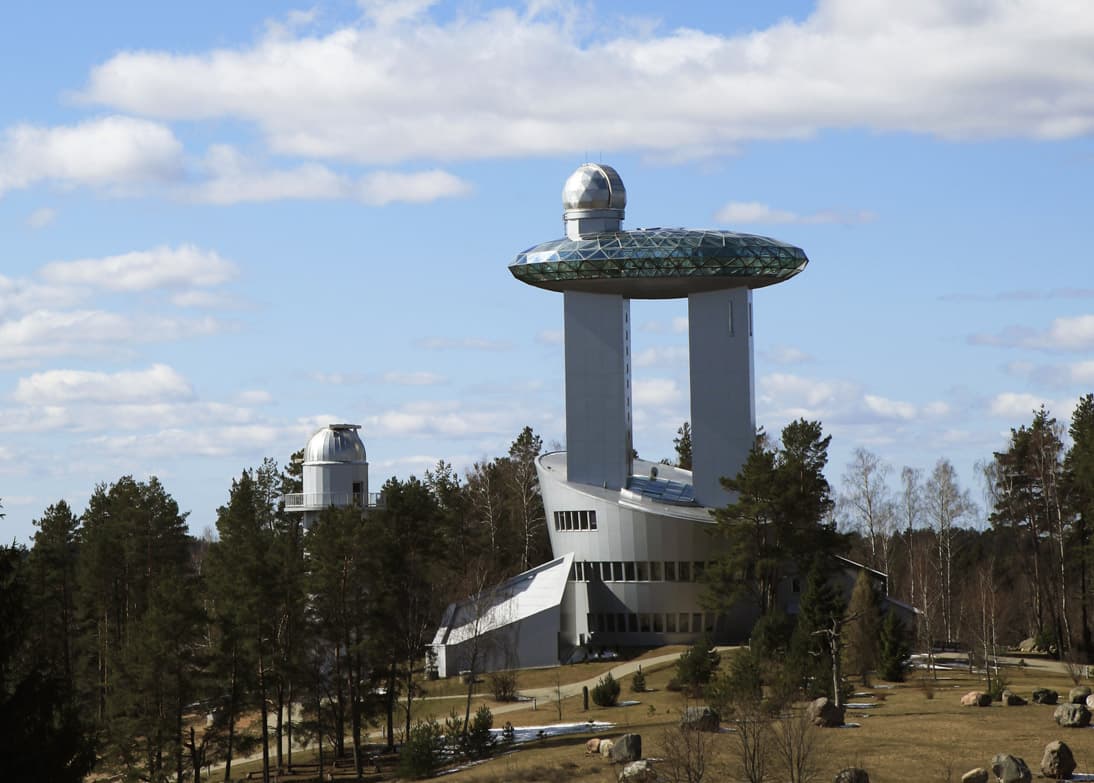
A striking modern observatory and museum in the Lithuanian countryside dedicated to humanity's relationship with the cosmos — offering stargazing sessions and exhibitions on ancient astronomical traditions.
An interactive museum in Vilnius Old Town featuring mind-bending optical illusions, holograms, and perception tricks — fun for all ages and perfect for creative photos.

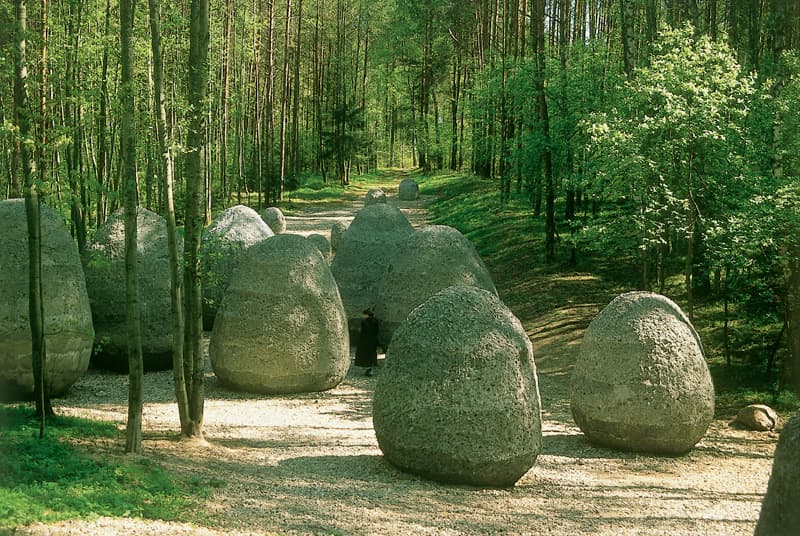
An open-air museum in western Lithuania containing over 200 glacial boulders — many with mysterious carved symbols, cup marks, and fossil inclusions spanning thousands of years.

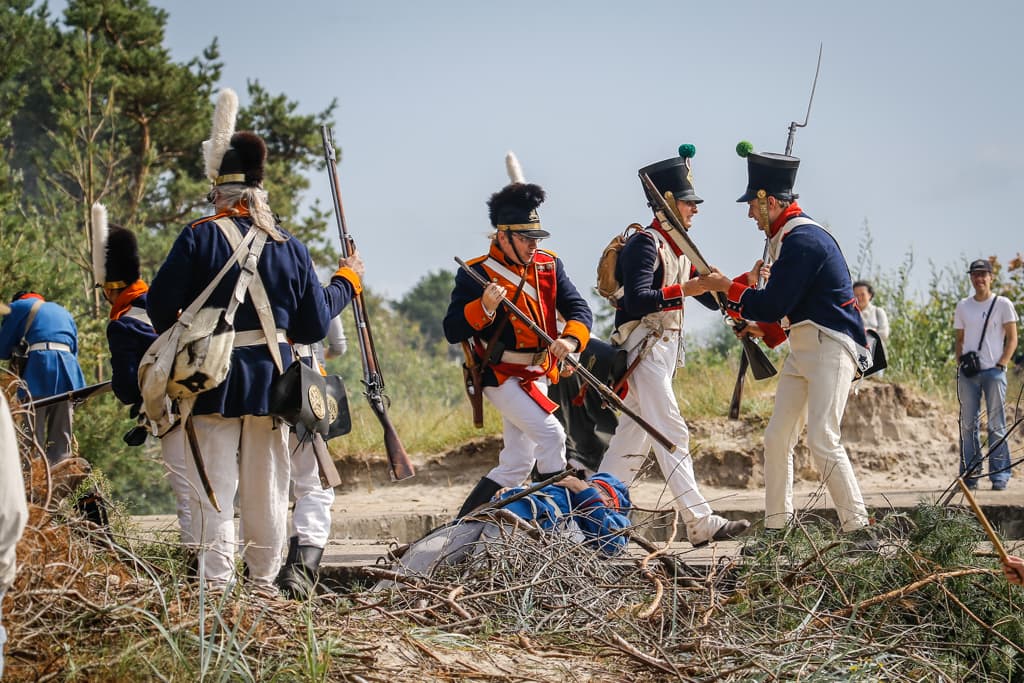
Markers and monuments tracing Napoleon's fateful march through Lithuania in 1812 — from his triumphant crossing of the Nemunas to the devastating retreat that destroyed his Grande Armée.

A hidden waterfall on a small stream in northern Lithuania — modest in height but set in a beautiful forested ravine that feels like a secret wilderness.

Lithuania's wild west — a vast wetland delta where the Nemunas River meets the Curonian Lagoon, home to extraordinary birdlife and a landscape that floods spectacularly each spring.

A vast wetland where the Nemunas River meets the Curonian Lagoon — one of Europe's most important bird migration corridors, with spring floods creating a temporary inland sea.

One of Europe's most spectacular spring bird migrations — hundreds of thousands of geese, swans, and cranes gather in the flooded Nemunas Delta each March and April.

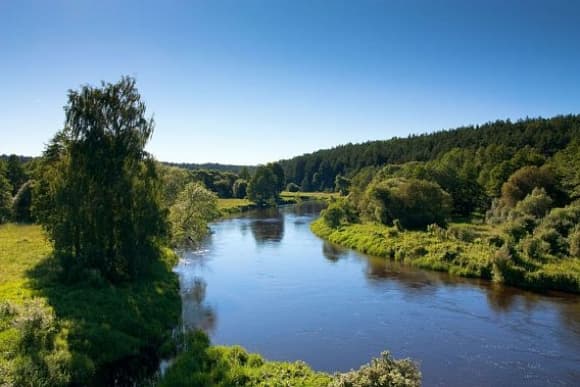
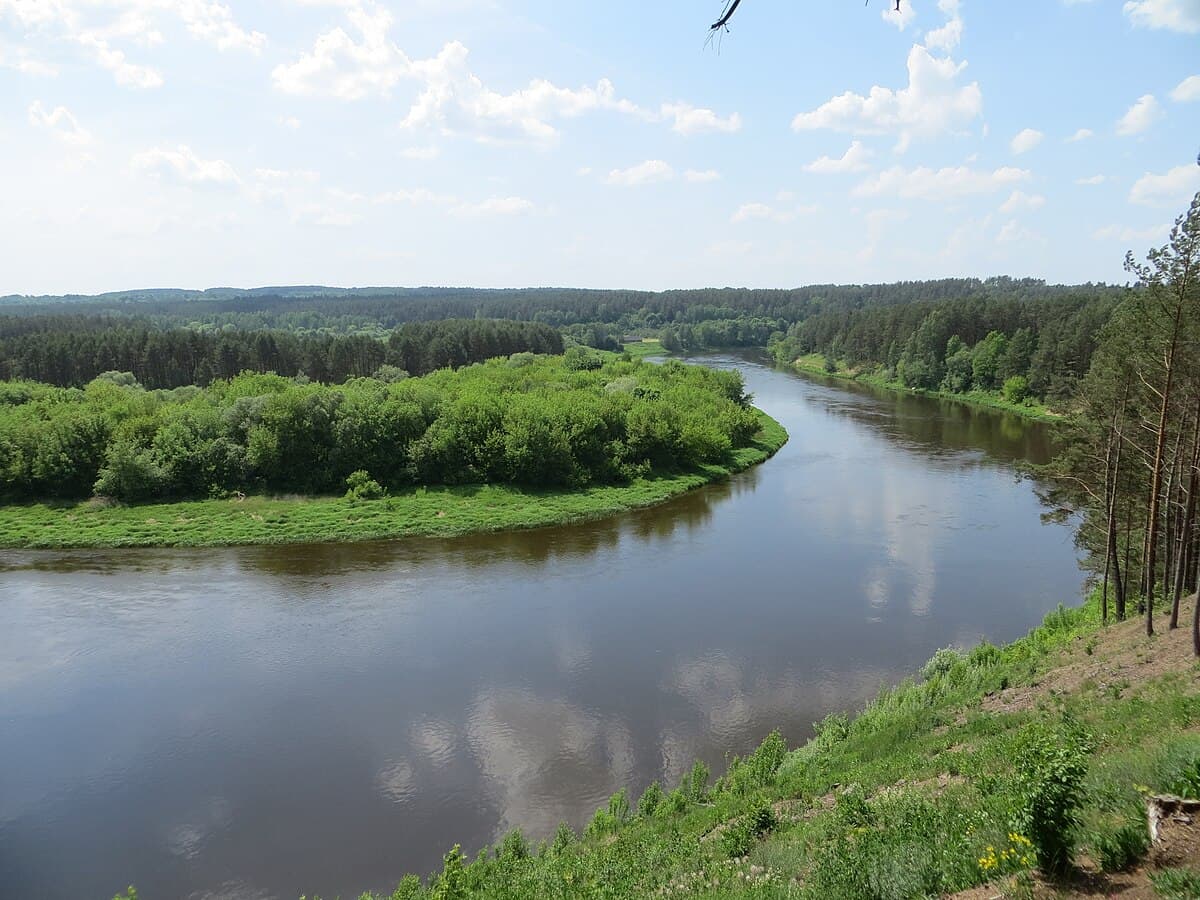
Where the Nemunas River carves dramatic oxbow loops through forested hills — Lithuania's most scenic river landscape, with viewpoints, castles, and ancient hillforts.

A contemporary art center on the Curonian Spit hosting international artists-in-residence, exhibitions, and installations that respond to the unique dune landscape.

The historic artists' colony on the Curonian Spit where Thomas Mann spent summers — a legacy of expressionist art that continues to inspire creatives today.
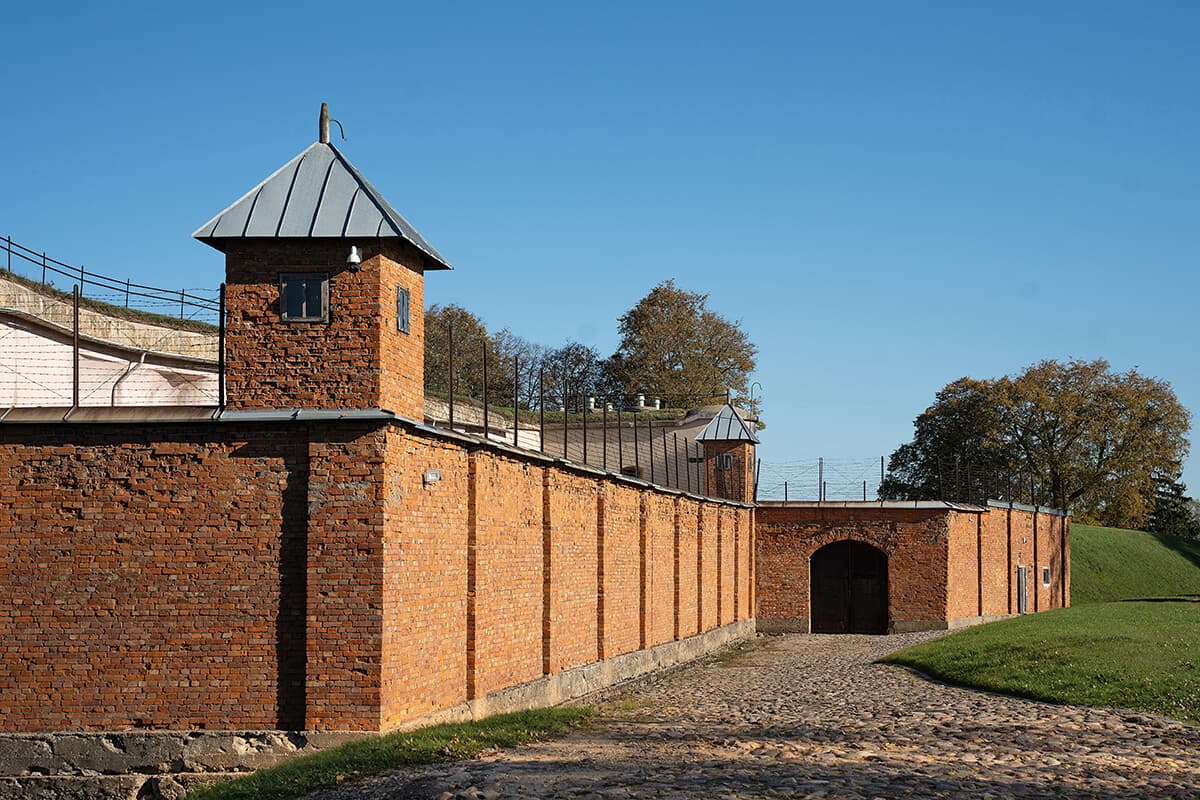
A 19th-century fortress on the outskirts of Kaunas that became a site of mass murder during WWII — now a powerful museum and memorial dominated by a striking Soviet-era monument.
A massive 19th-century fortress complex that became one of the most significant Holocaust sites in Lithuania — now a powerful museum and memorial.

Lithuania's only privately owned medieval castle — a small but well-preserved 16th-century fortress near the Belarusian border that operates as a hotel and restaurant.

A dramatic coastal cliff on Lithuania's Baltic shore, rising 24 meters above the sea — once even taller before erosion claimed its distinctive cap-like summit.

The longest open-air gallery in Lithuania — a stretch of wall on Pylimo Street in Vilnius transformed into a constantly evolving exhibition space for street artists and painters.
A surreal sculpture garden created by a persecuted Soviet-era stonemason — filled with carved crosses, boulders, and religious monuments saved from destruction during the atheist campaign.
An extraordinary outsider art garden near Salantai created by stone-carver Vilius Orvydas, featuring massive stone and wood sculptures, crosses, and spiritual monuments scattered across a surreal landscape.

One of Lithuania's finest surviving neoclassical manor houses, built in the early 19th century, now restored and open as a museum showcasing aristocratic life in the Sūduva region.

One of Lithuania's most impressive hillforts with a commanding view over the Jūra River valley — a strategic stronghold since the Iron Age that now offers peaceful panoramic views.

One of Lithuania's largest and best-restored manor complexes — a vast 18th-century estate with dozens of buildings, a brewery, and a synagogue, now operating as a cultural center.

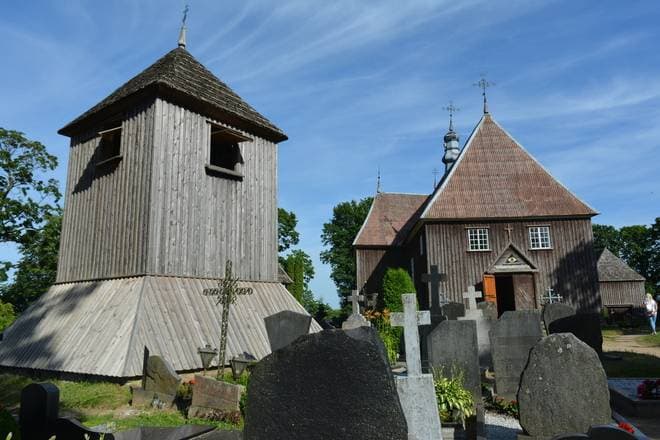
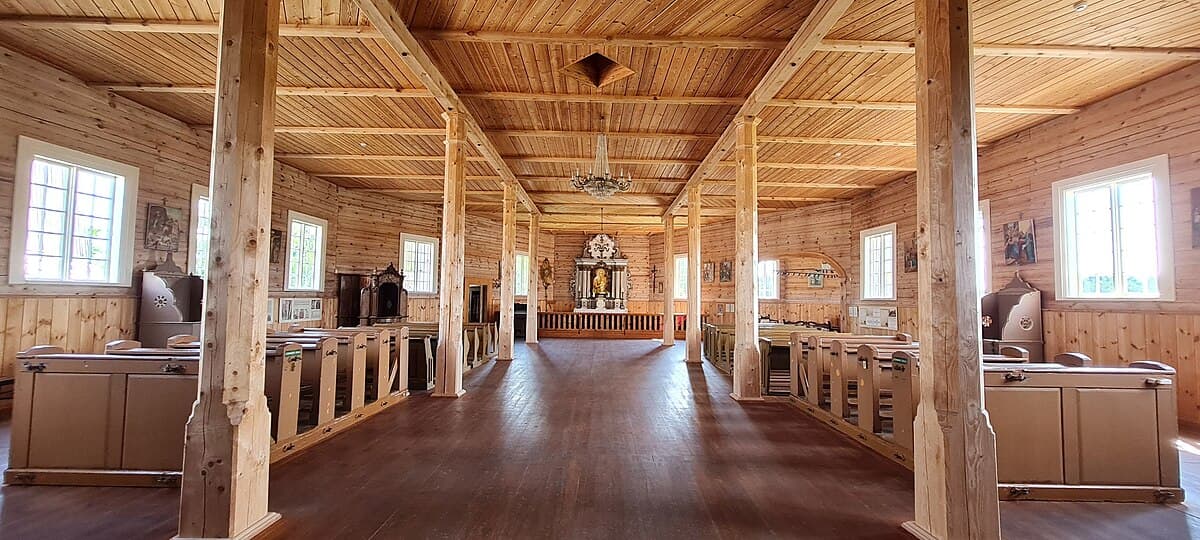
One of the oldest and most beautiful wooden churches in Lithuania, standing on the shore of Lake Lūšiai in Aukštaitija National Park — a masterpiece of folk architecture.

One of Lithuania's oldest and most beautiful wooden churches, standing on the shore of Lake Lūšiai in the heart of Aukštaitija National Park since 1750.

A Renaissance castle on the banks of the Nemunas River, beautifully restored and housing a museum — one of three castles forming the scenic 'Panemunė Castles Route.'

A fairytale Renaissance castle perched above the Nemunas River — one of four castles along Lithuania's scenic 'Castle Road' and now a museum and cultural venue.
A deeply moving Holocaust memorial in the forests southwest of Vilnius, marking the site where approximately 100,000 people — mostly Jews — were murdered during World War II.

One of the oldest puppet theatres in Lithuania, known for its traveling wagon performances — a cherished institution of Lithuanian children's culture since the Soviet era.
A massive shifting sand dune on the Curonian Spit crowned with a monumental granite sundial — where Europe's highest shifting dunes meet striking modern sculpture.
A towering granite sundial stands on the Parnidis Dune near Nida — at 52 meters, one of the tallest shifting sand dunes in Europe — offering dramatic views of the Curonian Lagoon and the Baltic Sea.
A stunning wilderness just minutes from Vilnius city center — deep river valleys, dramatic cliffs, waterfalls, and ancient forests within the capital's boundaries.

The finest Italian Baroque monastery in Lithuania — a 17th-century Camaldolese complex with magnificent frescoes, set on a peninsula overlooking the Kaunas Reservoir.

The finest example of Italian Baroque architecture outside Italy — a stunning 17th-century Camaldolese monastery complex on the shores of the Kaunas Reservoir.

A monument to the tiny self-declared Republic of Perloja — a village that declared independence from Lithuania in 1918 and maintained it for over a decade.

A beloved Lithuanian Marian pilgrimage site in the Dzūkija region, centered around a 17th-century icon of the Virgin Mary said to have miraculous properties.
A former top-secret Soviet nuclear missile base hidden in the forests of Žemaitija National Park, now a chilling Cold War museum where you can descend into the underground launch silos.

Vilnius's hidden geological wonder — a dramatic 65-meter high sandy cliff carved by the Vilnia River, also known as Lithuania's 'Grand Canyon' and accessible within the city limits.

A dramatic 65-meter geological cliff face with a small waterfall in the heart of Vilnius — the city's most striking natural landmark, hidden in Pavilniai Regional Park.

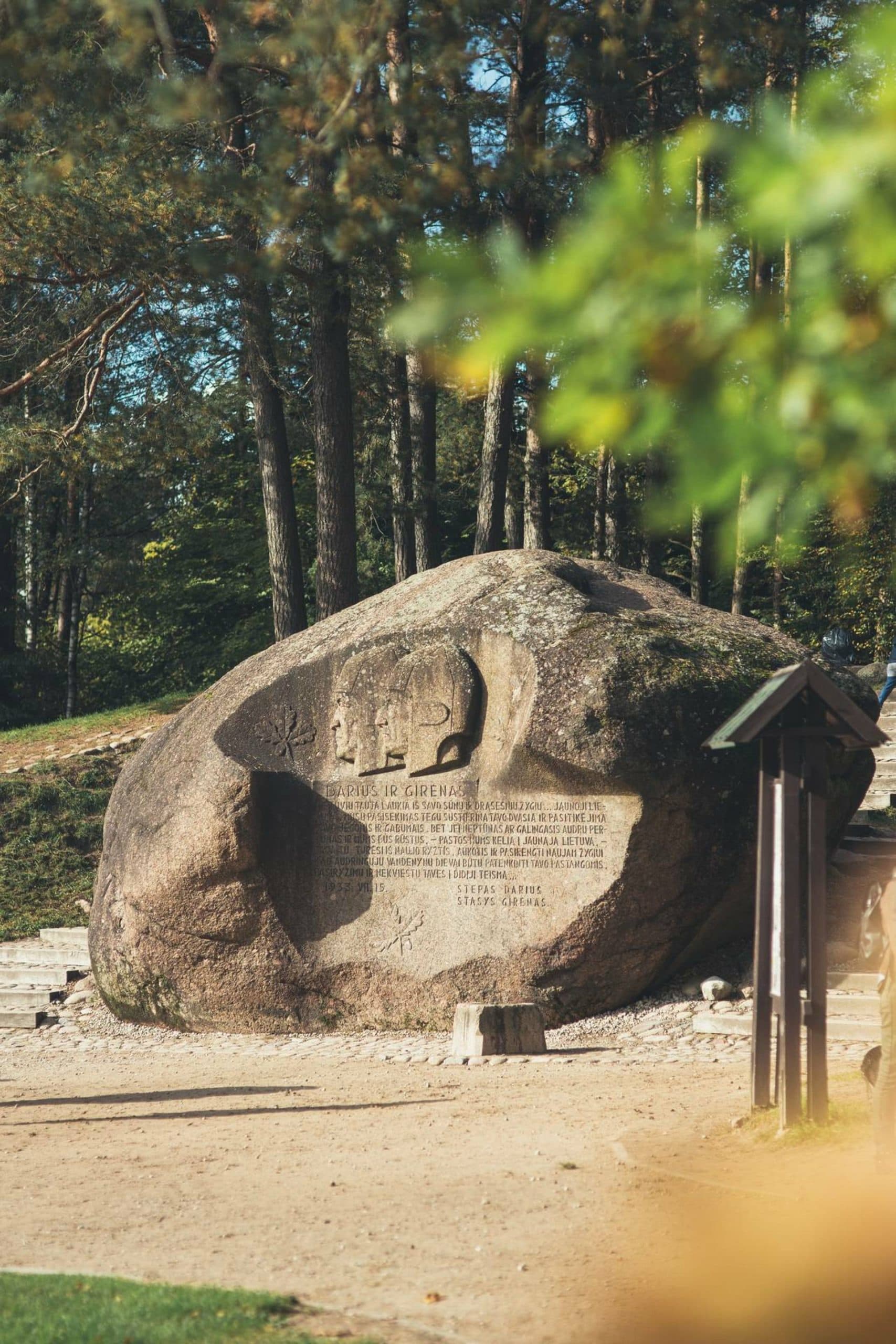
Lithuania's second-largest glacial boulder, standing in the Anykščiai forest with bas-reliefs of legendary Lithuanian pilots Darius and Girėnas carved into its face.

The remains of a Soviet military airfield in northern Lithuania — vast concrete runways, abandoned hangars, and dispersal areas that once housed fighter jets during the Cold War.

A haunting memorial to 73 Lithuanian political prisoners massacred by the Soviet NKVD in June 1941 — one of the most powerful and painful memorial sites in Lithuania.
A sacred Samogitian hill overlooking the Nemunas River and the border with Kaliningrad — once a major pagan worship site and altar of the ancient Lithuanians.

A striking red-brick castle with a tall Renaissance tower overlooking the Nemunas River — part of Lithuania's scenic Castle Road and home to panoramic views.

A neo-gothic castle tower overlooking the Nemunas River valley — one of the most picturesque viewpoints along Lithuania's greatest river, with panoramic views from the observation platform.

A self-declared independent republic in the heart of Vilnius, complete with its own constitution, president, anthem, and a 41-article Bill of Rights that includes the right of a cat to not love its owner.

A beautiful swimming lake near Anykščiai with sandy shores and clean water — a favorite local summer retreat surrounded by forests and far from tourist crowds.

One of the largest open-air ethnographic museums in Europe — over 180 authentic buildings from across Lithuania recreating village life from the 18th-20th centuries.

The largest open-air ethnographic museum in Europe — an entire recreated Lithuanian village landscape with over 180 authentic historic buildings from all regions.

A mysterious medieval stone sculpture of a woman found near Salantai — one of Lithuania's oldest figurative stone carvings, now standing in the town center.

The regional art museum of Samogitia housed in a lakeside complex — featuring Samogitian folk art, contemporary works, and the mythological heritage of Lithuania's most distinctive region.
The ruins of a baroque palace and park in Vilnius's Antakalnis district, once the grandest private residence in the city — now an atmospheric ruin being slowly restored.

One of Lithuania's most spectacular winter traditions — horse races held on the frozen surface of Lake Sartai each February, attracting thousands of spectators.

Traditional winter horse races on the frozen surface of Lake Sartai — one of Lithuania's most spectacular and unique annual events, held every February since the 17th century.
The legendary gathering place of Lithuanian witches, rising 228 meters above the Samogitian highlands — a mystical hill steeped in pagan folklore and solstice traditions.
One of the seven sacred hills of Samogitia — a mythological mountain associated with witches, pagan rituals, and the deepest layers of Lithuanian folklore.

Surviving Soviet-era mosaic murals on apartment buildings in Vilnius's Šeškinė district — colorful relics of socialist realist public art that are slowly disappearing.

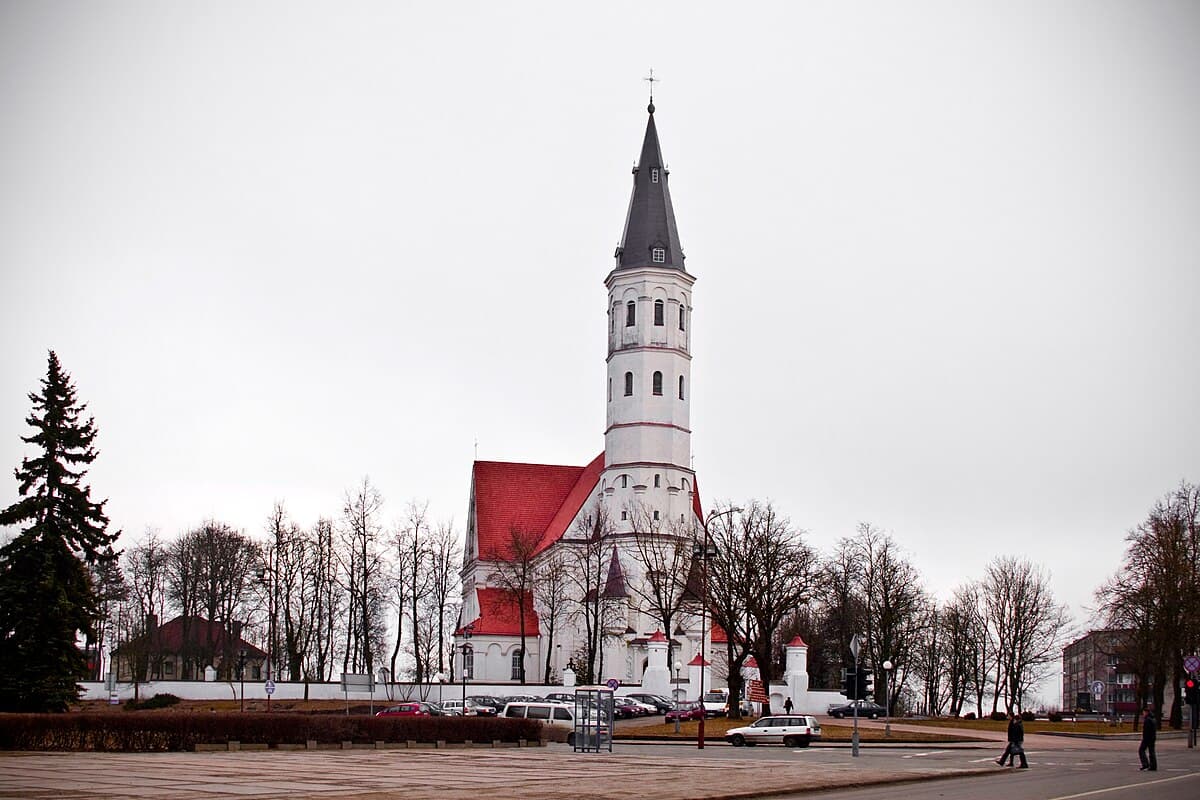
One of Lithuania's grandest Renaissance churches, with a striking tower visible across the city — a symbol of Šiauliai's resilience through centuries of destruction and rebuilding.

A network of Cold War-era military bunkers hidden in forests near Šiauliai — once part of the Soviet air defense network protecting the Baltic military district.

An elegant 19th-century manor in the Memelland region, now a museum showcasing the unique Germanic-Lithuanian cultural heritage of Lithuania Minor.

Lithuania's most important Marian pilgrimage site — where the Virgin Mary reportedly appeared in 1608, making it one of Europe's earliest recorded Marian apparitions.

One of the earliest Marian apparition sites in Europe, predating Lourdes and Fatima — a major Lithuanian Catholic pilgrimage destination since the 17th century.

A pristine lake-and-forest landscape in northeastern Lithuania, known for its crystal-clear waters, abundant wildlife, and some of the darkest night skies in the country.

Lithuania's premier stargazing facility in Aukštaitija National Park — one of the darkest sky areas in the country, with a public observatory offering guided observations.

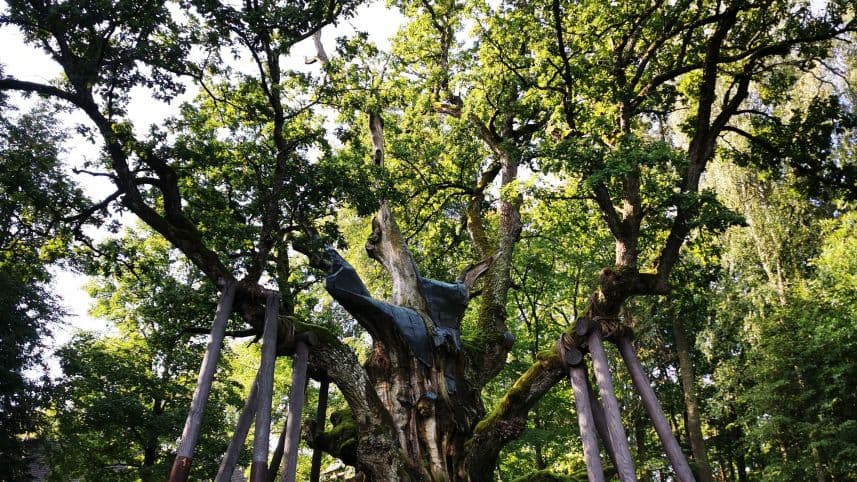
The oldest tree in Lithuania — a massive oak estimated at over 1,500 years old, standing in the churchyard of a tiny village in northeastern Lithuania near the Latvian border.

Villages around the Žuvintas Biosphere Reserve where white storks nest on nearly every rooftop — Lithuania has one of the densest stork populations in the world.

One of Lithuania's most dramatically situated hillforts, rising sharply above the Nemunas River on the border with Kaliningrad — offering views into Russian territory.

A small but fascinating museum at a railway junction town, housing vintage locomotives, rolling stock, and the story of Lithuania's railway heritage from Tsarist times through the Soviet era.
A hidden coastal viewpoint near the fishing village of Šventoji, where low cliffs meet the Baltic Sea, offering uninterrupted sunset views that most tourists miss entirely.
A mysterious large egg-shaped sculpture that has appeared in various locations around Vilnius Old Town, becoming an urban legend and beloved quirky landmark.
Three stark white crosses atop a hill overlooking Vilnius Old Town — a symbol of Lithuanian faith and freedom, dramatically illuminated at night against the city skyline.

A fairy-tale red-brick castle on an island in Lake Galvė — the most iconic image of Lithuania and the former residence of the Grand Dukes of the Lithuanian medieval superpower.

The cultural heritage of the Karaim people — a tiny Turkic ethnic group brought to Lithuania in the 14th century, whose unique houses, kenesa temple, and cuisine survive in Trakai.

A boardwalk trail through one of northern Lithuania's most pristine raised bogs — a landscape of sphagnum moss, carnivorous plants, and rare birds.
A network of historic fishponds near Tytuvėnai monastery that has become an important wetland habitat — where centuries-old fish farming coexists with remarkable bird diversity.

A beautifully preserved Bernardine monastery complex from the 17th century, featuring a church with rare trompe-l'oeil frescoes and a peaceful cloister overlooking a lake.

A beautifully preserved 17th-century Bernardine monastery complex — one of Lithuania's finest baroque sacred ensembles with a revered chapel of miraculous icons.

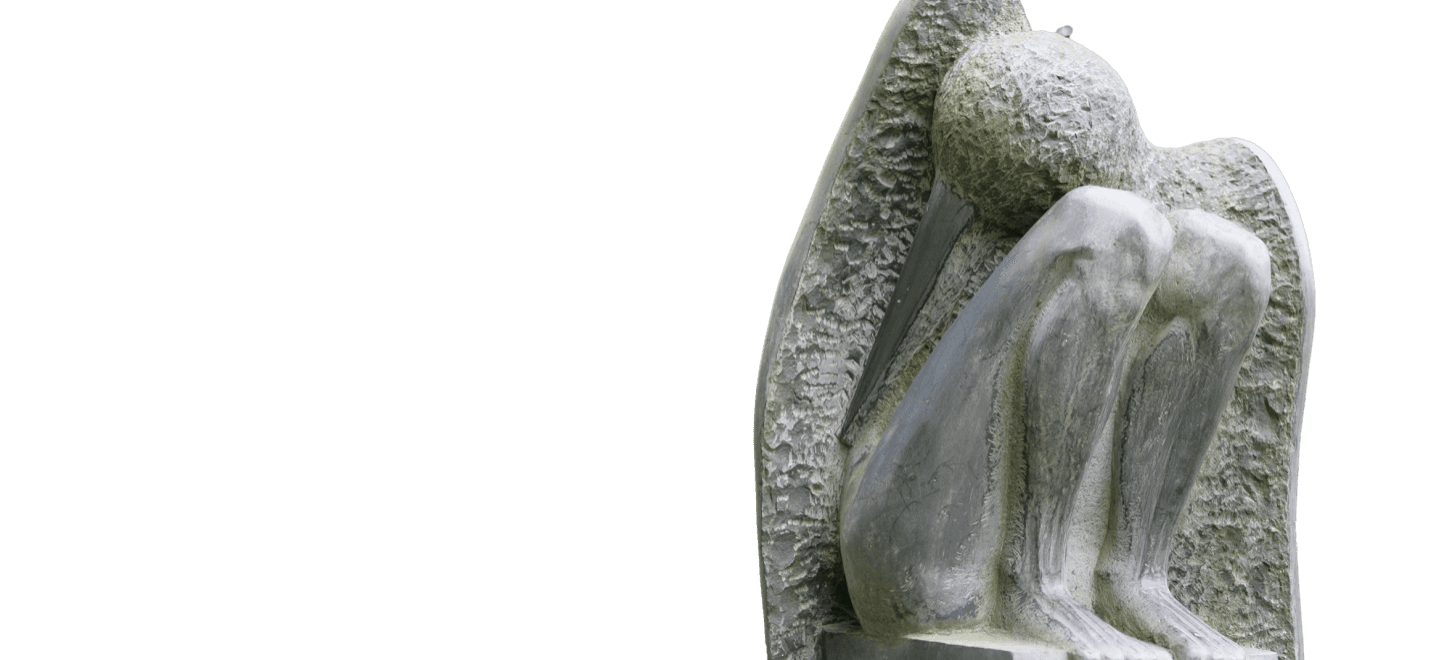
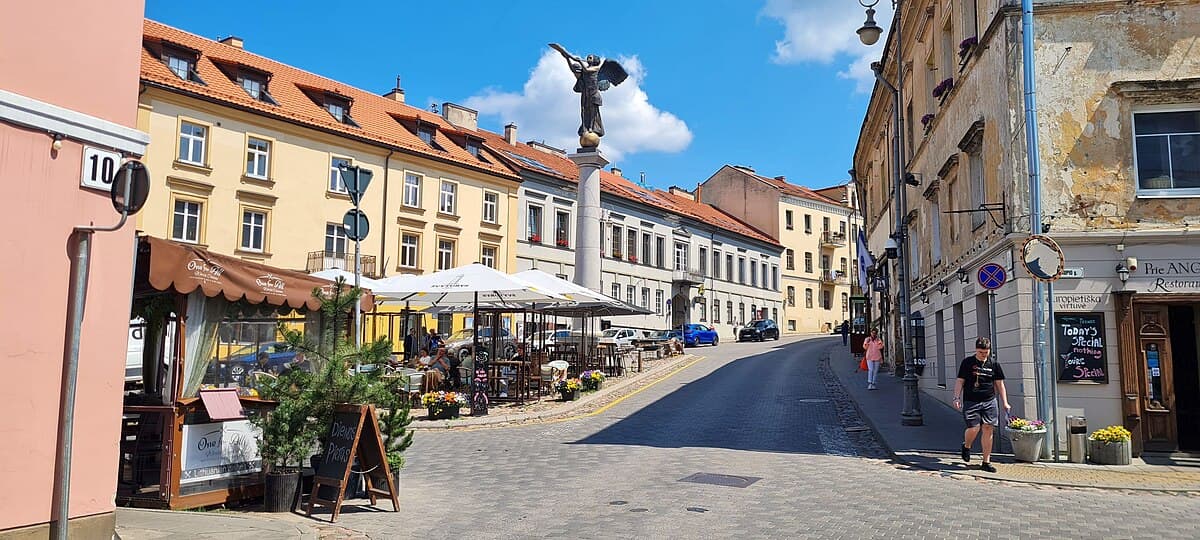
The bronze angel trumpeting from atop a column in the heart of the Užupis Republic — the symbol of Vilnius's most bohemian neighborhood and its artistic independence.

Vilnius's bohemian self-declared republic — an artists' quarter with its own constitution (translated into over 50 languages), president, anthem, and a famous angel statue.

A scenic nature trail near Trakai winding through forests, wetlands, and lakeshores with interpretive panels explaining the ecology of Lithuania's lake district.
A dramatically positioned hill fort above the Nemunas River, offering stunning views over the valley — the legendary burial place of Grand Duchess Birutė.

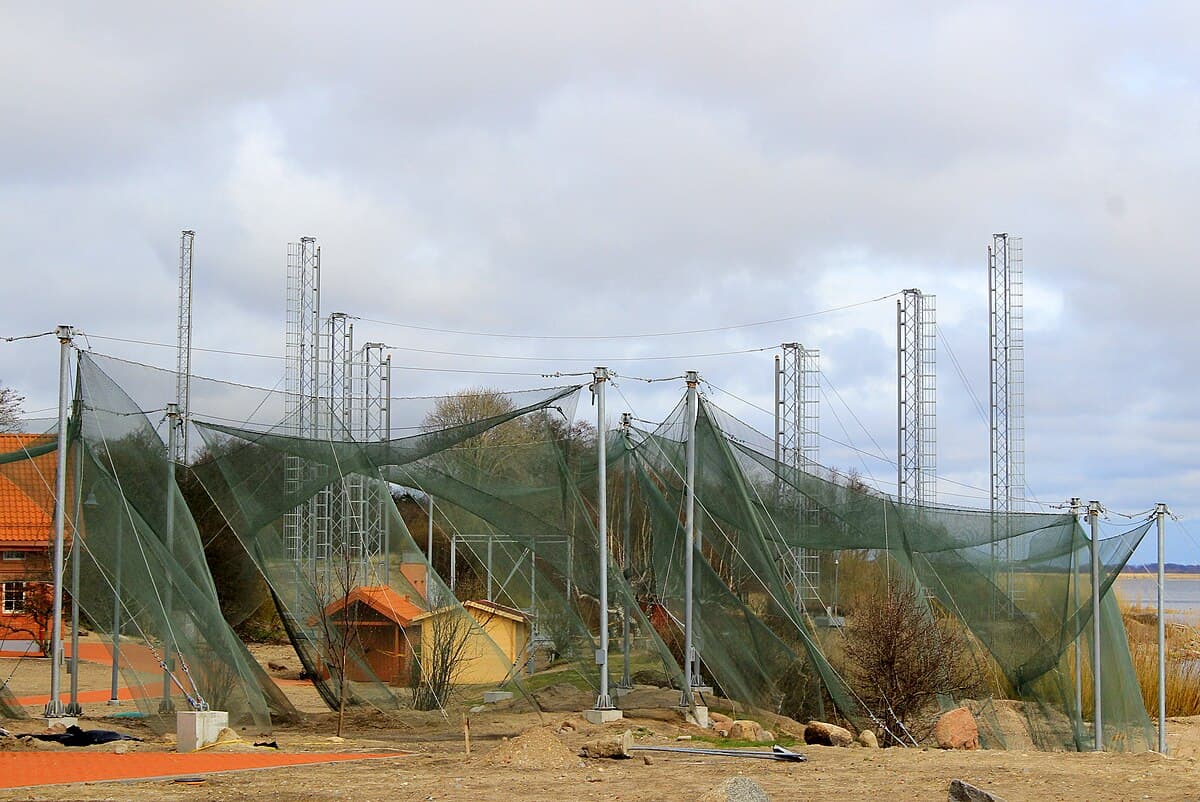
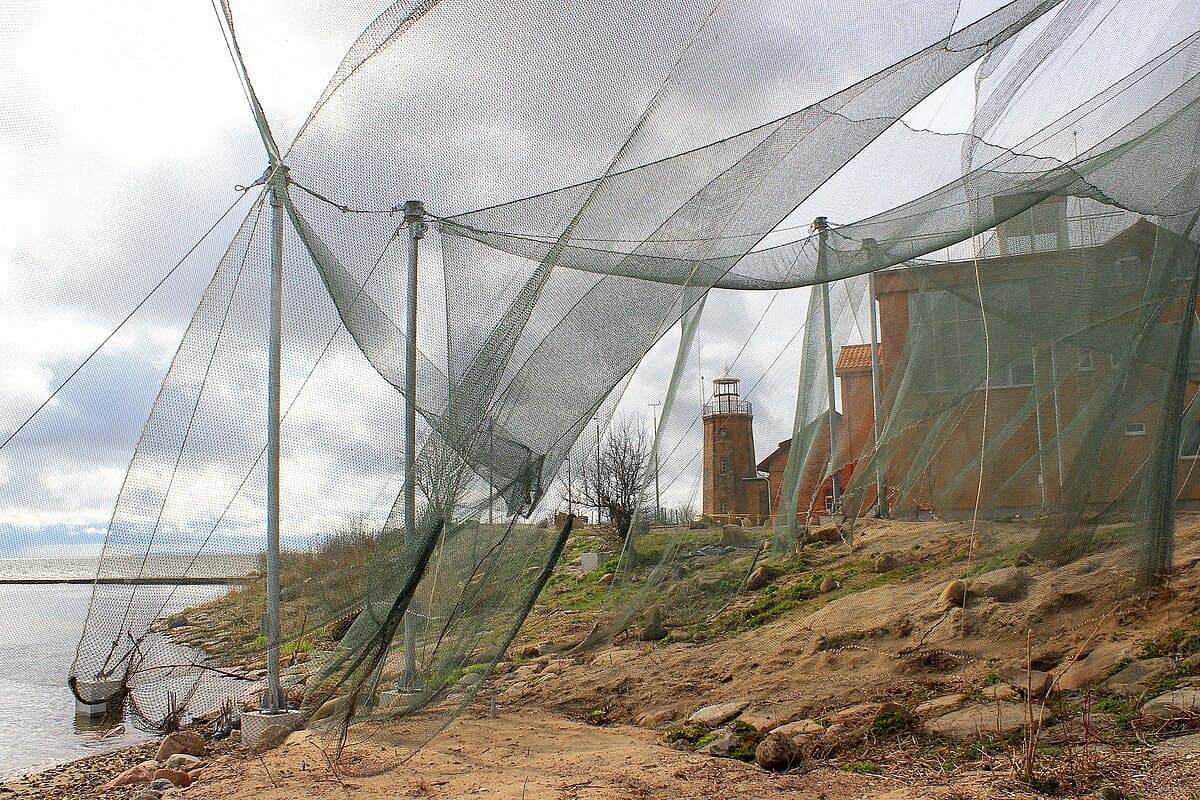
A 19th-century lighthouse on Lithuania's only cape, housing one of Europe's oldest ornithological stations — where thousands of migrating birds are ringed every season.

One of Europe's oldest bird ringing stations, located at the tip of a peninsula jutting into the Curonian Lagoon — millions of migrating birds pass through here annually.
A vast green corridor following the Neris River on the northern edge of Vilnius, featuring a historic palace, botanical garden, river beaches, and kilometers of forest trails.
One of Lithuania's most pristine nature reserves protecting ancient floodplain forests along the Nemunas River — home to wolves, lynx, and some of the country's last wilderness.
The ancient underground chambers beneath Vilnius Cathedral, containing royal tombs, medieval frescoes, and the remains of earlier pagan and Christian temples dating back centuries.

A city-wide outdoor gallery of murals and street art — from political commentary to abstract beauty, Vilnius has become one of Europe's most vibrant street art cities.
Lithuania's tallest structure at 326.5 meters, with an observation deck and revolving café — also the site of the January 13, 1991 massacre when Soviet troops killed 14 civilians defending Lithuanian independence.
The tallest structure in Lithuania at 326 meters — site of the tragic January 13, 1991 events and now featuring an observation deck and a memorial to freedom defenders.

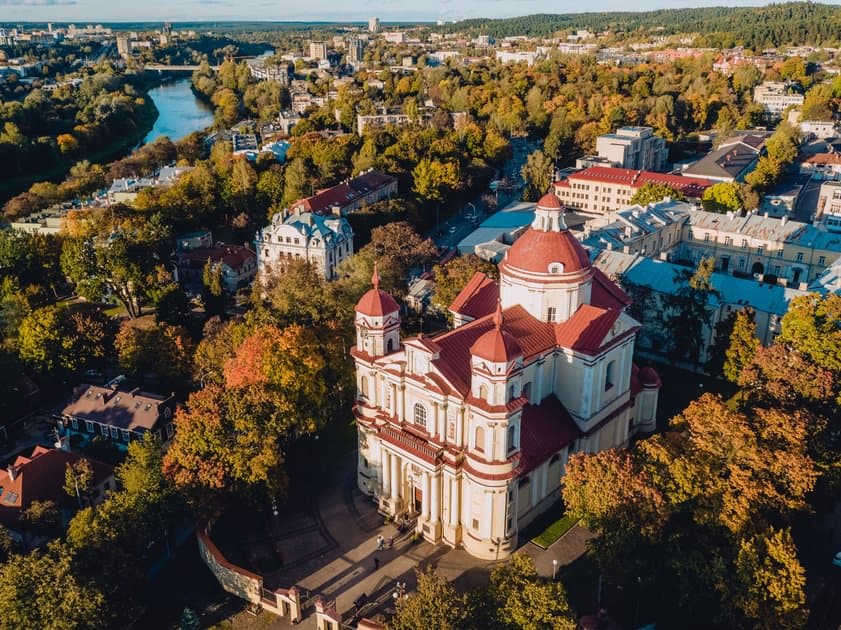
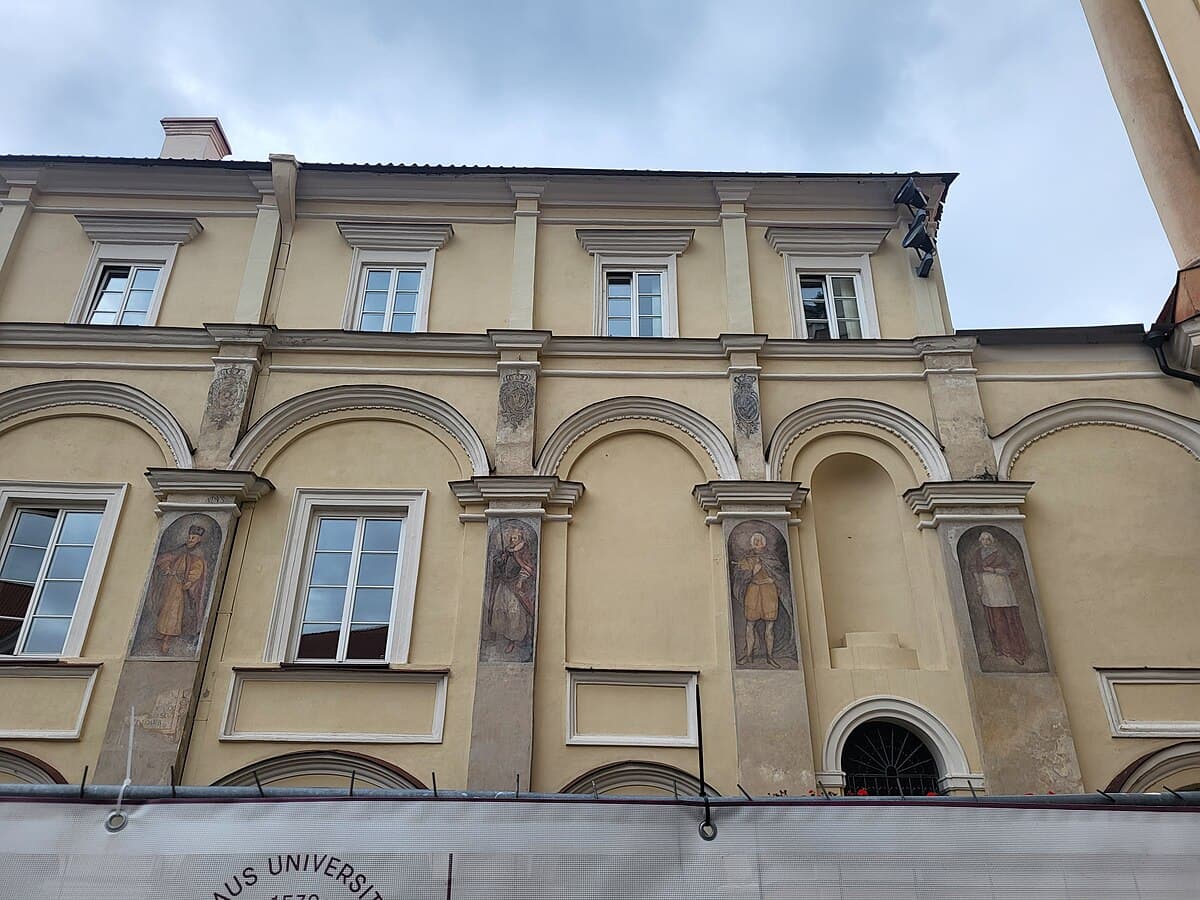
A stunning complex of 13 interconnected courtyards spanning five centuries of architecture — Gothic, Renaissance, Baroque, and Classical styles all in one living university campus.

A forested hilltop on the Curonian Spit filled with dozens of wooden sculptures depicting characters from Lithuanian folklore — witches, devils, and mythical creatures.

A vast manor park in northern Lithuania containing some of the country's rarest trees — including imported species from around the world planted by botanist-nobility in the 19th century.

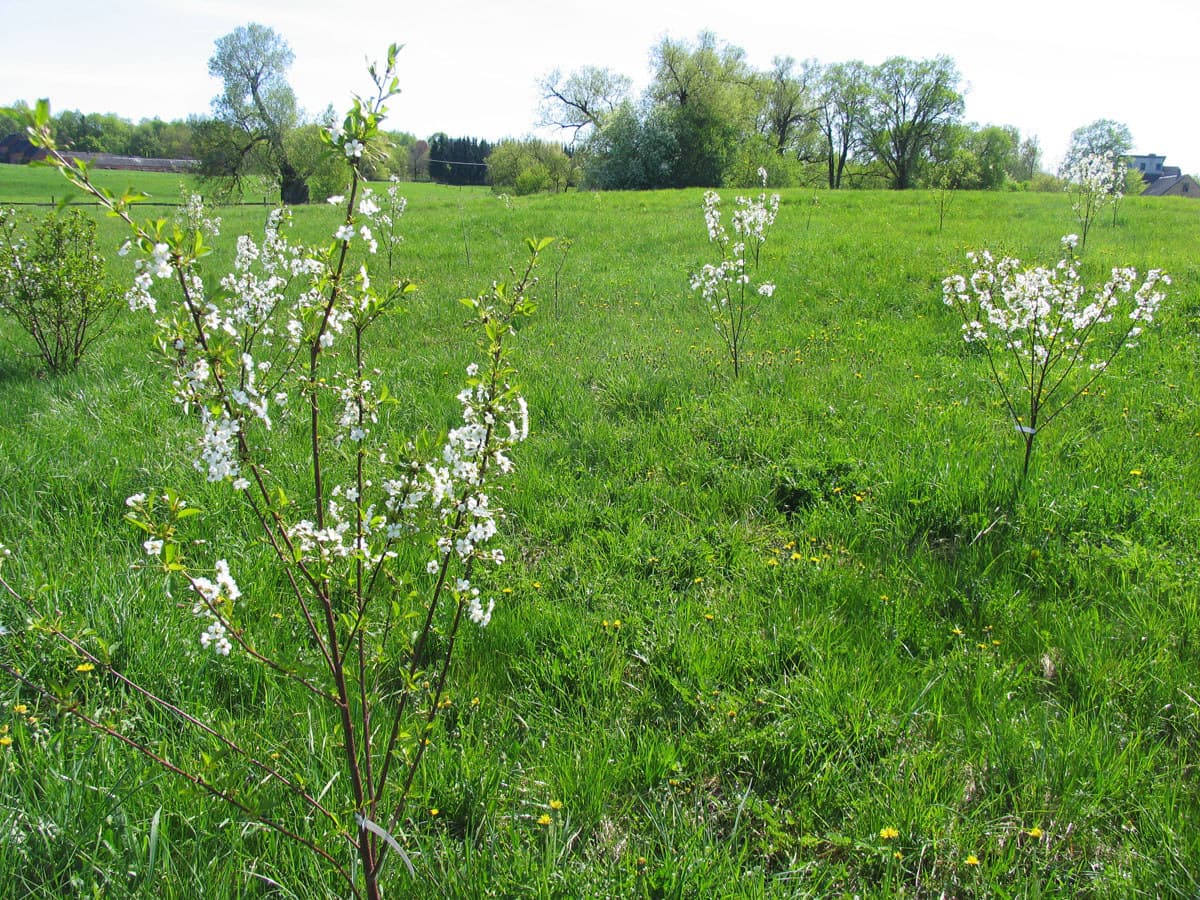
Lithuania's cherry blossom capital — the town of Žagarė bursts into spectacular pink and white bloom each May, when hundreds of cherry trees create Lithuania's answer to Japanese hanami.

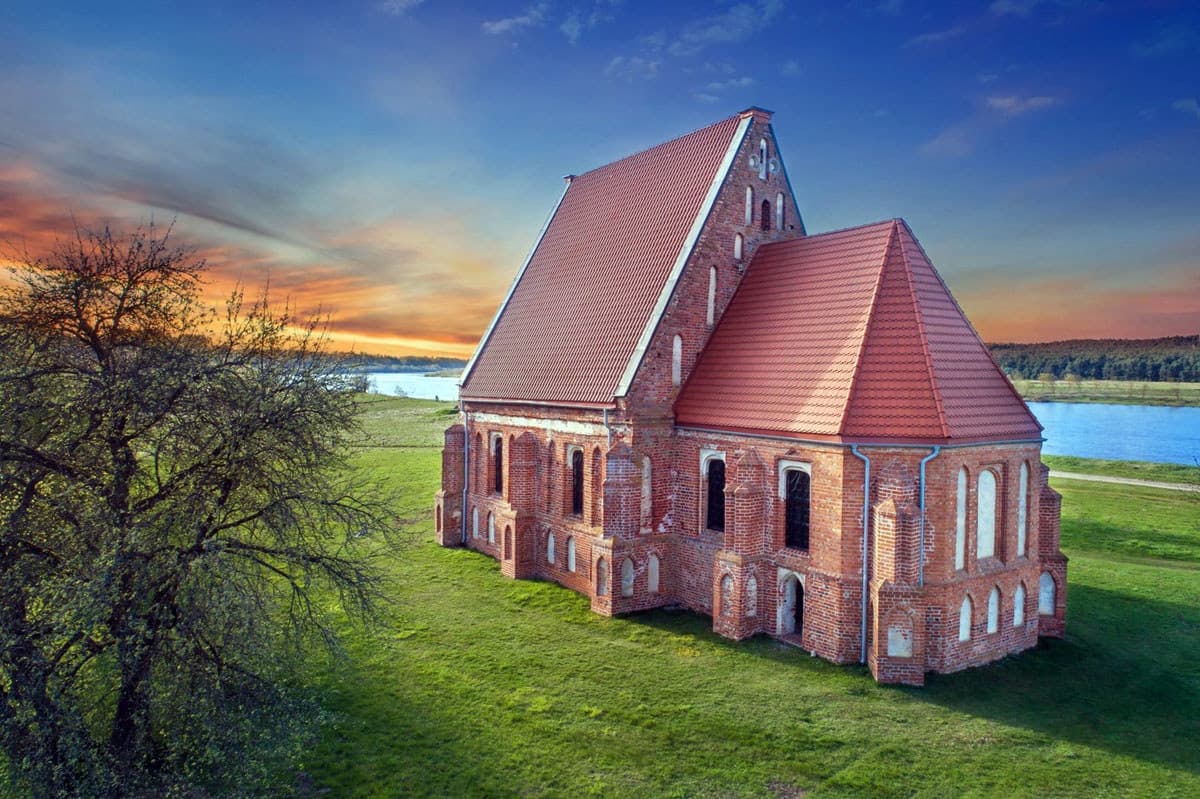
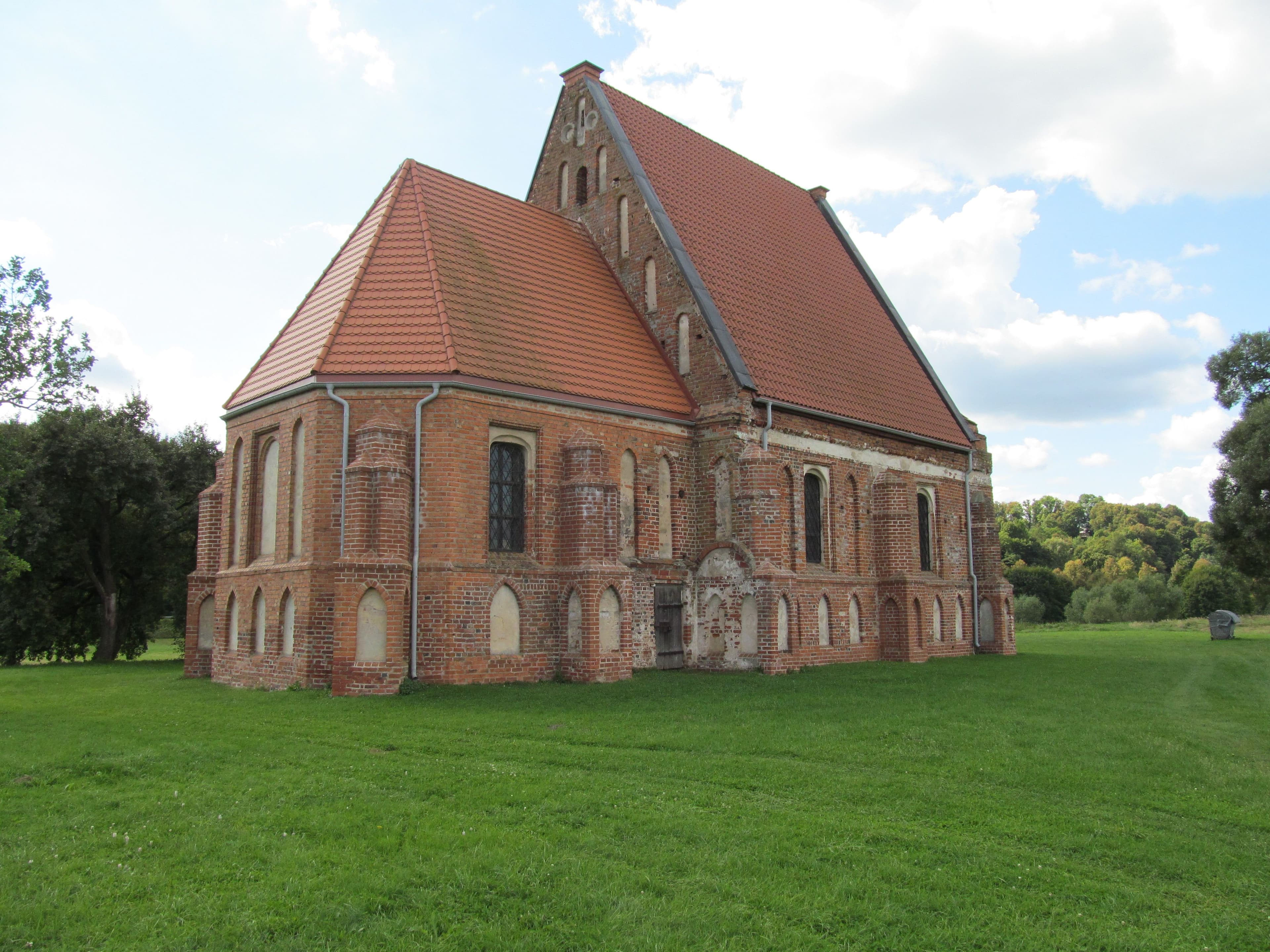
One of Lithuania's oldest Gothic brick churches, standing alone in a riverside meadow — a hauntingly beautiful 16th-century building that floods regularly from the Nemunas.

A hauntingly beautiful 15th-century Gothic church on the banks of the Nemunas River that regularly floods, creating extraordinary images of a medieval church standing in water.

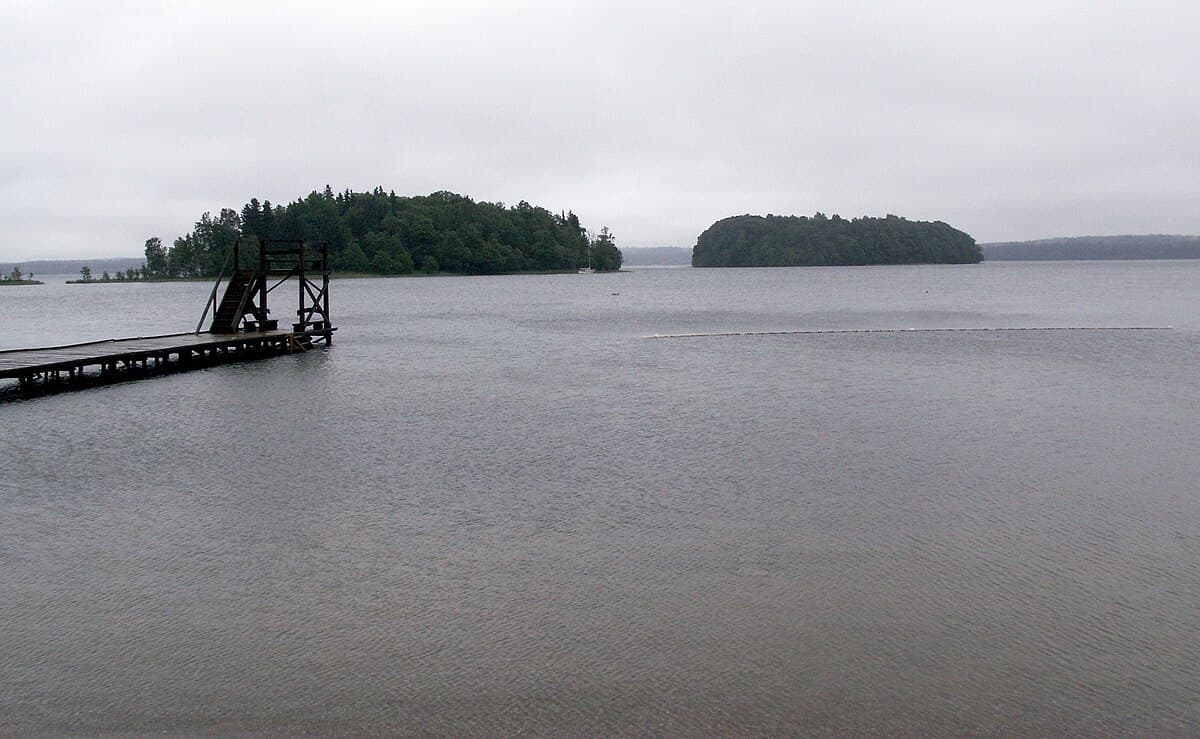
A Samogitian national park centered around the deepest lake in western Lithuania, known for mysterious legends, traditional festivals, and the secret Soviet missile base hidden in its forests.

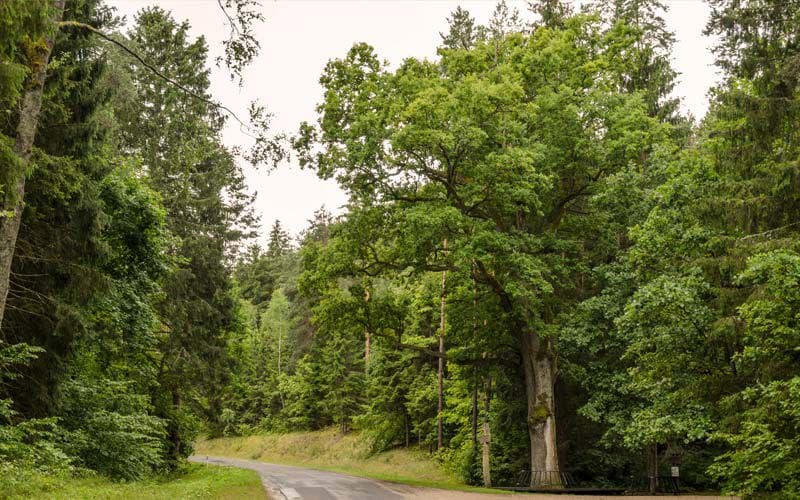
Ancient oak groves in the Samogitian highlands that were sacred to pagan Lithuanians — some of the oldest trees in the country stand in forests once used for worship and ritual.

A beautifully preserved hillfort mound in central Lithuania offering panoramic views over the Šventoji River valley — once a major defensive stronghold of the Lithuanian tribes.

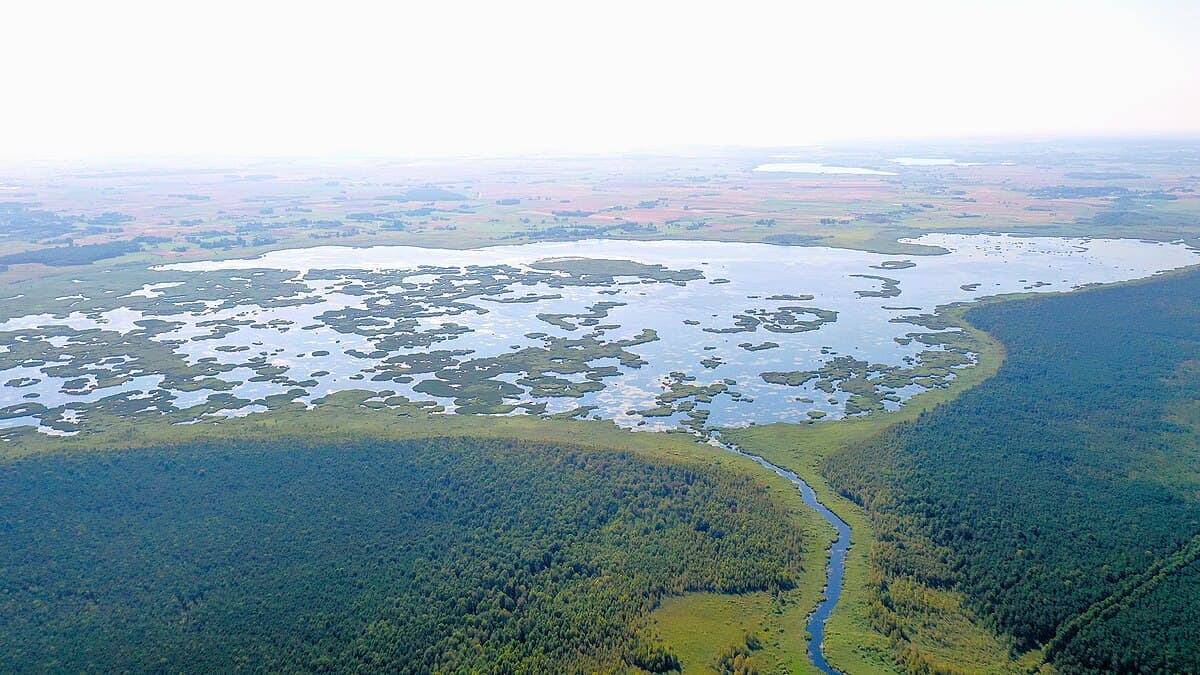
Lithuania's oldest nature reserve protecting a vast wetland ecosystem — a critical habitat for rare birds including aquatic warblers, bitterns, and thousands of nesting waterfowl.