
Martti Salmi
Tauragė
Easy access
✨ Sacred Sites
Rambynas Hill
A sacred Samogitian hill overlooking the Nemunas River and the border with Kaliningrad — once a major pagan worship site and altar of the ancient Lithuanians.
Pagėgiai1-2 hours
Lithuania was the last country in Europe to adopt Christianity, and the echoes of its ancient pagan traditions are still visible across the landscape. Sacred groves where offerings were made to the old gods, holy springs believed to have healing powers, and hill forts that served as both defensive positions and ceremonial sites dot the countryside. These places carry a palpable sense of the spiritual, connecting visitors to traditions that stretch back thousands of years.
18 locations in this category
A sacred Samogitian hill overlooking the Nemunas River and the border with Kaliningrad — once a major pagan worship site and altar of the ancient Lithuanians.

An extraordinary pilgrimage site where hundreds of thousands of crosses, crucifixes, and rosaries have been placed on a small hill, creating one of the world's most powerful spiritual landscapes.

The legendary gathering place of Lithuanian witches, rising 228 meters above the Samogitian highlands — a mystical hill steeped in pagan folklore and solstice traditions.
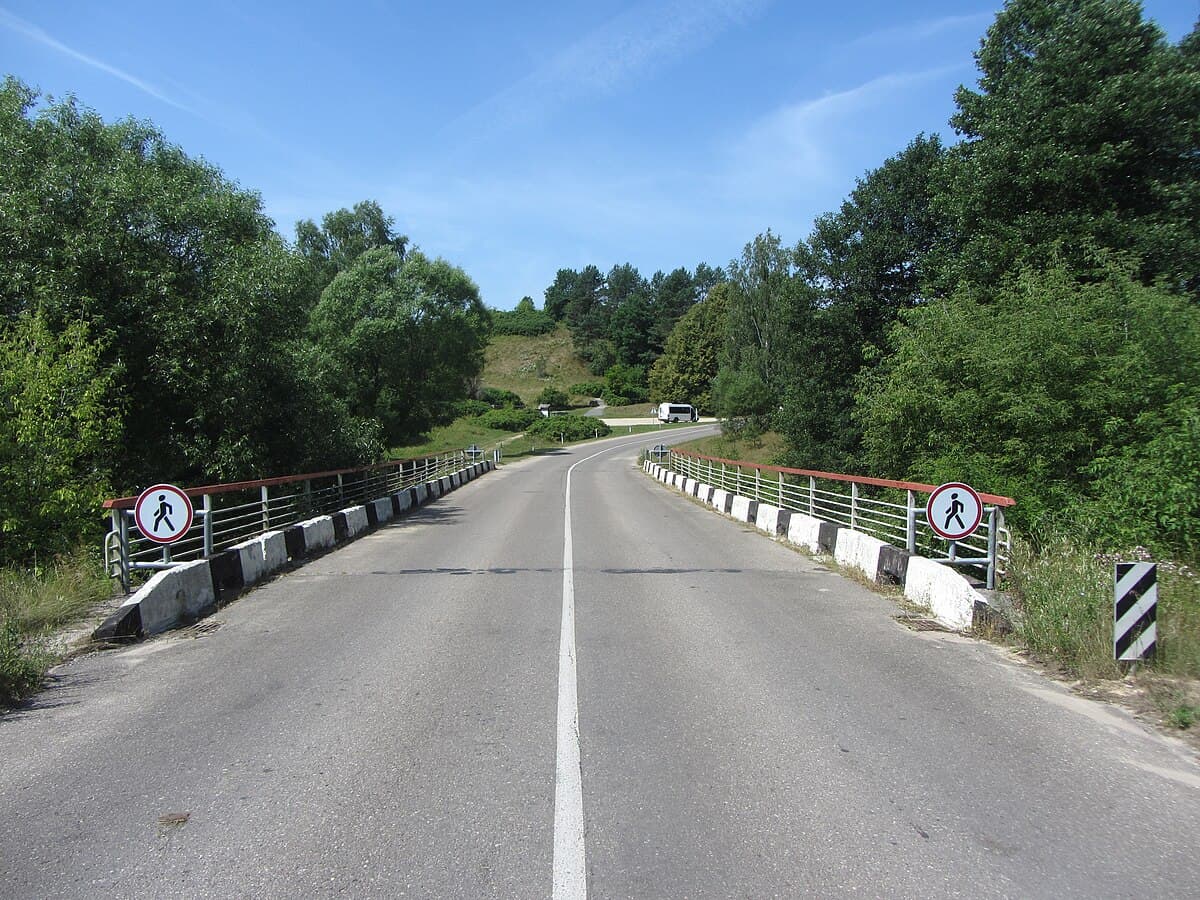
A beautifully restored Dominican monastery perched above the Nemunas River in Dzūkija, featuring stunning baroque frescoes and panoramic views over the forested river valley.
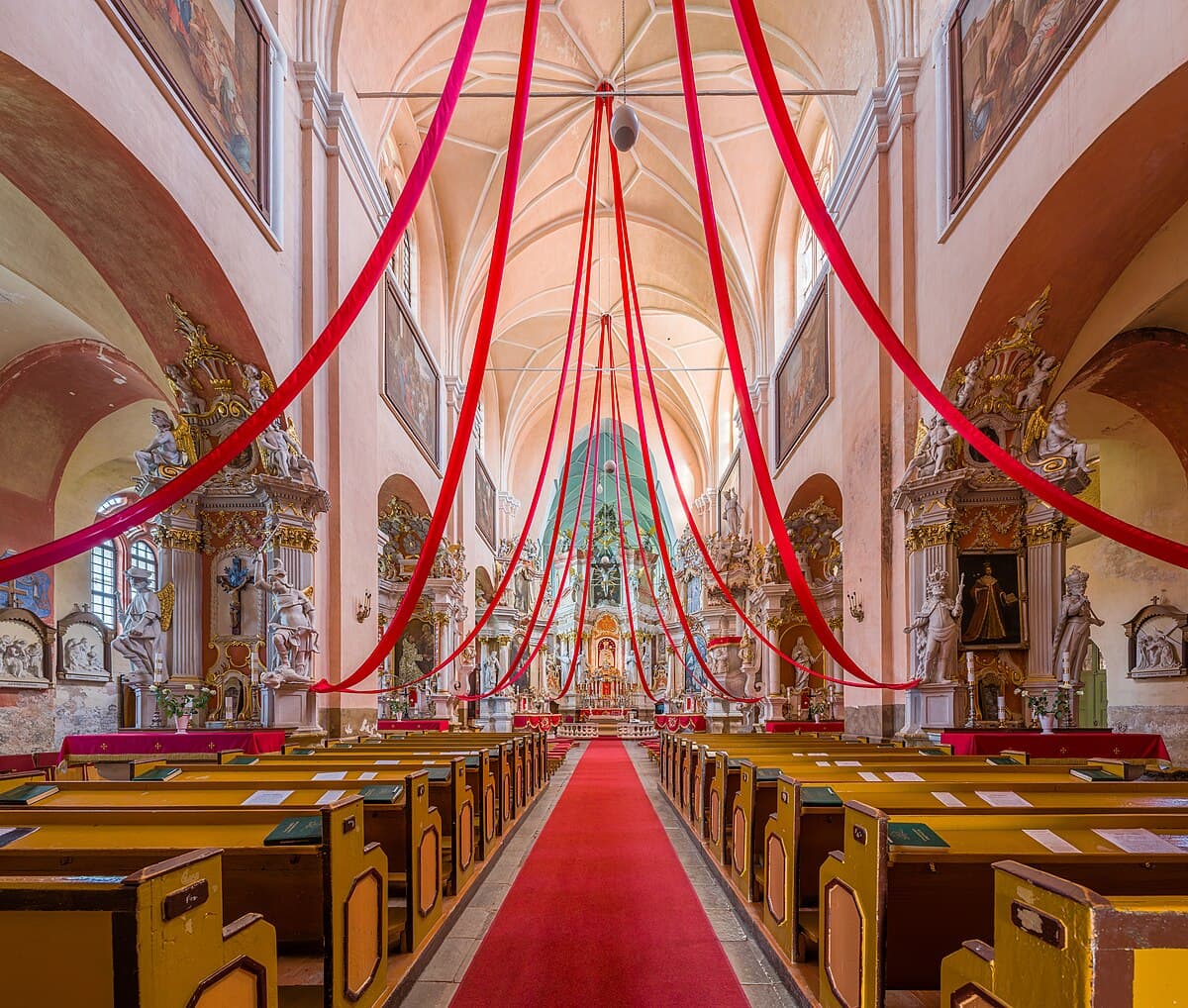
A beautifully preserved Bernardine monastery complex from the 17th century, featuring a church with rare trompe-l'oeil frescoes and a peaceful cloister overlooking a lake.
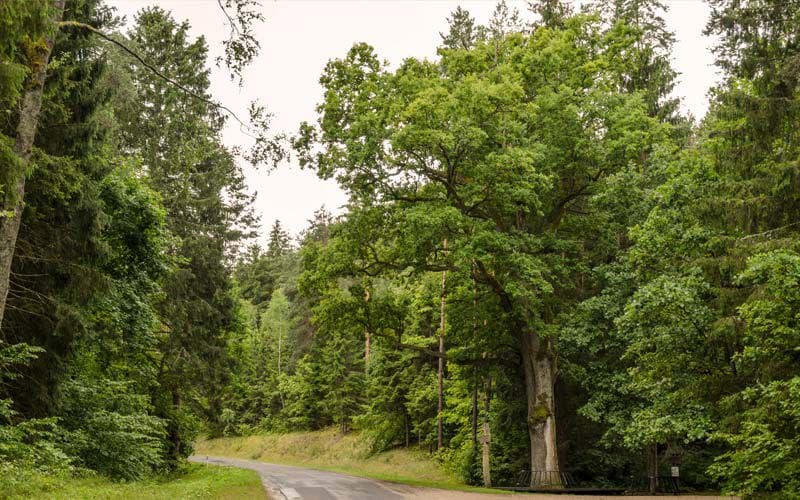
Ancient oak groves in the Samogitian highlands that were sacred to pagan Lithuanians — some of the oldest trees in the country stand in forests once used for worship and ritual.
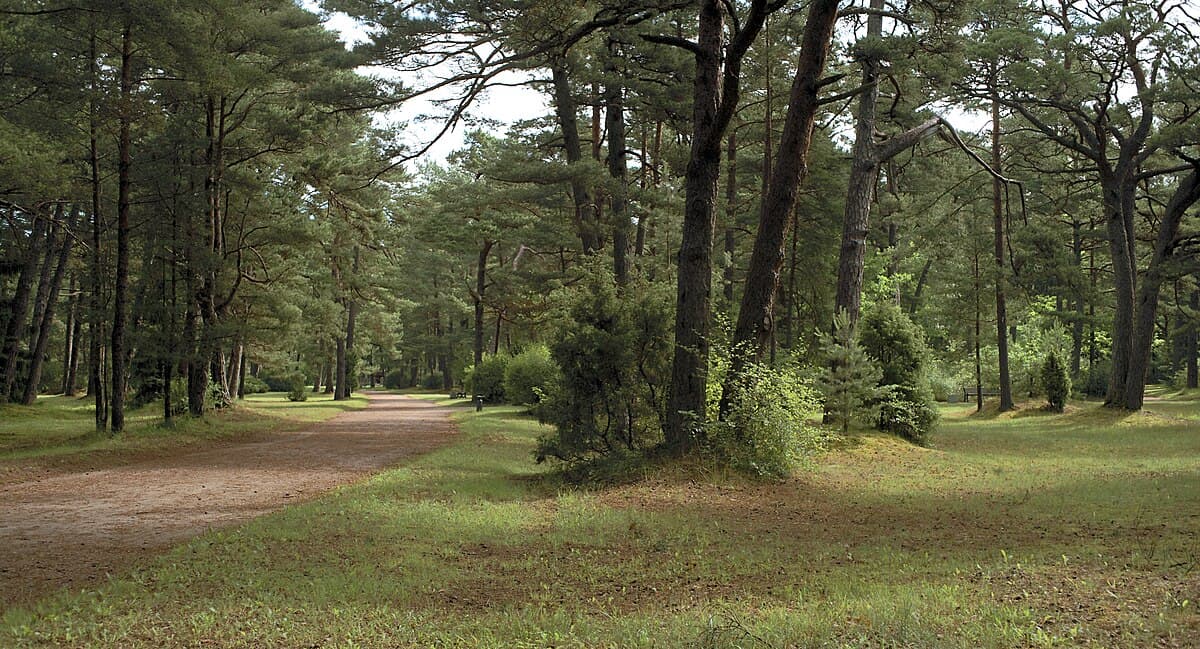
A sacred hill in Palanga's botanical park where the legendary pagan priestess Birutė once tended the eternal flame — now a peaceful hilltop with a chapel and views over the Baltic.

Lithuania's most important Marian pilgrimage site — where the Virgin Mary reportedly appeared in 1608, making it one of Europe's earliest recorded Marian apparitions.

A beloved Lithuanian Marian pilgrimage site in the Dzūkija region, centered around a 17th-century icon of the Virgin Mary said to have miraculous properties.
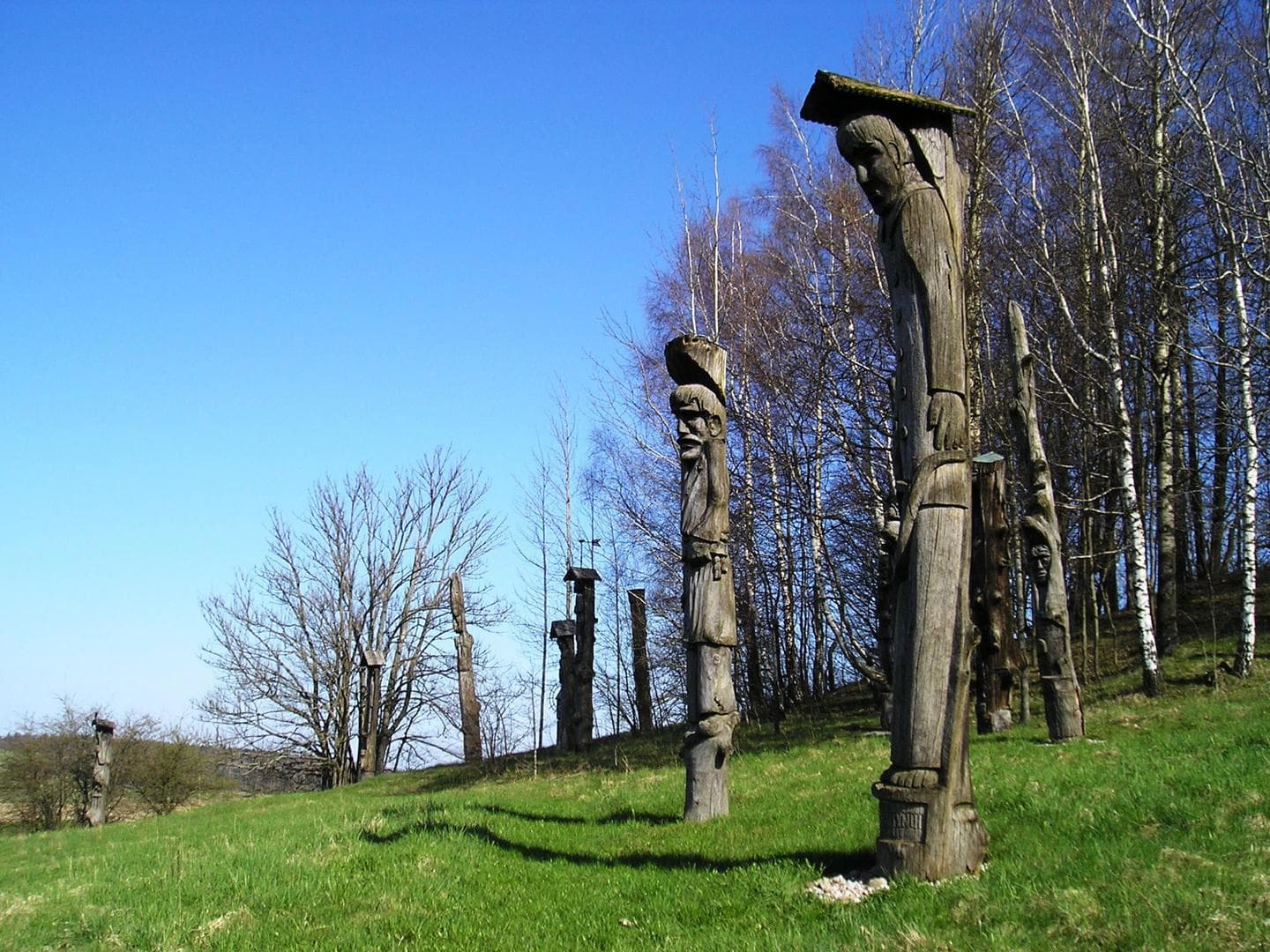
A haunting memorial site in western Lithuania where the entire male population of Ablinga village was massacred by Nazi forces in 1941 — marked by wooden sculptures and a solemn remembrance mound.
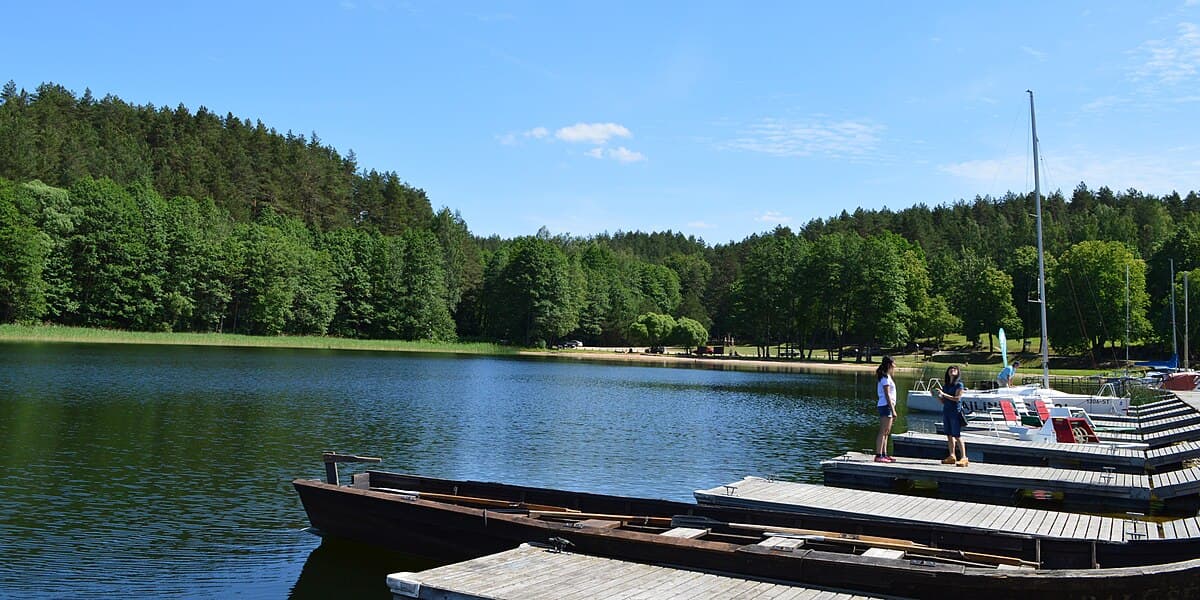
One of Lithuania's oldest and most beautiful wooden churches, standing on the shore of Lake Lūšiai in the heart of Aukštaitija National Park since 1750.
One of the seven sacred hills of Samogitia — a mythological mountain associated with witches, pagan rituals, and the deepest layers of Lithuanian folklore.

One of the earliest Marian apparition sites in Europe, predating Lourdes and Fatima — a major Lithuanian Catholic pilgrimage destination since the 17th century.
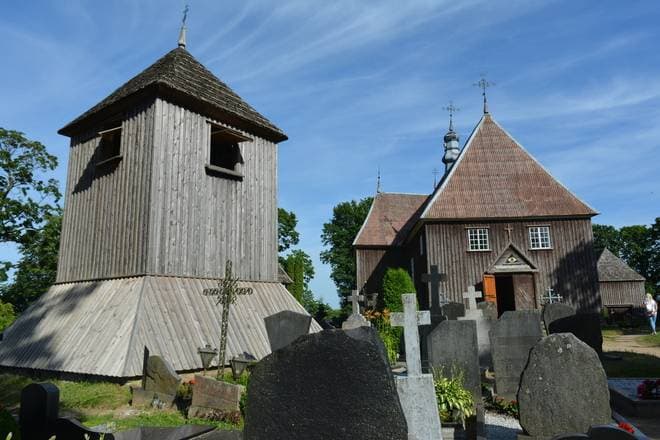
A tiny wooden chapel perched on an island in Lake Beržoras — accessible only by a narrow footbridge, creating one of Lithuania's most serene and photogenic sacred sites.
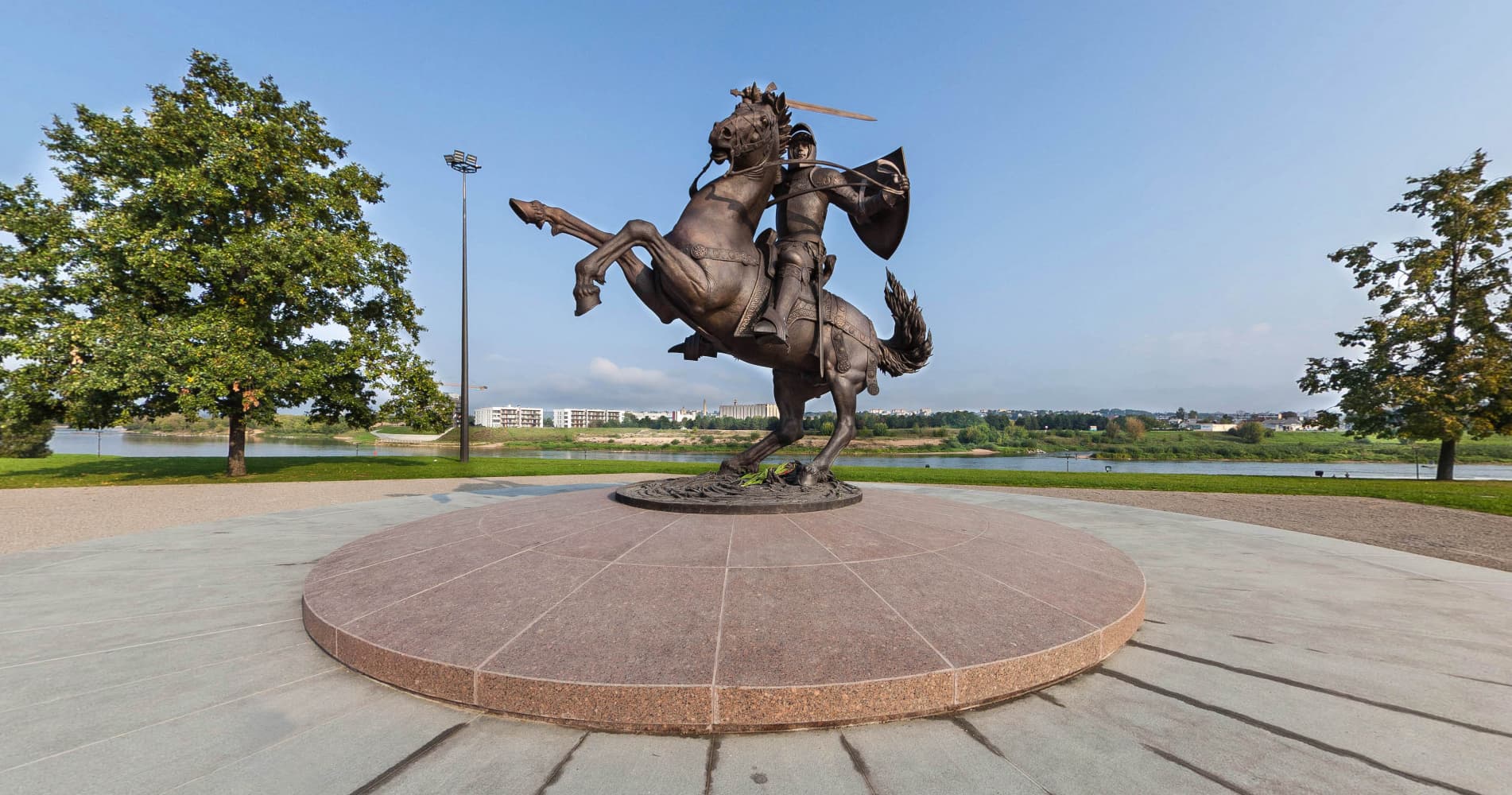
A beautifully preserved 17th-century Bernardine monastery complex — one of Lithuania's finest baroque sacred ensembles with a revered chapel of miraculous icons.
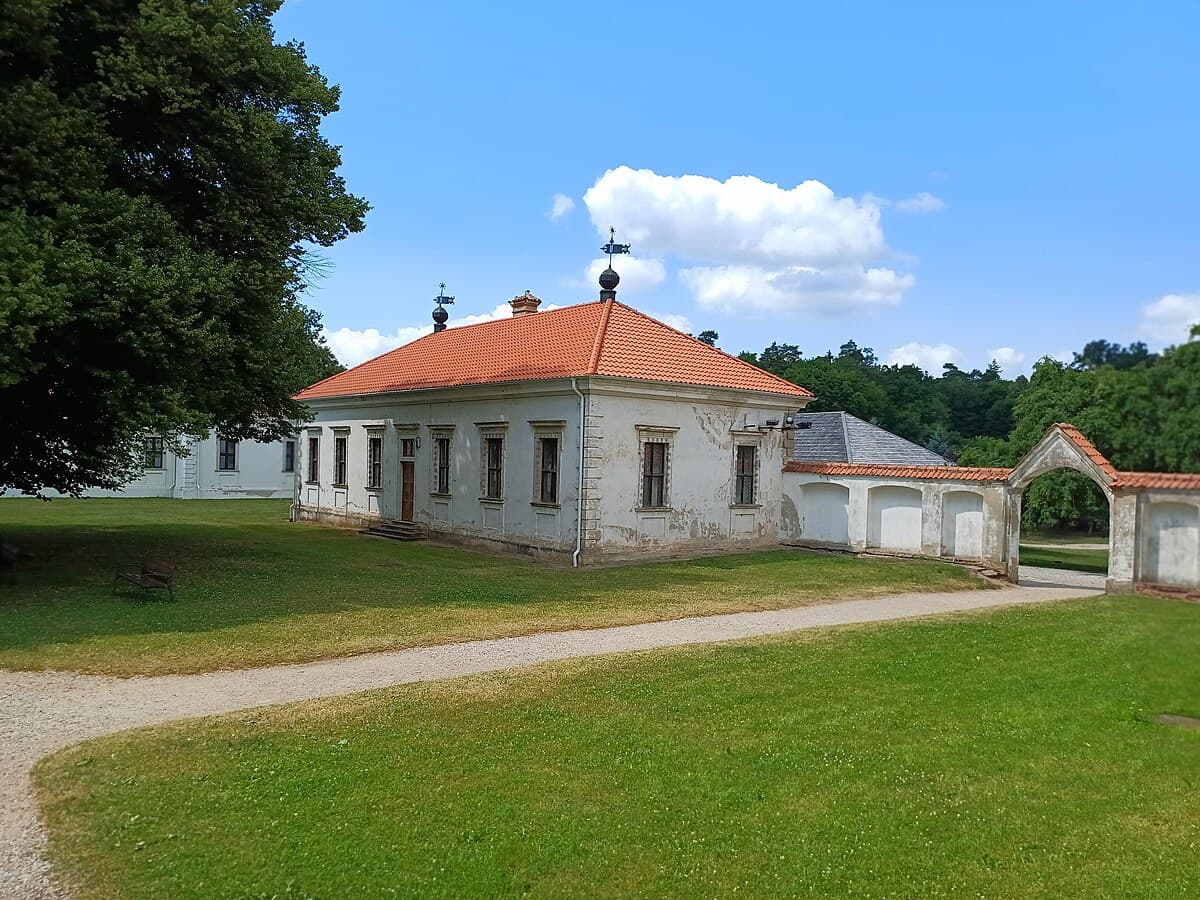
The finest example of Italian Baroque architecture outside Italy — a stunning 17th-century Camaldolese monastery complex on the shores of the Kaunas Reservoir.
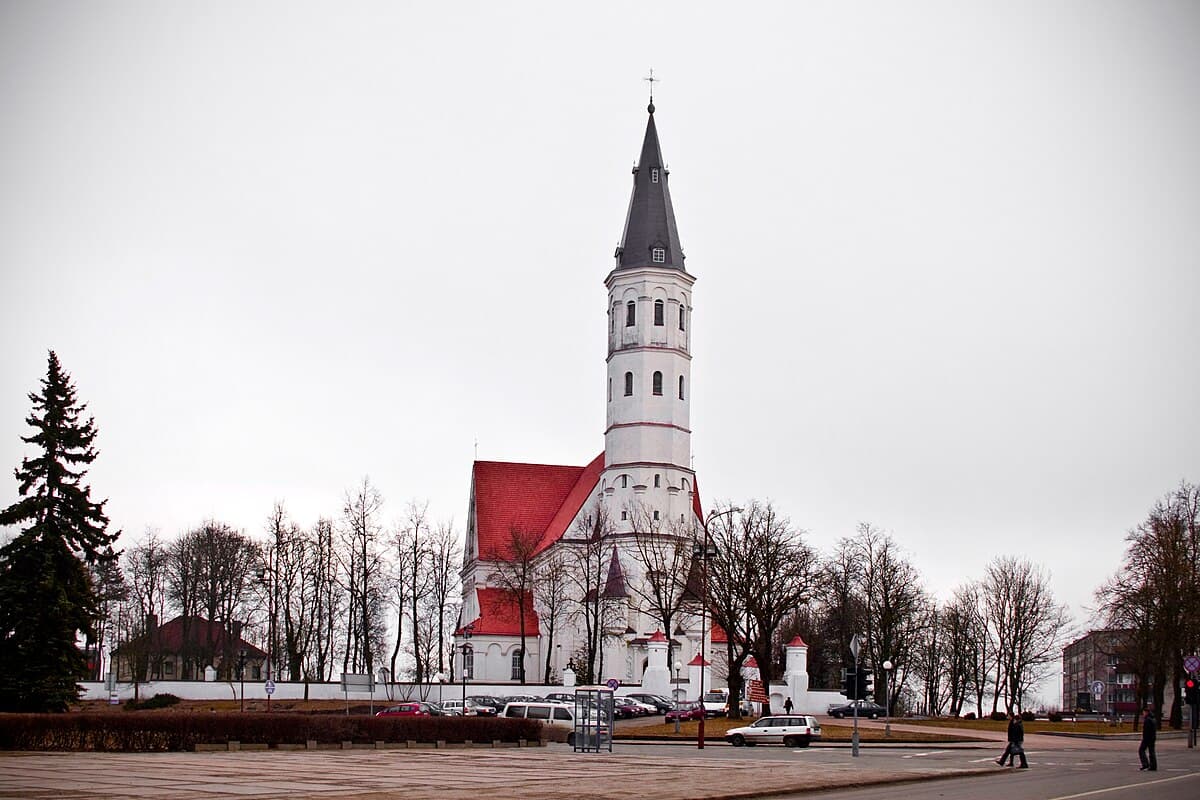
One of Lithuania's grandest Renaissance churches, with a striking tower visible across the city — a symbol of Šiauliai's resilience through centuries of destruction and rebuilding.
A beautiful baroque monastery perched above the Nemunas River in Dzūkija — with stunning frescoes, river panoramas, and a deeply peaceful atmosphere.