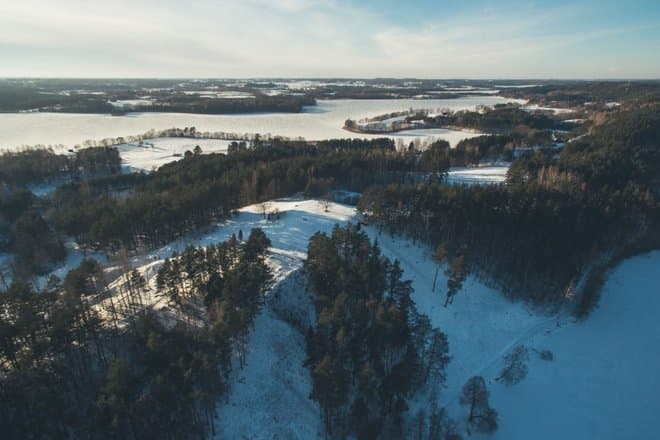
Ladakalnis Hill
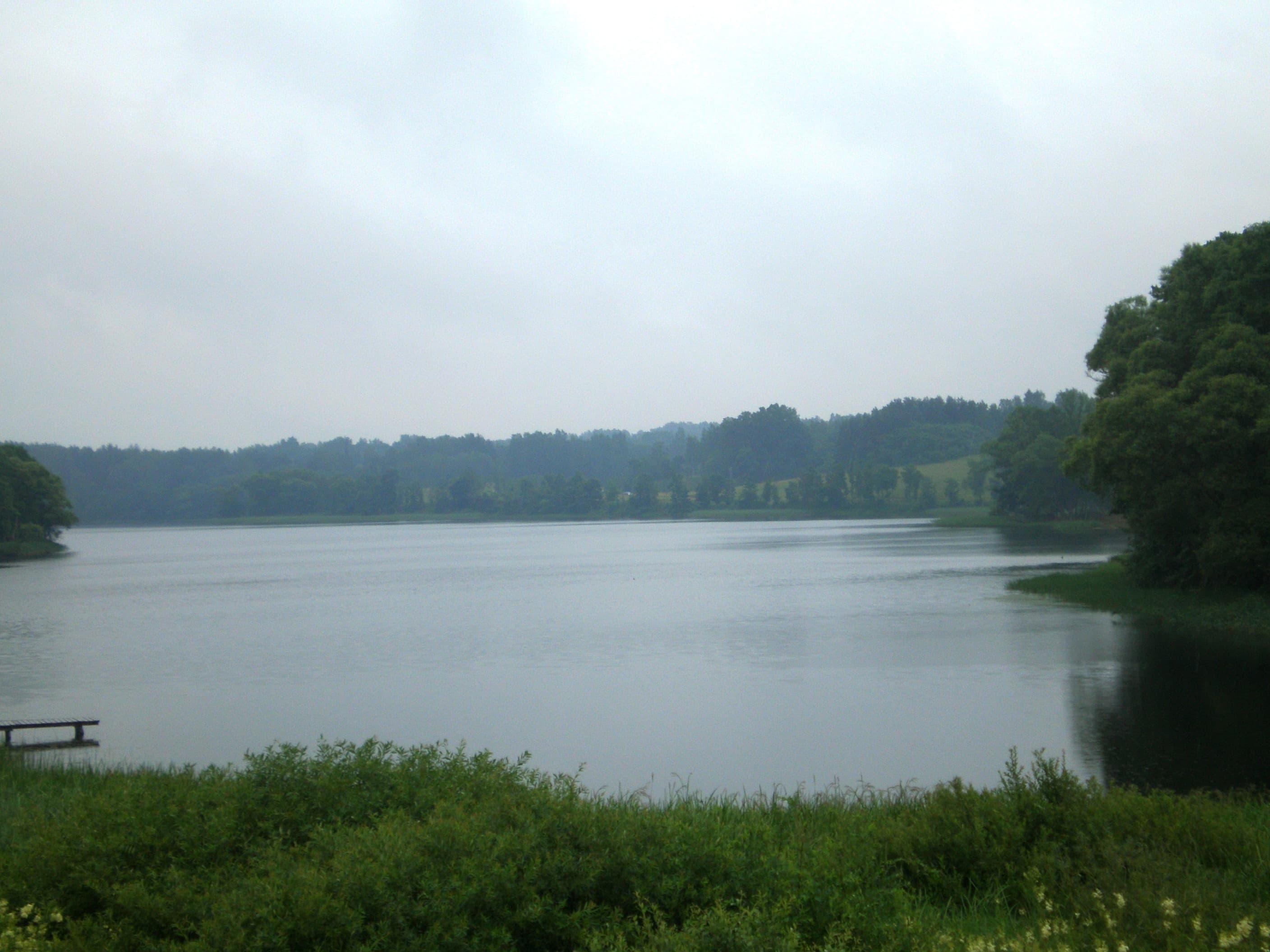
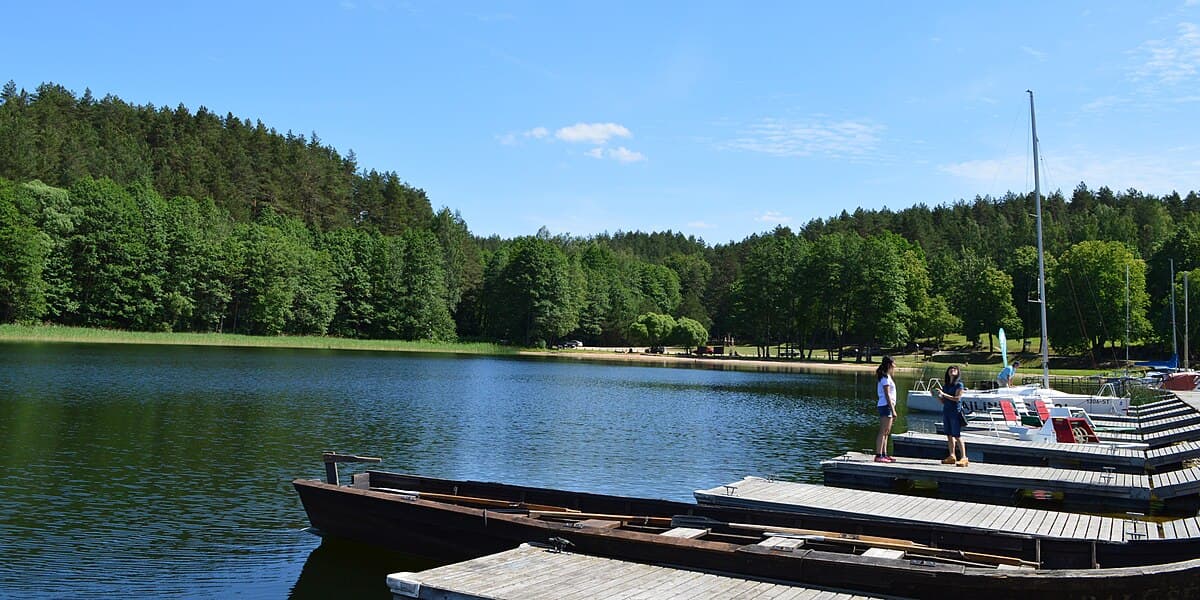
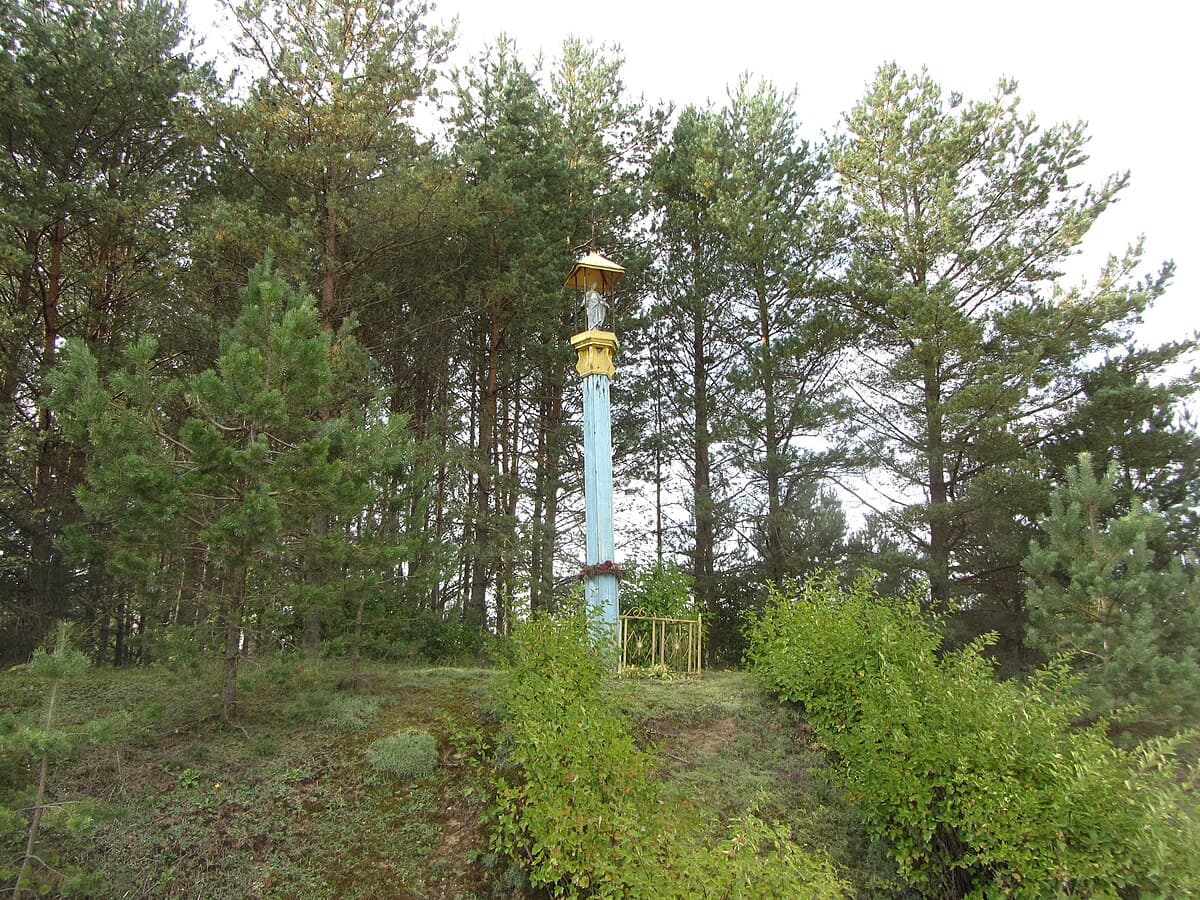
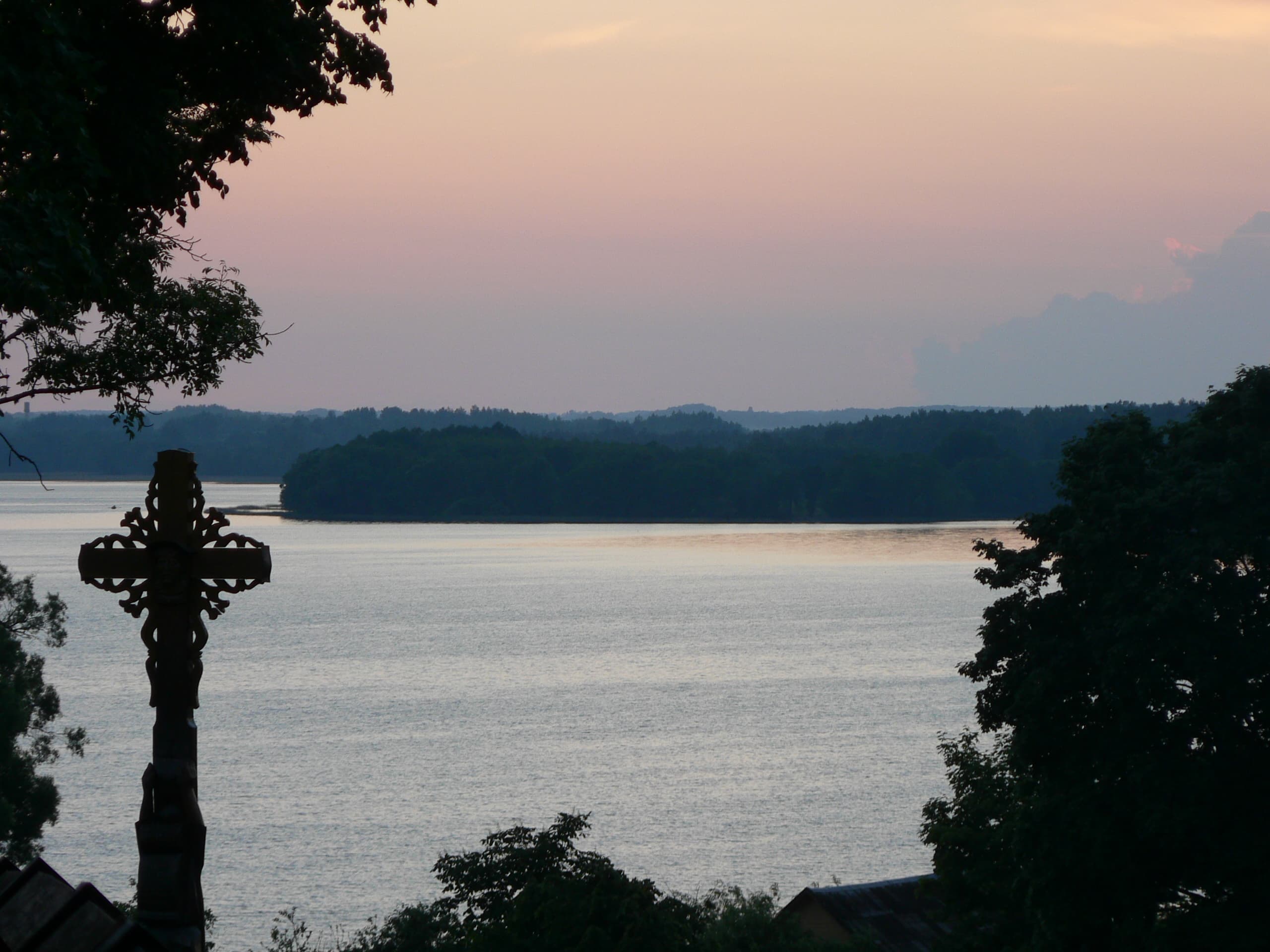
A sacred hill in Aukštaitija National Park offering a breathtaking 360-degree panorama of six lakes, ancient forests, and rolling hills — one of Lithuania's most beautiful viewpoints.
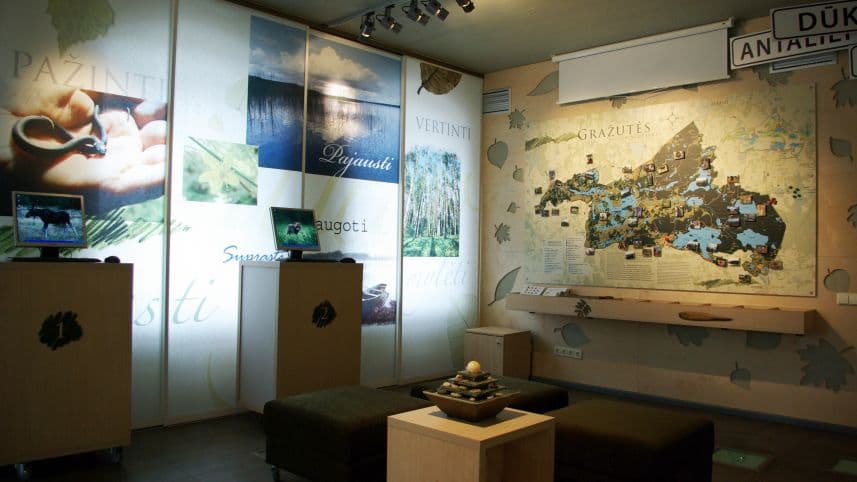
The Aukštaitija region, Lithuania's lake district with thousands of lakes and ancient forests.
25 locations found in this region

A sacred hill in Aukštaitija National Park offering a breathtaking 360-degree panorama of six lakes, ancient forests, and rolling hills — one of Lithuania's most beautiful viewpoints.
A stunning elevated walkway that rises through the forest canopy to a 34-meter observation tower, offering a bird's-eye view over the Šventoji River valley and Anykščiai pine forests.

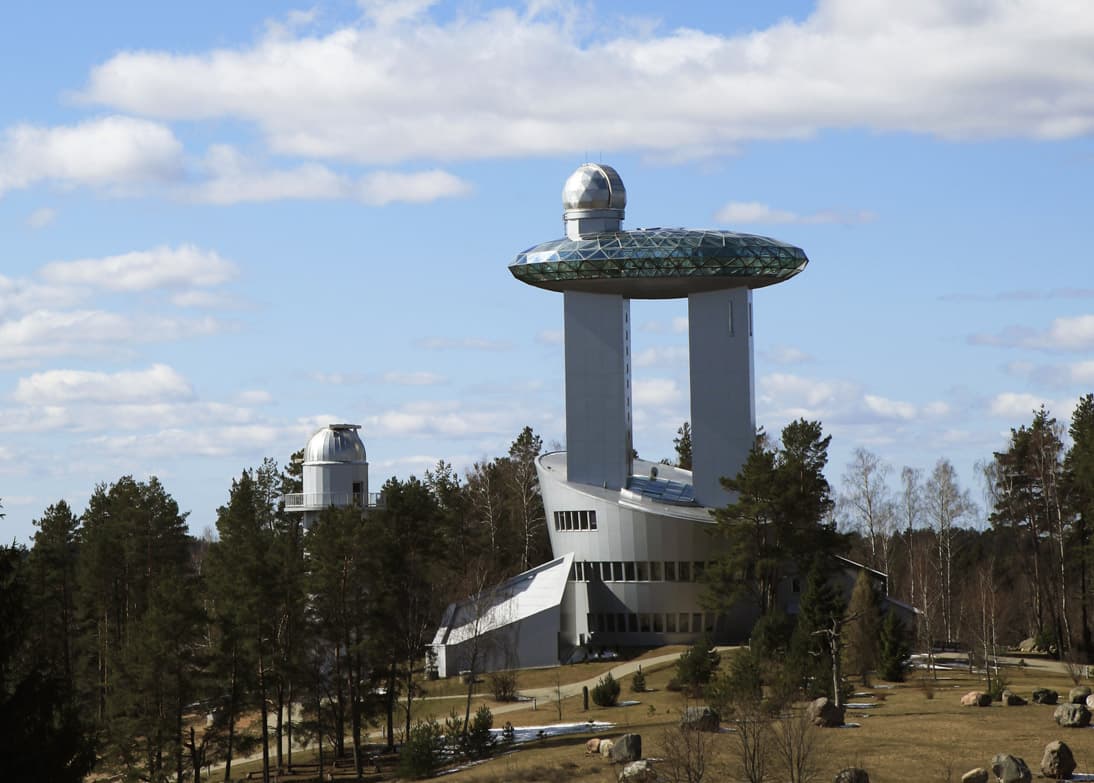
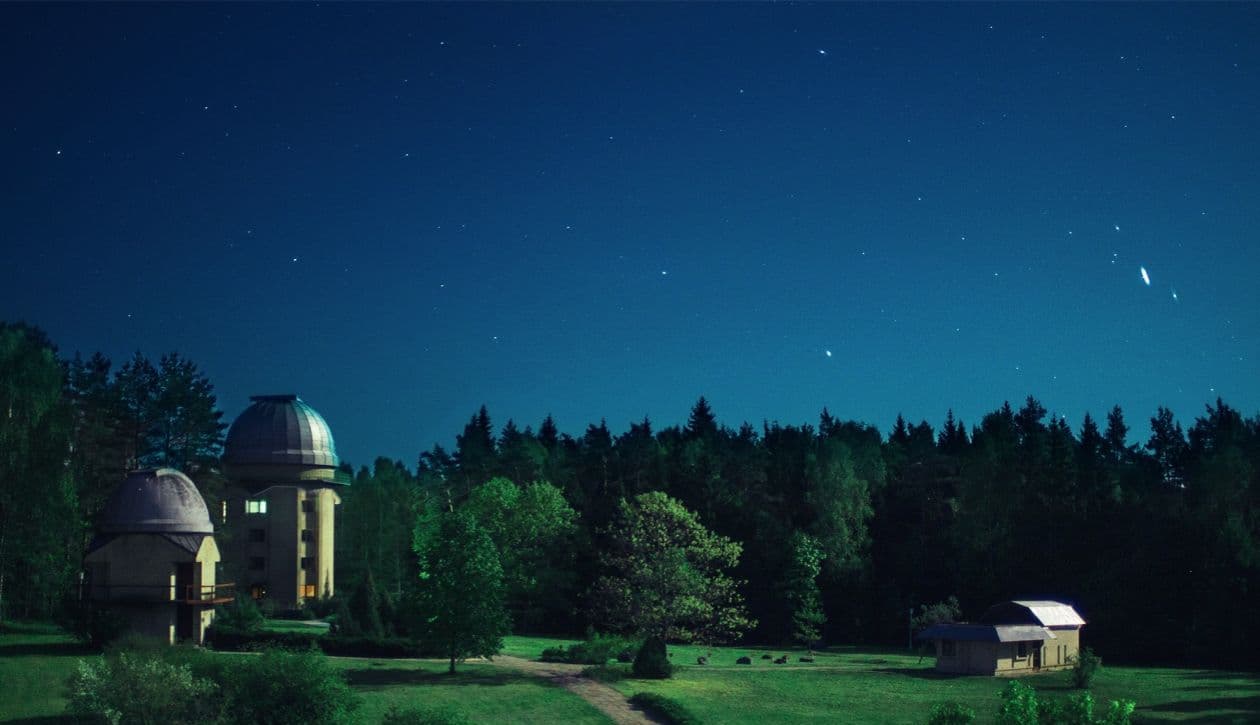
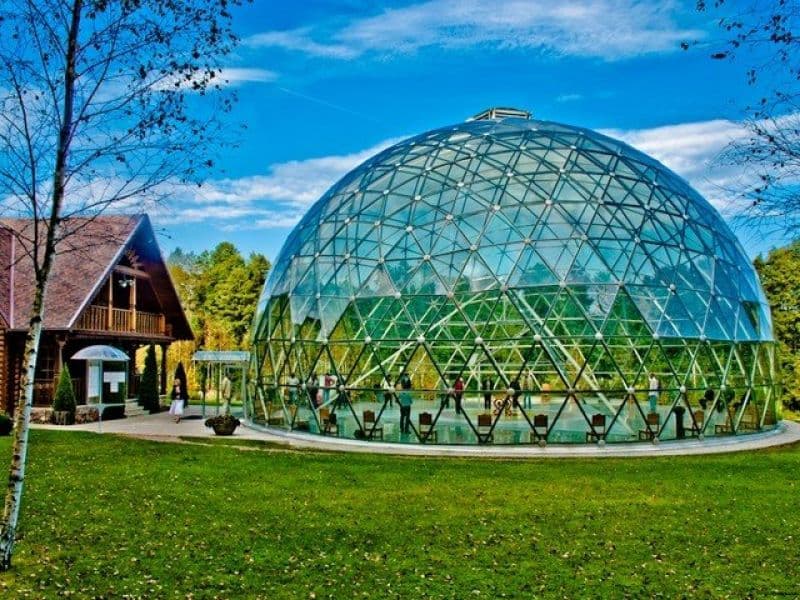
A striking modern observatory and museum in the Lithuanian countryside dedicated to humanity's relationship with the cosmos — offering stargazing sessions and exhibitions on ancient astronomical traditions.
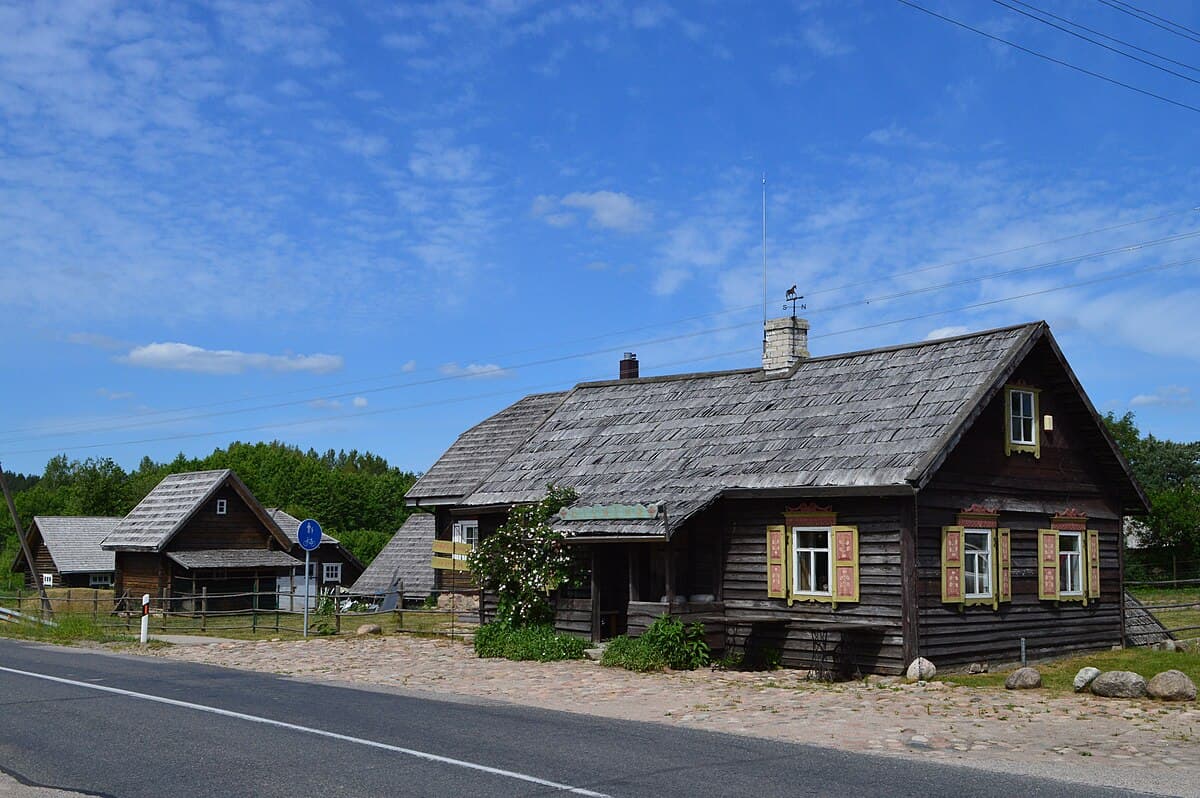
Lithuania's oldest national park, protecting ancient pine and oak forests, crystal-clear lakes, and traditional villages where beekeeping and folk traditions are preserved.

A pristine lake-and-forest landscape in northeastern Lithuania, known for its crystal-clear waters, abundant wildlife, and some of the darkest night skies in the country.

Lithuania's largest forest complex — a vast wilderness of pine, spruce, and birch covering over 55,000 hectares, famous for mushroom foraging and wolf sightings.

Lithuania's deepest lake at 60.5 meters, surrounded by pristine forests in the Aukštaitija highlands — a place of cold, crystal-clear waters and ancient legends.

One of the oldest and most beautiful wooden churches in Lithuania, standing on the shore of Lake Lūšiai in Aukštaitija National Park — a masterpiece of folk architecture.

Lithuania's greatest mushroom foraging grounds — the vast Labanoras forest becomes a pilgrimage site for thousands of Lithuanians every autumn seeking boletus, chanterelles, and dozens of other species.

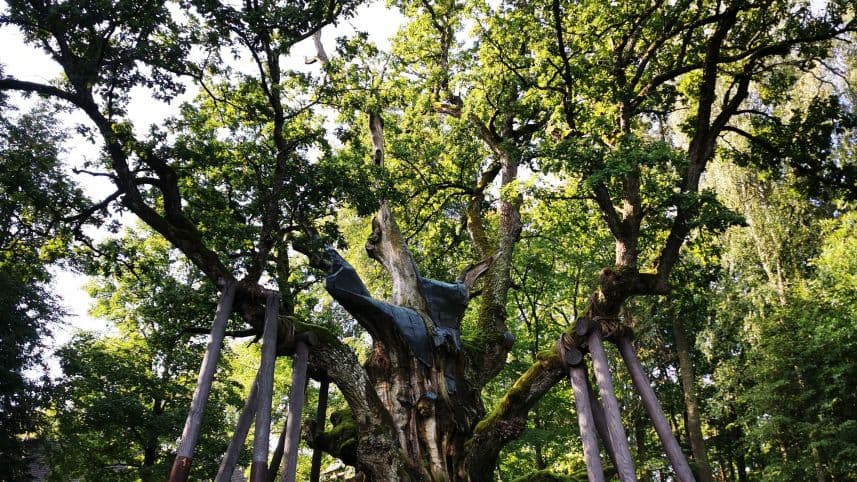
The oldest tree in Lithuania — a massive oak estimated at over 1,500 years old, standing in the churchyard of a tiny village in northeastern Lithuania near the Latvian border.

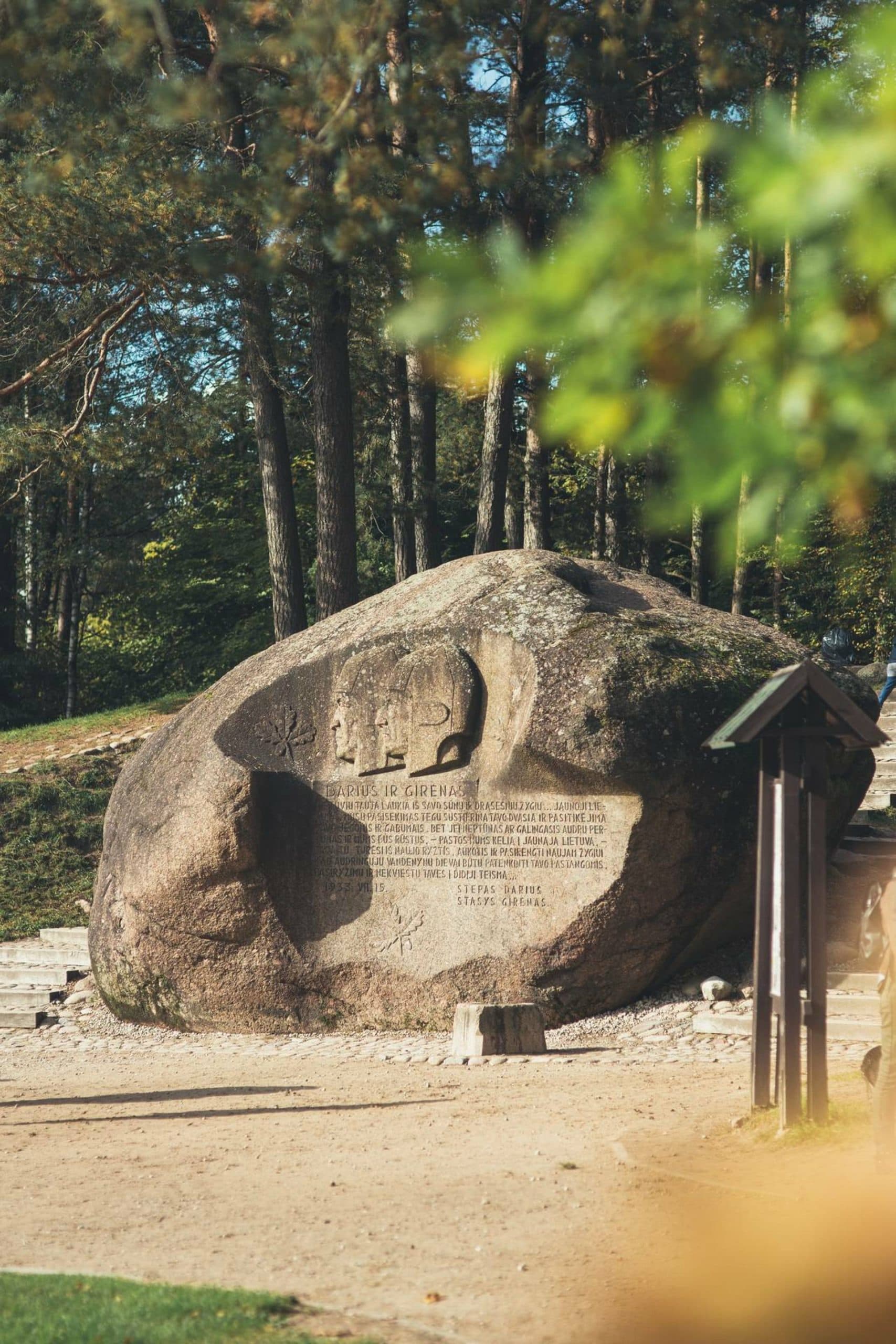
Lithuania's second-largest glacial boulder, standing in the Anykščiai forest with bas-reliefs of legendary Lithuanian pilots Darius and Girėnas carved into its face.

A beautiful swimming lake near Anykščiai with sandy shores and clean water — a favorite local summer retreat surrounded by forests and far from tourist crowds.
Lithuania's famous treetop walkway — a 300-meter elevated path through the forest canopy culminating in a 34-meter observation tower shaped like a DNA helix.

One of Lithuania's oldest and most beautiful wooden churches, standing on the shore of Lake Lūšiai in the heart of Aukštaitija National Park since 1750.

A sacred hilltop in Aukštaitija National Park offering a legendary panorama of six lakes simultaneously — one of Lithuania's most celebrated viewpoints.

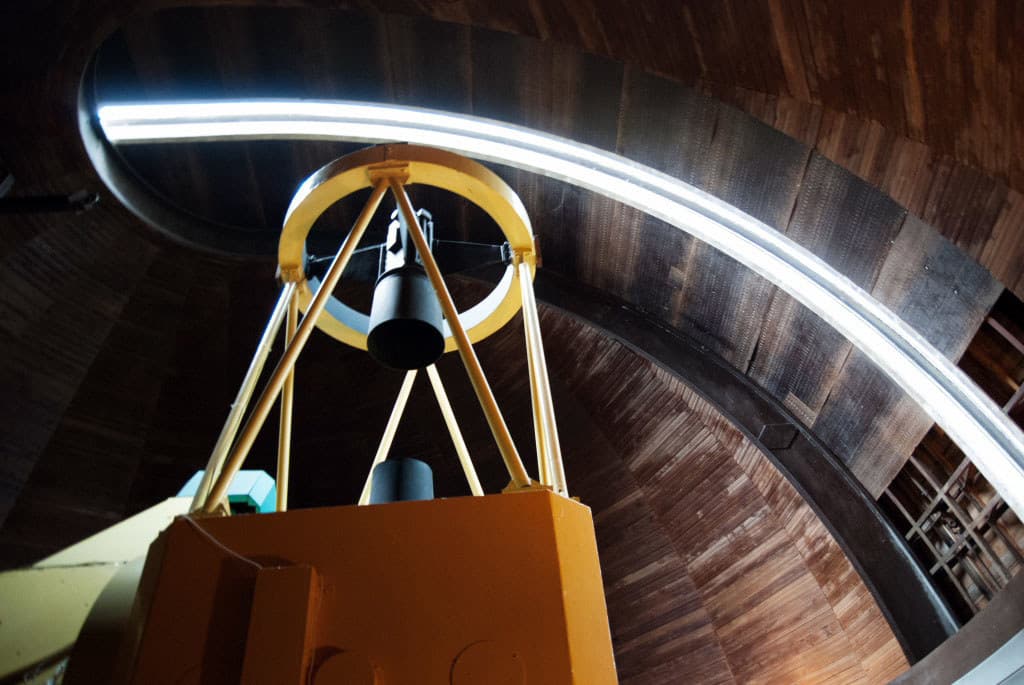
Lithuania's premier stargazing facility in Aukštaitija National Park — one of the darkest sky areas in the country, with a public observatory offering guided observations.

A floating wooden walkway extending over Lake Antalieptė — a serene path over the water that offers unique perspectives of the lake district landscape.

A pristine lakeland wilderness in Lithuania's far northeast — dozens of crystal-clear lakes connected by streams, surrounded by ancient forests and barely touched by tourism.

A small but fascinating museum at a railway junction town, housing vintage locomotives, rolling stock, and the story of Lithuania's railway heritage from Tsarist times through the Soviet era.

Lithuania's national astronomical observatory set among the lakes and forests of Aukštaitija — with a public planetarium and the country's most powerful telescope.

A beautifully preserved hillfort mound in central Lithuania offering panoramic views over the Šventoji River valley — once a major defensive stronghold of the Lithuanian tribes.

A mysterious stone pyramid built by a local landowner in the 19th century — standing in a field in rural northeastern Lithuania with no clear explanation for its existence.

One of Lithuania's most spectacular winter traditions — horse races held on the frozen surface of Lake Sartai each February, attracting thousands of spectators.

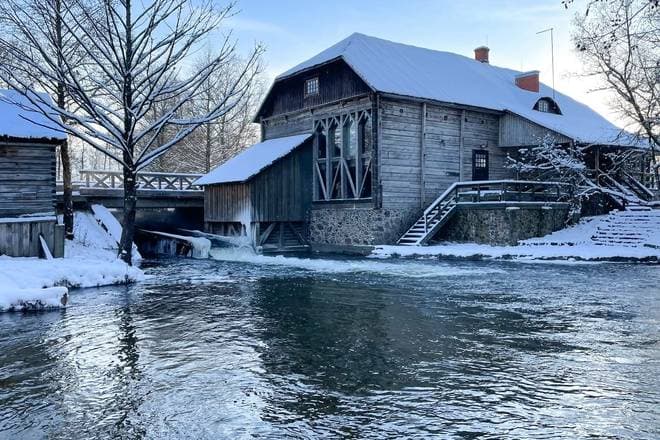
A beautifully restored 19th-century watermill in Aukštaitija National Park — the last working watermill in Lithuania, still grinding flour with water power.

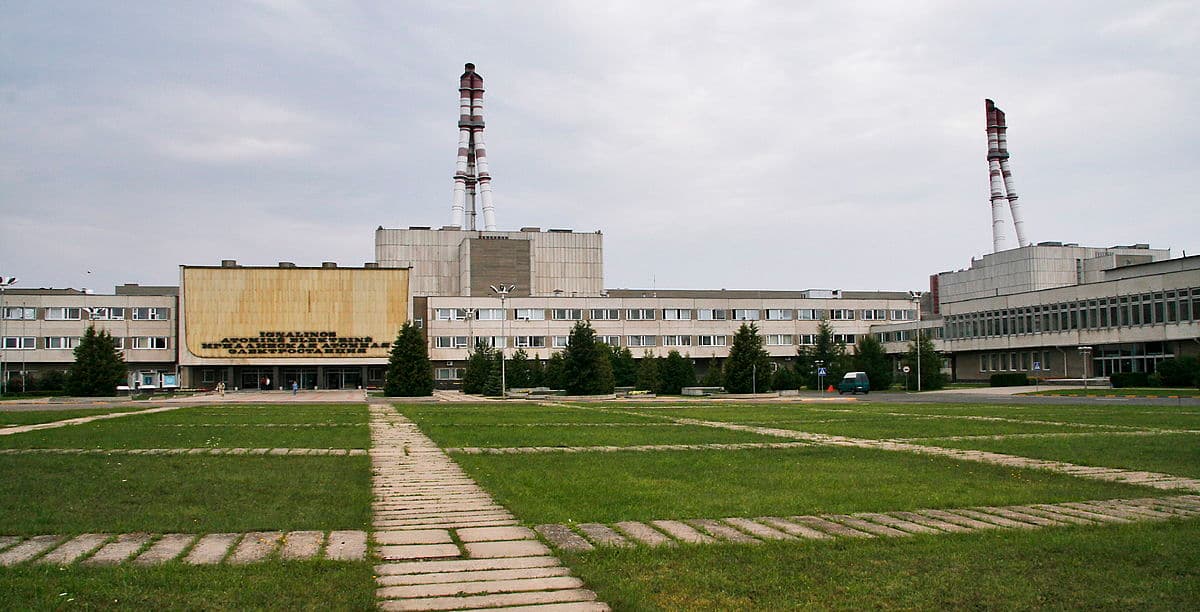
The visitor center at Lithuania's decommissioned Soviet-era nuclear power plant — twin of Chernobyl, now being safely dismantled, with educational exhibits about nuclear energy.