Kaunas Interwar Modernist Architecture
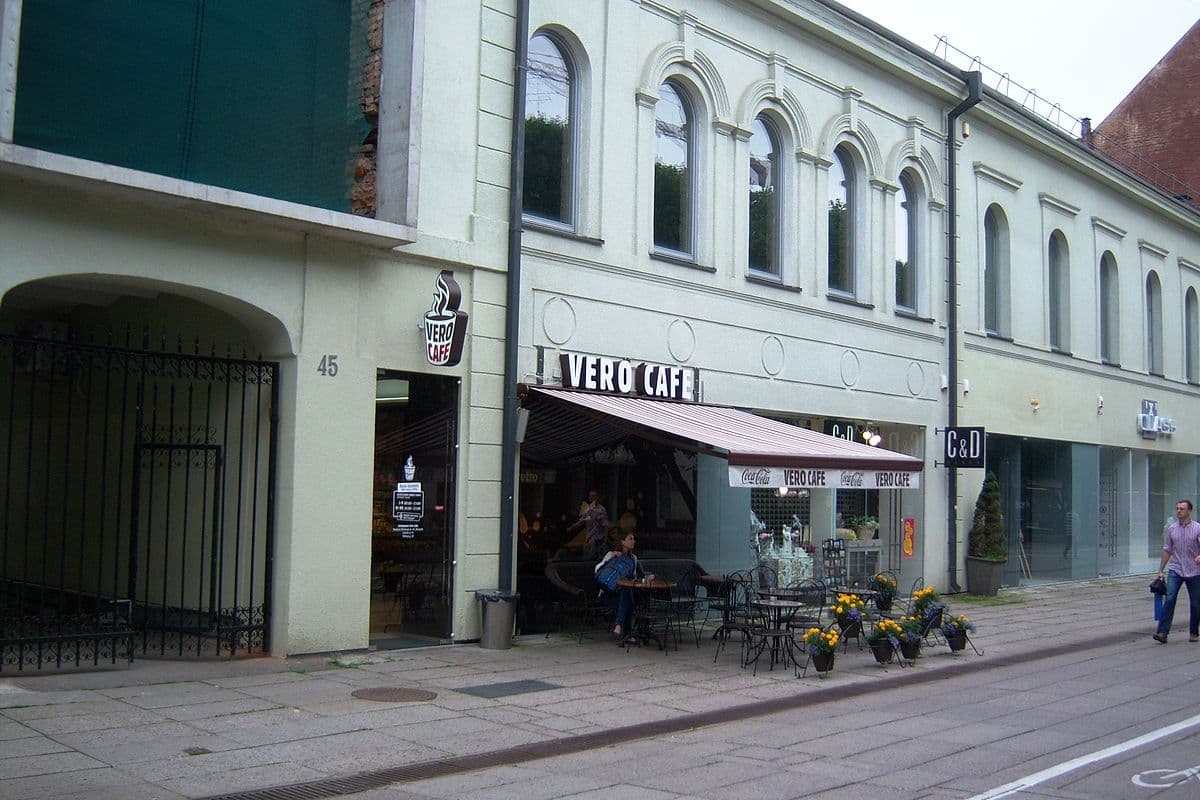
One of Europe's largest concentrations of interwar modernist architecture — over 6,000 buildings from Kaunas's era as Lithuania's temporary capital (1920-1940), earning UNESCO recognition.
Lithuania's architectural heritage spans centuries and styles, from Gothic brick churches to some of Europe's finest Art Nouveau buildings. Kaunas alone boasts one of the largest collections of interwar modernist architecture in the world. In the countryside, unique wooden churches and synagogues showcase traditional building techniques, while Soviet-era brutalist buildings have become unlikely architectural landmarks. This category celebrates the buildings that make Lithuania's built environment truly distinctive.
23 locations in this category

One of Europe's largest concentrations of interwar modernist architecture — over 6,000 buildings from Kaunas's era as Lithuania's temporary capital (1920-1940), earning UNESCO recognition.

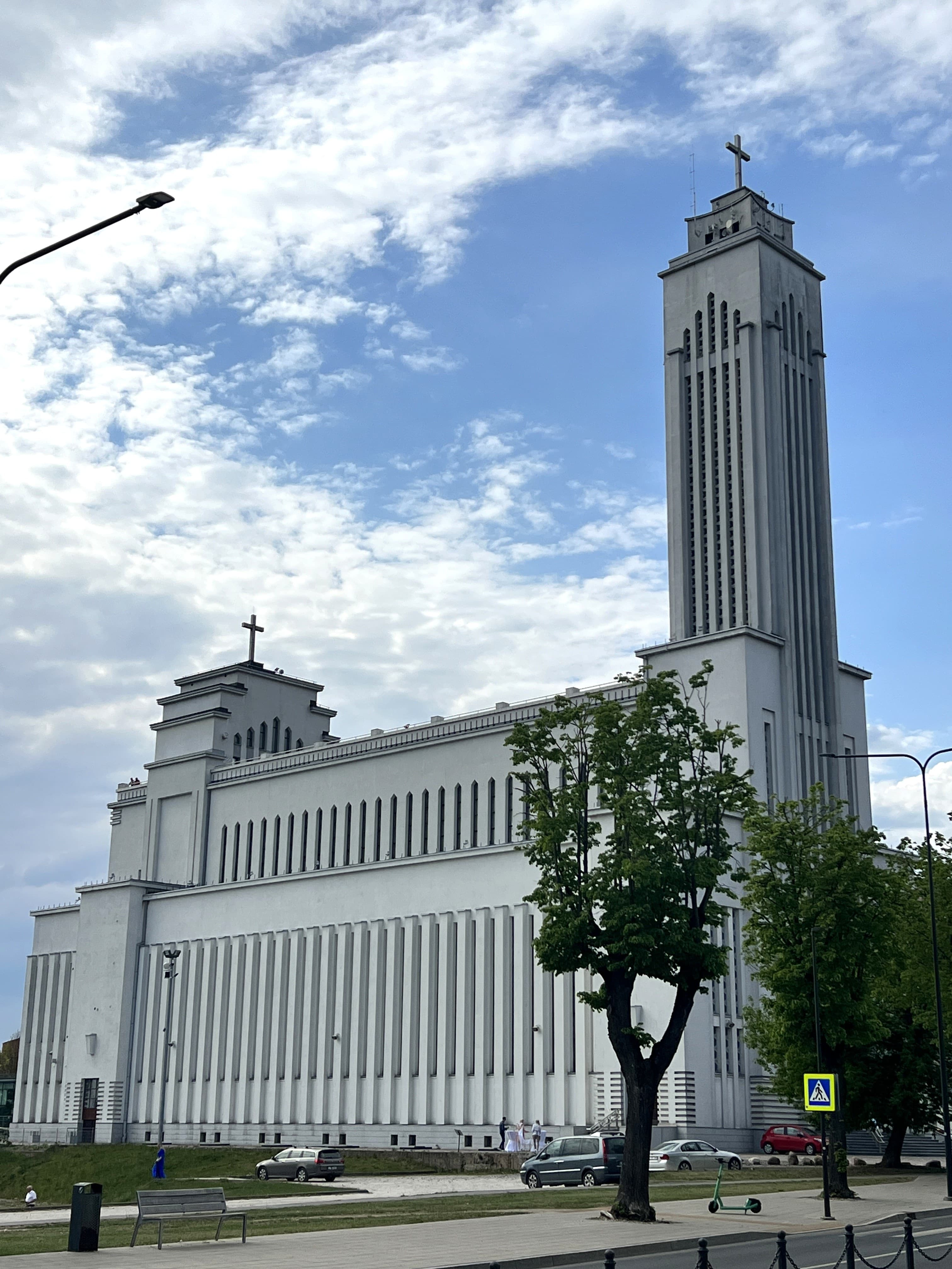
A monumental Art Deco church in Kaunas whose construction spans nearly a century — begun in 1934, used as a radio factory under the Soviets, and finally consecrated in 2004 with a rooftop terrace offering stunning city views.

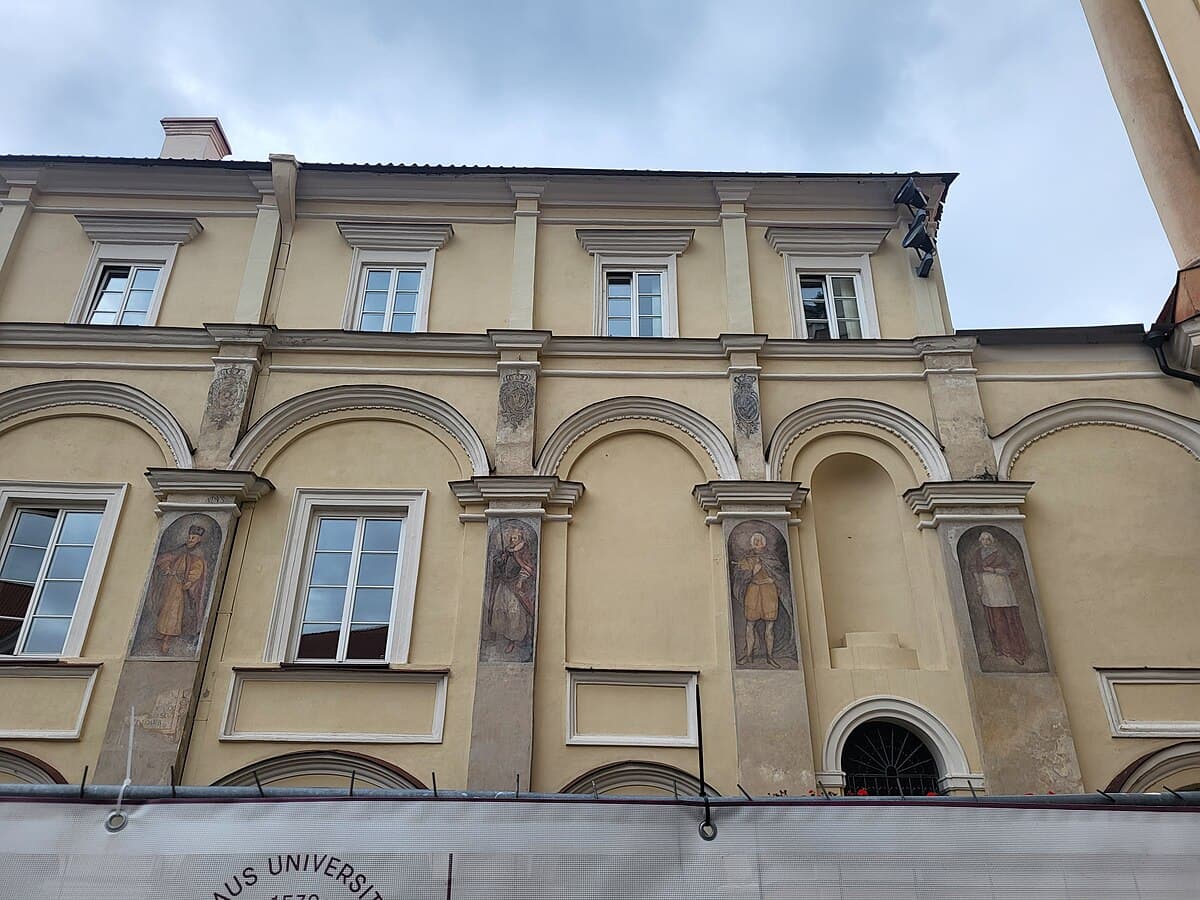
A stunning complex of 13 interconnected courtyards spanning five centuries of architecture — Gothic, Renaissance, Baroque, and Classical styles all in one living university campus.

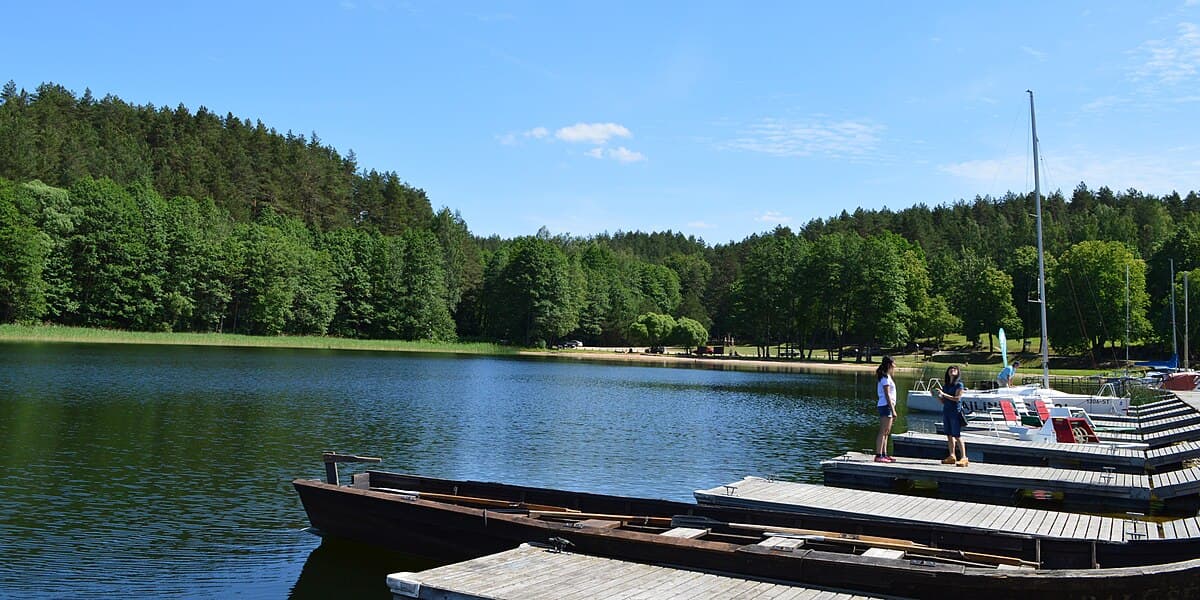
One of the oldest and most beautiful wooden churches in Lithuania, standing on the shore of Lake Lūšiai in Aukštaitija National Park — a masterpiece of folk architecture.

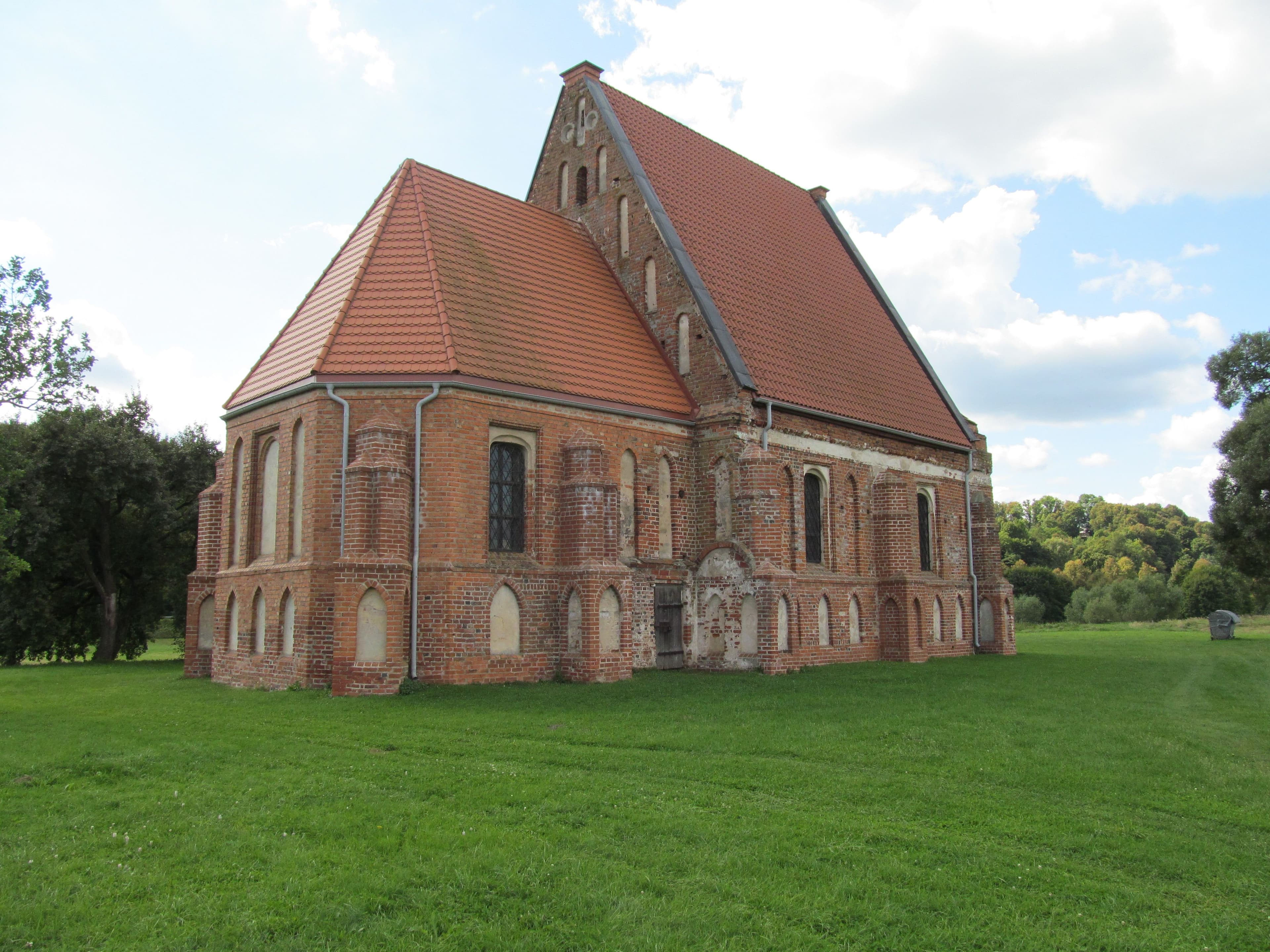
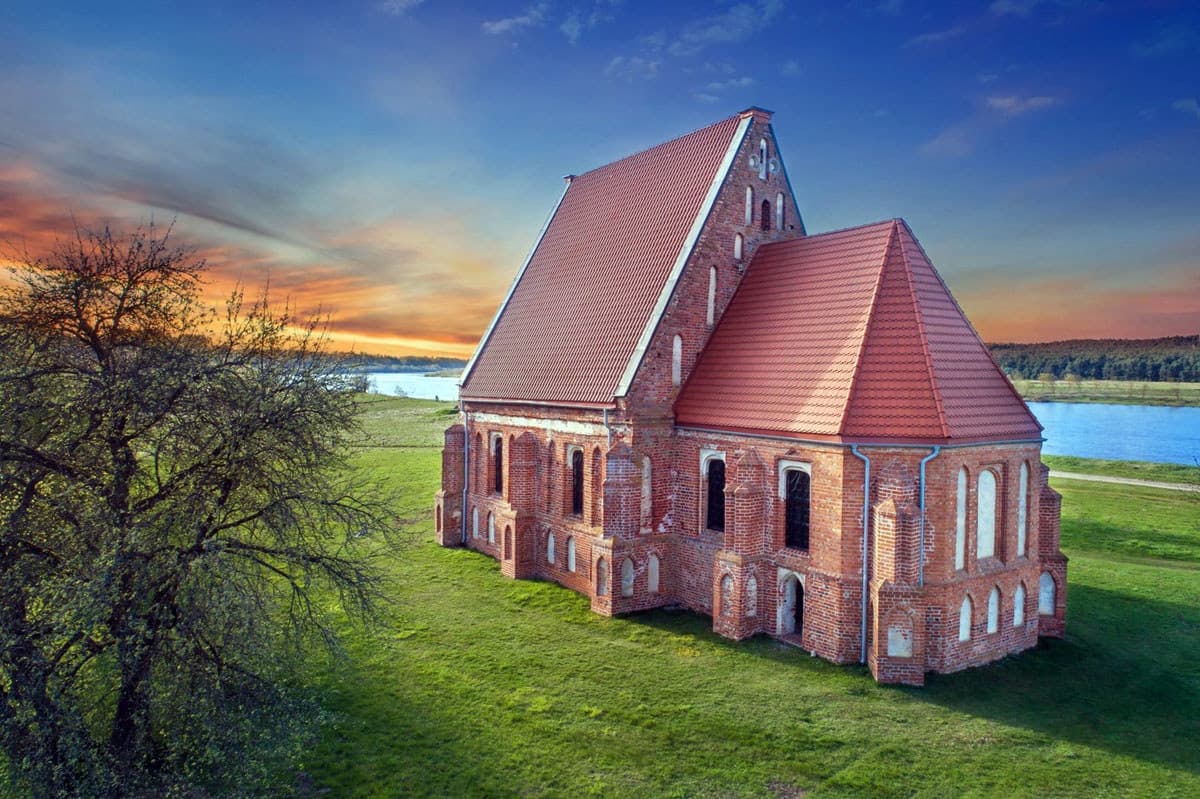
A hauntingly beautiful 15th-century Gothic church on the banks of the Nemunas River that regularly floods, creating extraordinary images of a medieval church standing in water.

A magnificent Art Deco masterpiece from 1931 — one of the finest examples of interwar modernist architecture in the Baltic states, still functioning as a working post office.

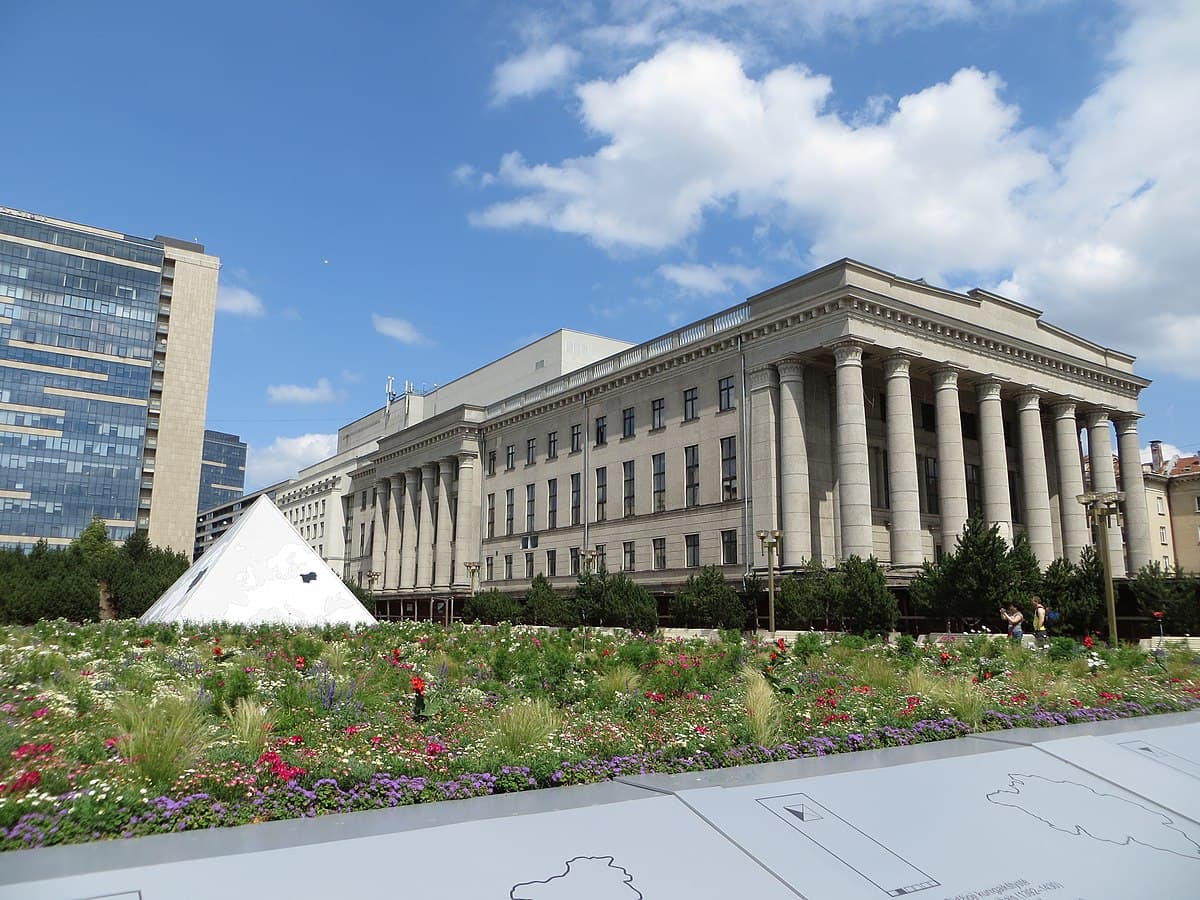
Lithuania's national library, a modernist landmark with a striking glass and stone facade, housing millions of volumes and featuring public exhibitions and a panoramic café.

The only Prussian-German half-timbered (Fachwerk) Old Town in Lithuania — colorful timber-framed buildings from the 18th-19th century create a distinctly un-Lithuanian atmosphere.

The finest Italian Baroque monastery in Lithuania — a 17th-century Camaldolese complex with magnificent frescoes, set on a peninsula overlooking the Kaunas Reservoir.

A masterpiece of European Baroque containing over 2,000 stucco figures — saints, angels, battle scenes, and mythological creatures covering every surface of this 17th-century church.

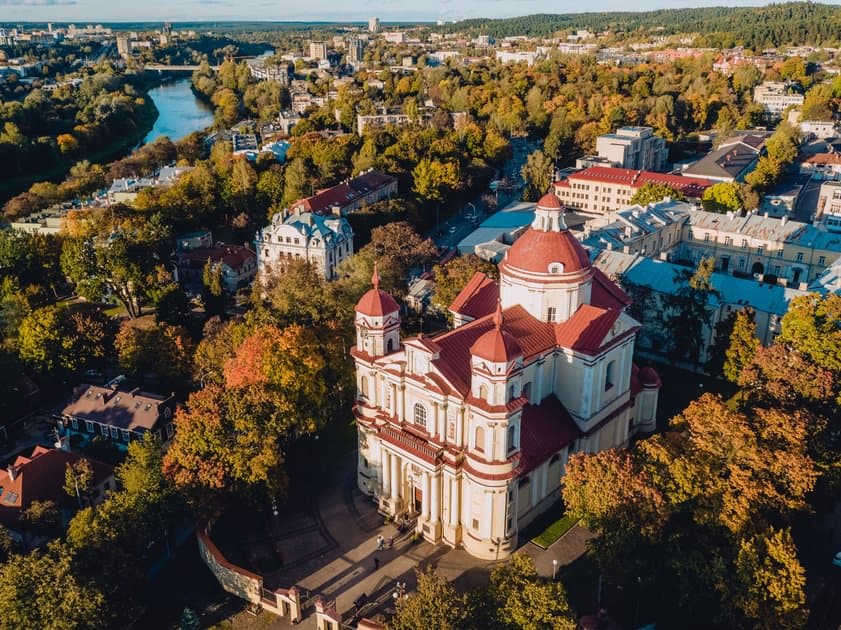
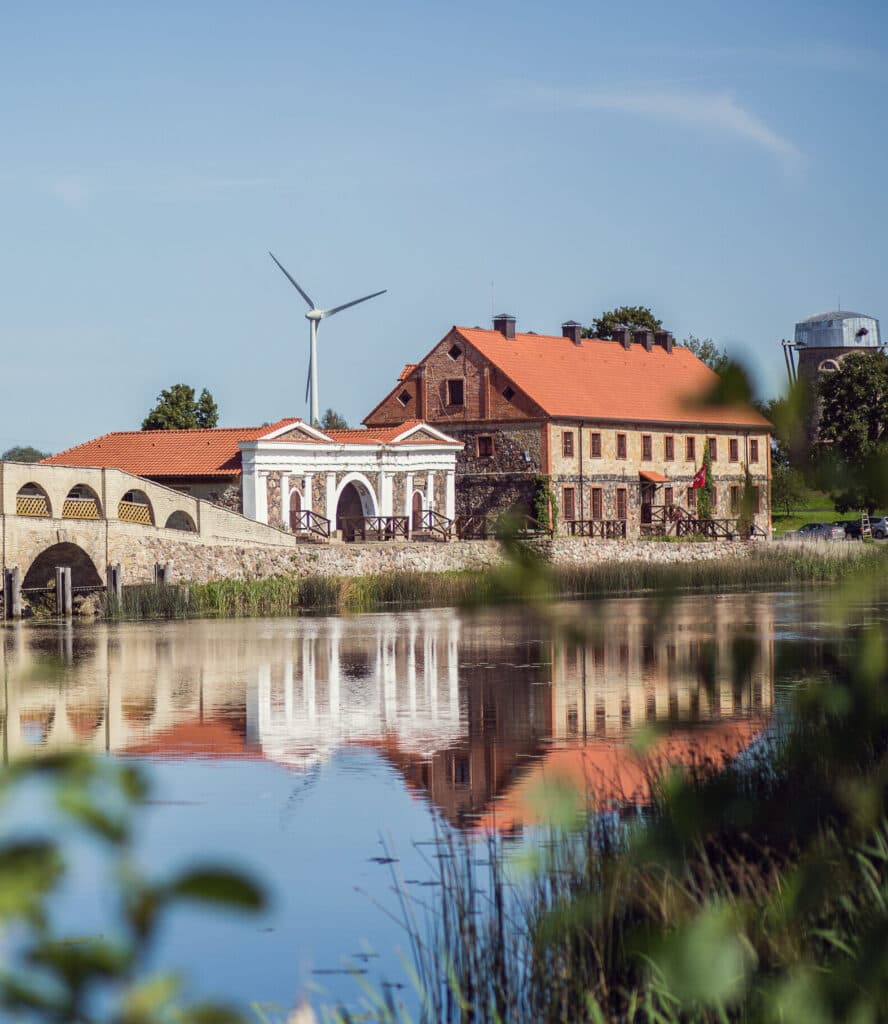
One of Lithuania's largest and best-restored manor complexes — a vast 18th-century estate with dozens of buildings, a brewery, and a synagogue, now operating as a cultural center.

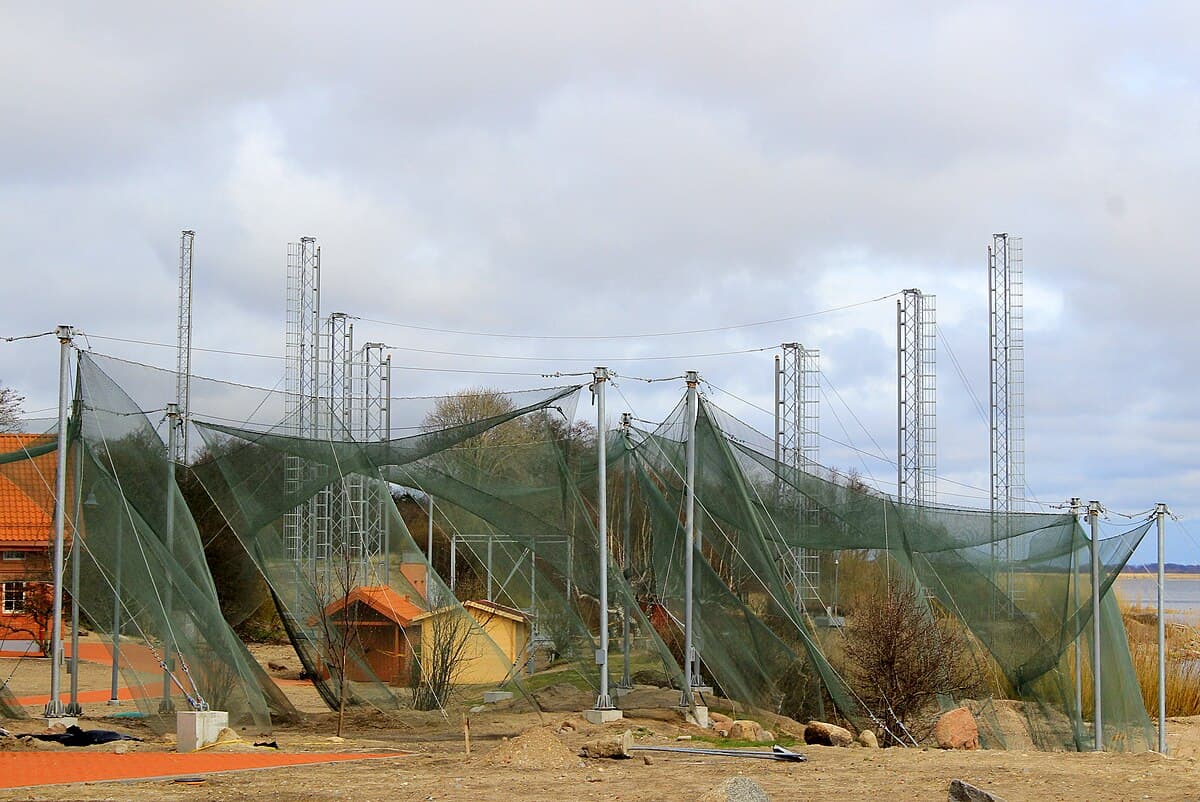
A 19th-century lighthouse on Lithuania's only cape, housing one of Europe's oldest ornithological stations — where thousands of migrating birds are ringed every season.

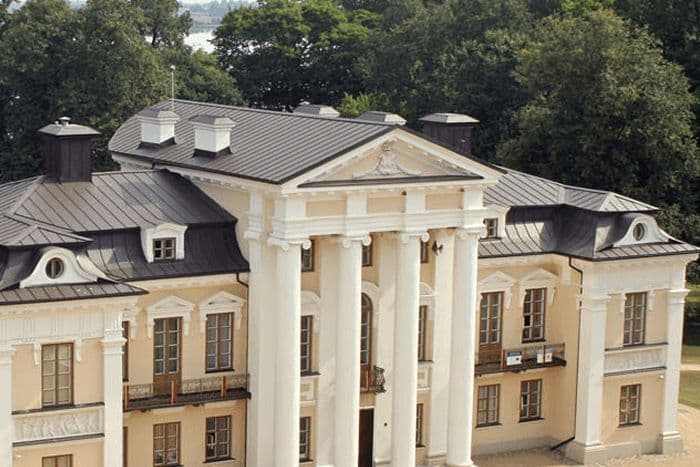
One of Lithuania's finest surviving neoclassical manor houses, built in the early 19th century, now restored and open as a museum showcasing aristocratic life in the Sūduva region.

An indoor ski slope in a Lithuanian spa town — a striking modern building that allows year-round skiing and snowboarding in a country with no mountains.

Over 6,000 interwar modernist buildings that earned Kaunas a UNESCO designation — a cityscape of Art Deco, Bauhaus, and functionalist architecture unique in Europe.

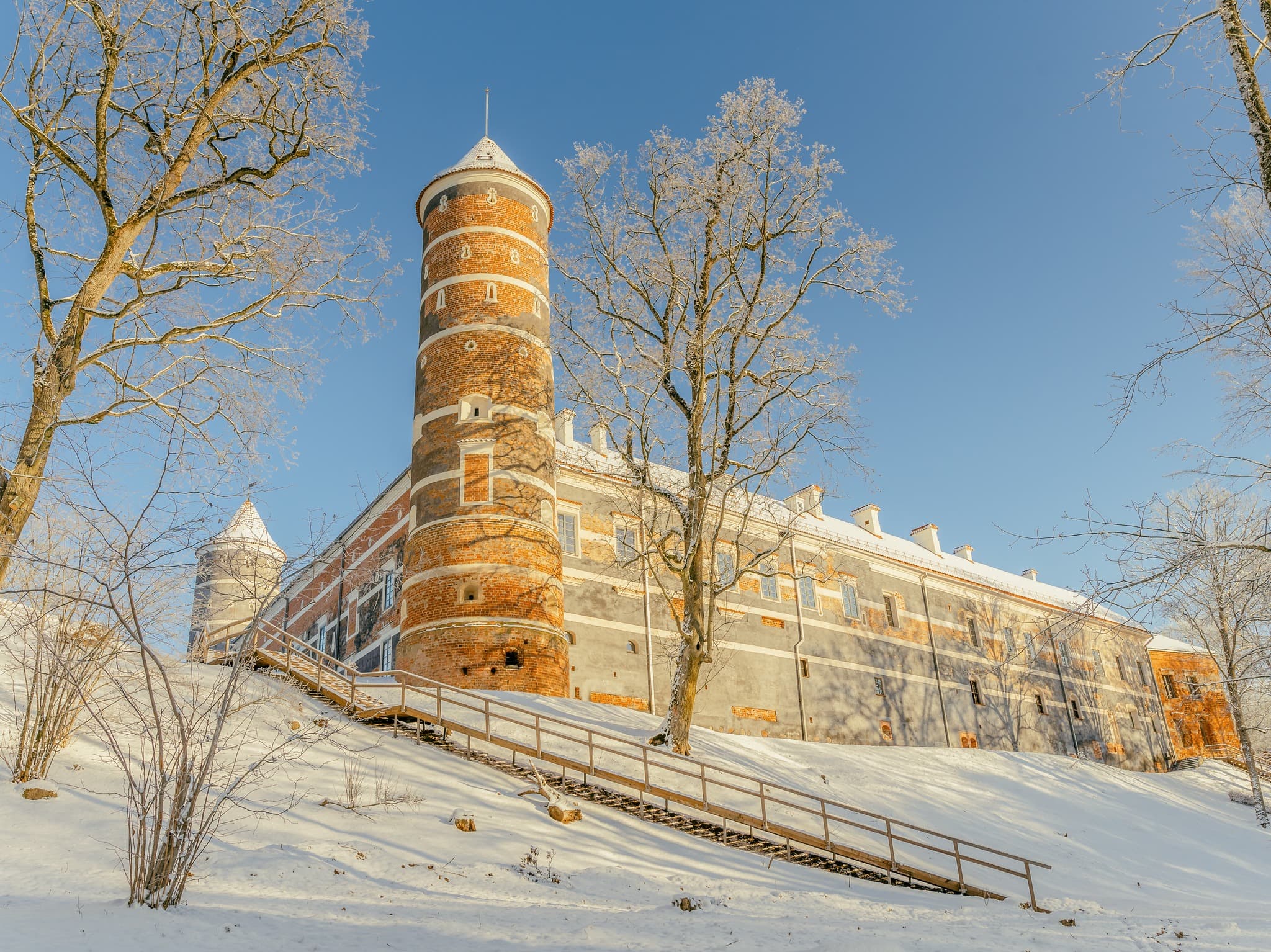
A fairytale Renaissance castle perched above the Nemunas River — one of four castles along Lithuania's scenic 'Castle Road' and now a museum and cultural venue.

One of Lithuania's oldest Gothic brick churches, standing alone in a riverside meadow — a hauntingly beautiful 16th-century building that floods regularly from the Nemunas.
The tallest structure in Lithuania at 326 meters — site of the tragic January 13, 1991 events and now featuring an observation deck and a memorial to freedom defenders.

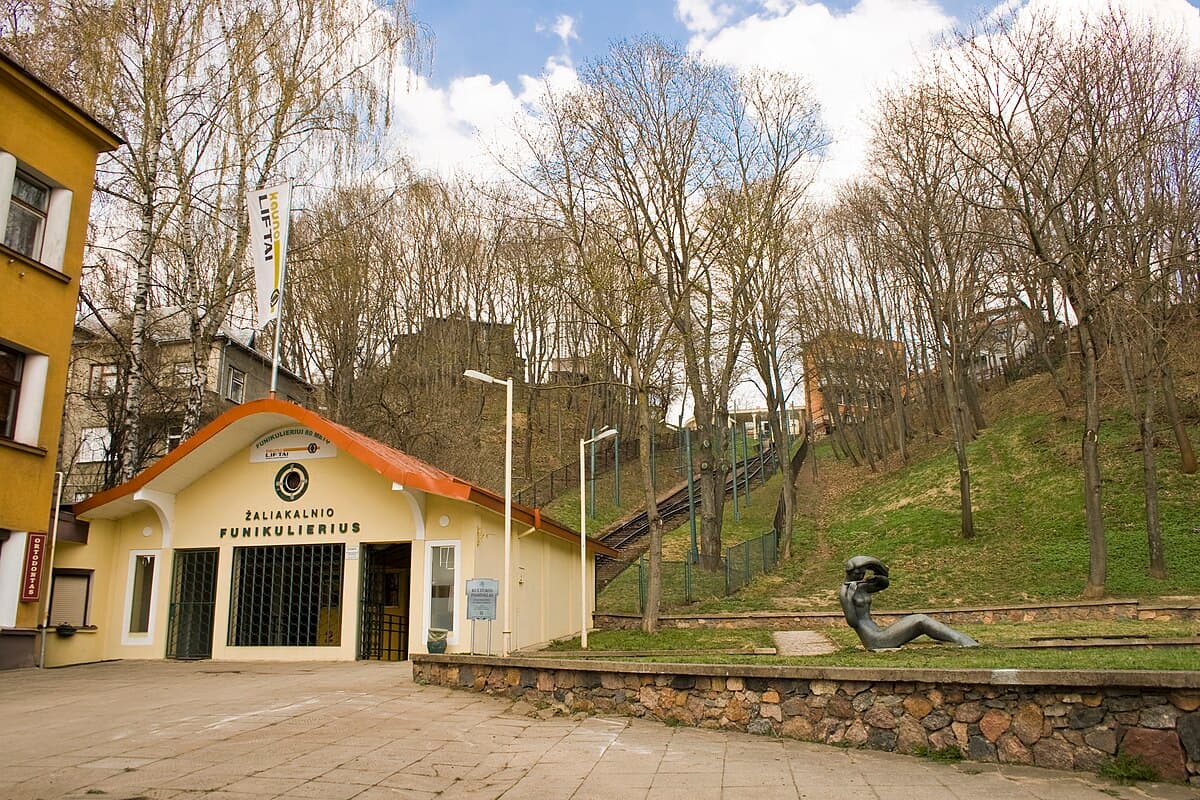
Two surviving early 20th-century funicular railways in Kaunas — charming engineering relics that still transport passengers up the steep hillsides of the city.

A neoclassical manor in Lithuania's Polish-speaking borderlands, designed by the architect of Vilnius Cathedral — a hidden gem of aristocratic architecture in a multicultural region.

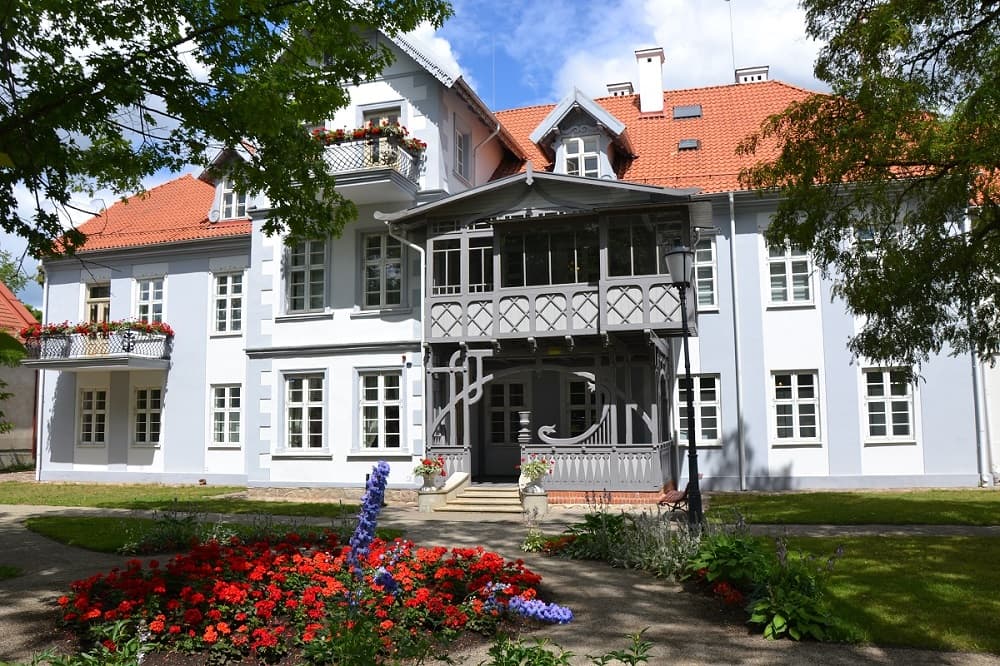
An elegant 19th-century manor in the Memelland region, now a museum showcasing the unique Germanic-Lithuanian cultural heritage of Lithuania Minor.

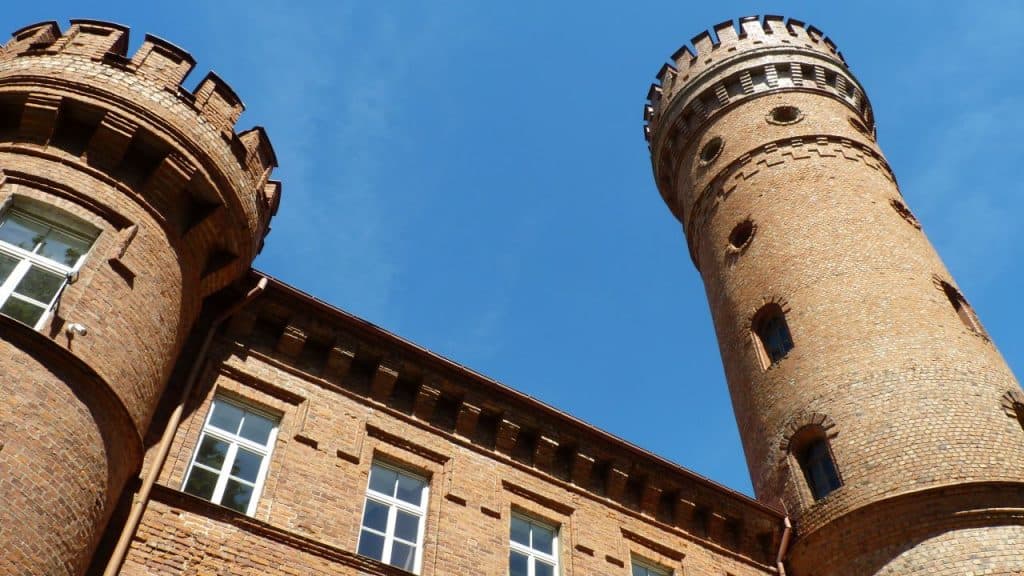
A striking red-brick castle with a tall Renaissance tower overlooking the Nemunas River — part of Lithuania's scenic Castle Road and home to panoramic views.

The distinctive blue-and-brown wooden fishermen's houses of the Curonian Spit — a unique vernacular architecture shaped by wind, sand, and Baltic fishing traditions.