Astronaut Mural of Kaunas
A striking large-scale mural of a floating astronaut on the side of a Soviet apartment block in Kaunas, symbolizing the city's artistic transformation and dreams of exploration.
Lithuania's second city and 2022 European Capital of Culture, known for its interwar architecture and vibrant arts scene.
32 locations found in this region
A striking large-scale mural of a floating astronaut on the side of a Soviet apartment block in Kaunas, symbolizing the city's artistic transformation and dreams of exploration.

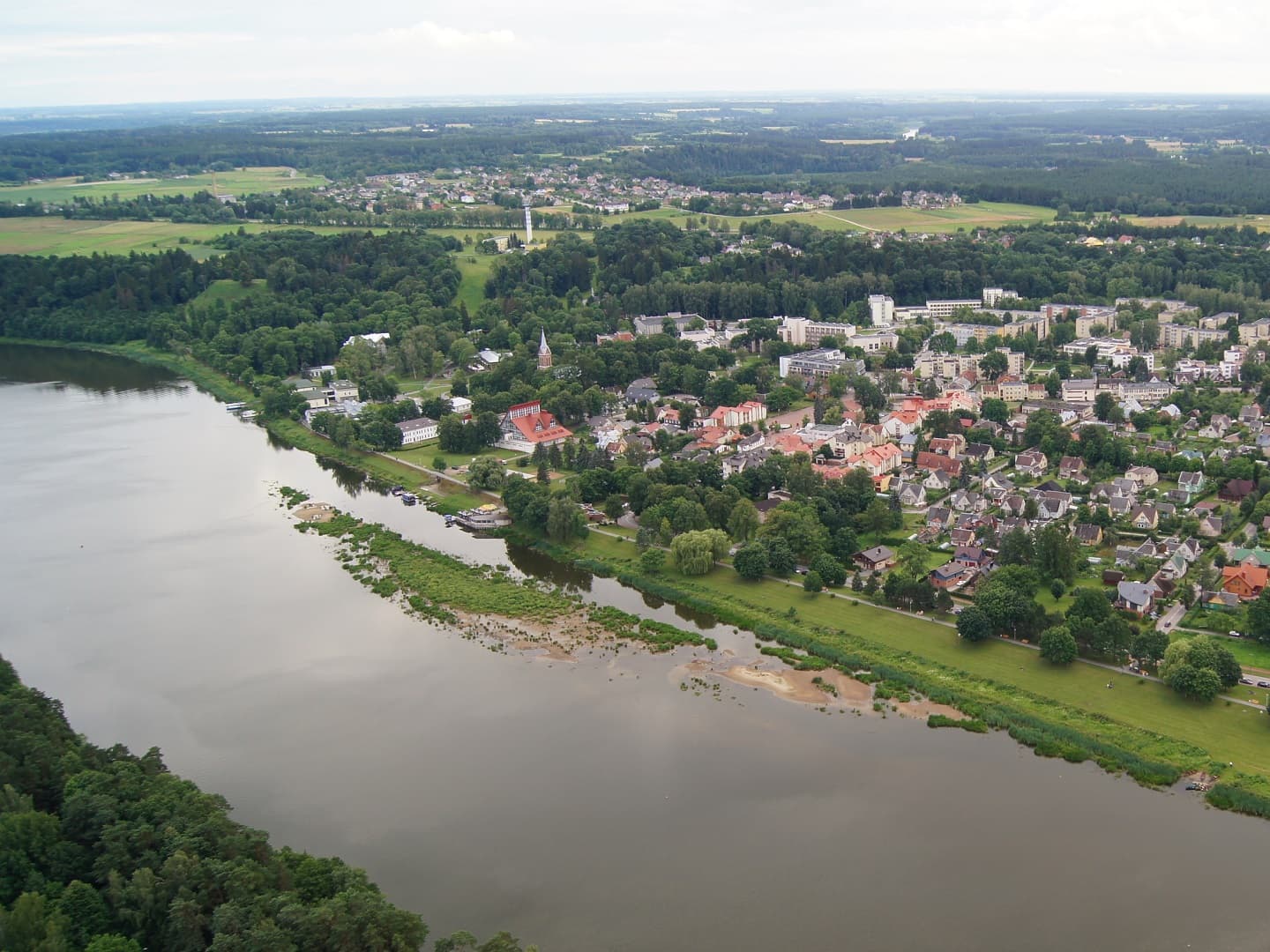
A modern observation tower in the spa town of Birštonas offering panoramic views over the dramatic Nemunas River loops — one of Lithuania's most distinctive natural features.
A dramatically positioned hill fort above the Nemunas River, offering stunning views over the valley — the legendary burial place of Grand Duchess Birutė.
The world's only museum dedicated entirely to depictions of the devil — housing over 3,000 devil figurines, paintings, and sculptures from around the world.

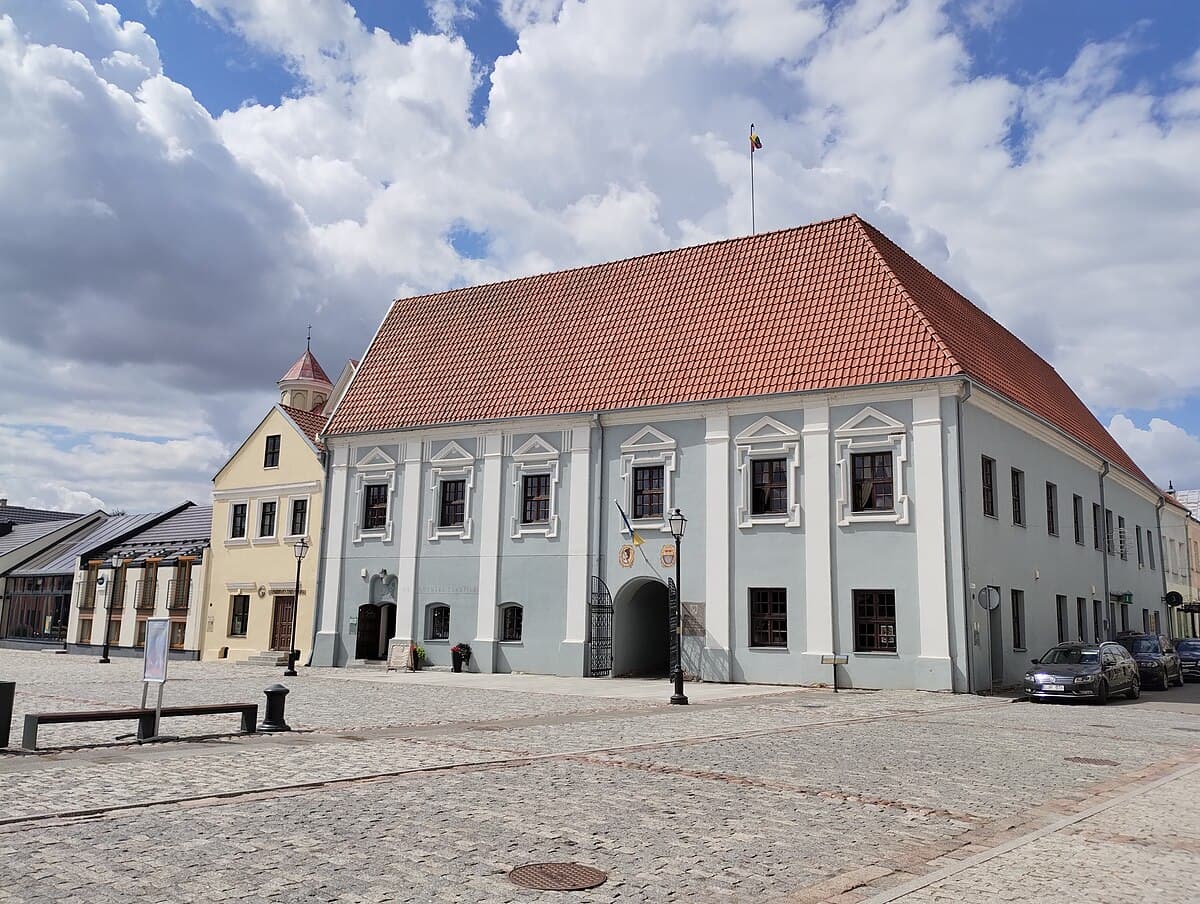
One of Lithuania's best-preserved Old Towns, where Lithuanian, Jewish, Scottish, and German heritage blend in a remarkable multicultural tapestry spanning five centuries.
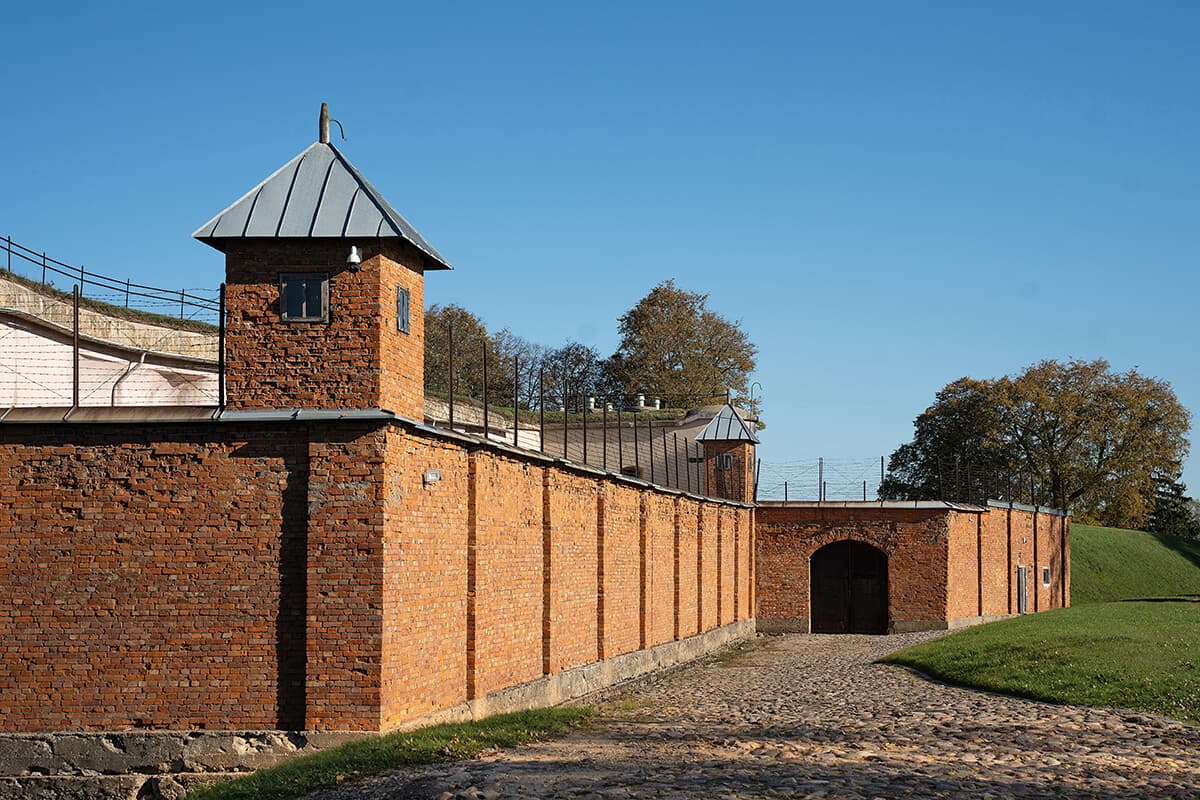
A 19th-century fortress on the outskirts of Kaunas that became a site of mass murder during WWII — now a powerful museum and memorial dominated by a striking Soviet-era monument.
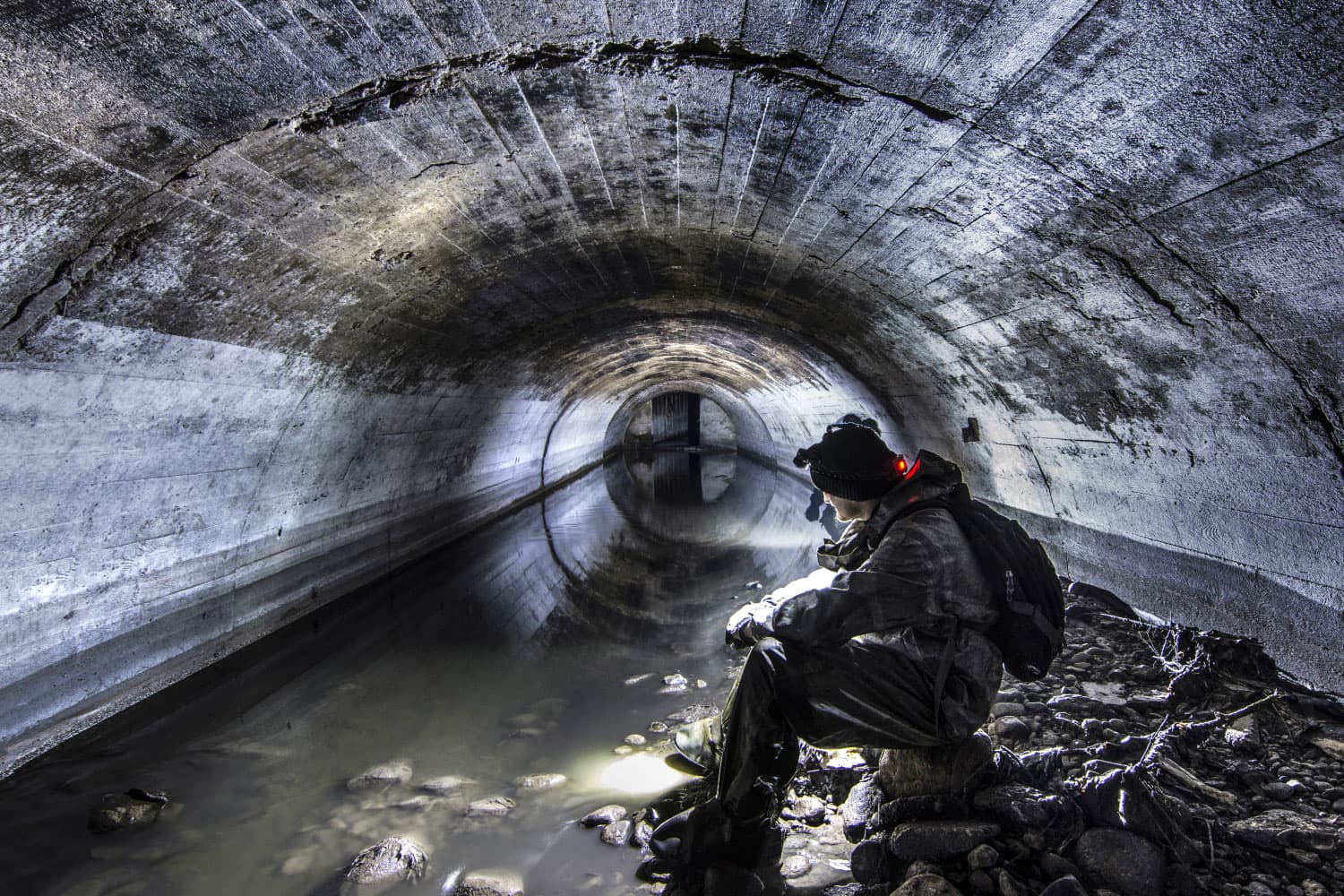
A vast network of 19th-century military tunnels beneath the Kaunas Fortress — one of the largest defensive structures in Eastern Europe, now open for atmospheric underground tours.

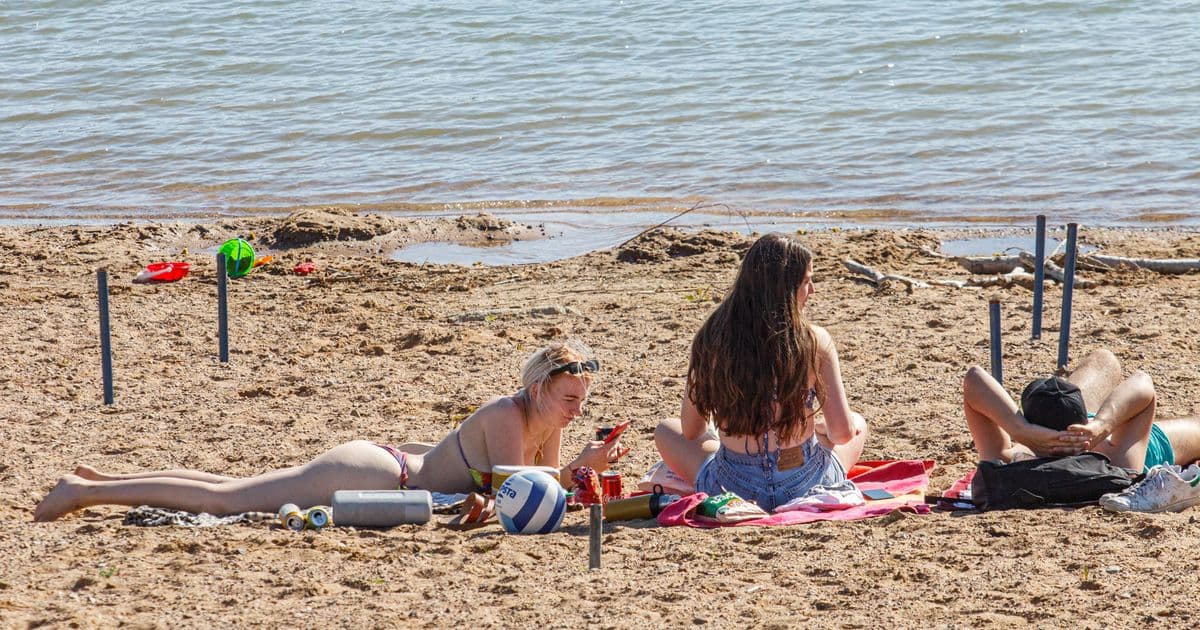
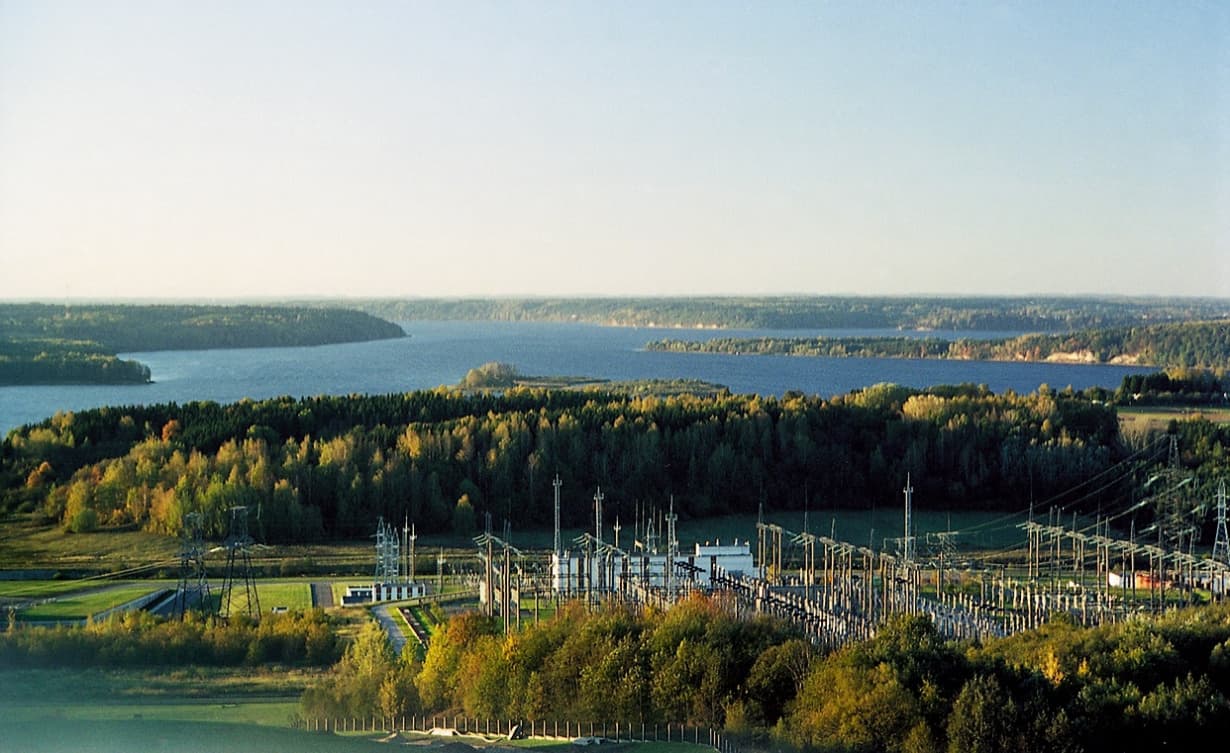
The shores of the vast Kaunas Reservoir (Kauno marios) hide sandy beaches, quiet coves, and swimming spots that rival the Baltic coast — Lithuania's inland sea.

One of Europe's largest concentrations of interwar modernist architecture — over 6,000 buildings from Kaunas's era as Lithuania's temporary capital (1920-1940), earning UNESCO recognition.

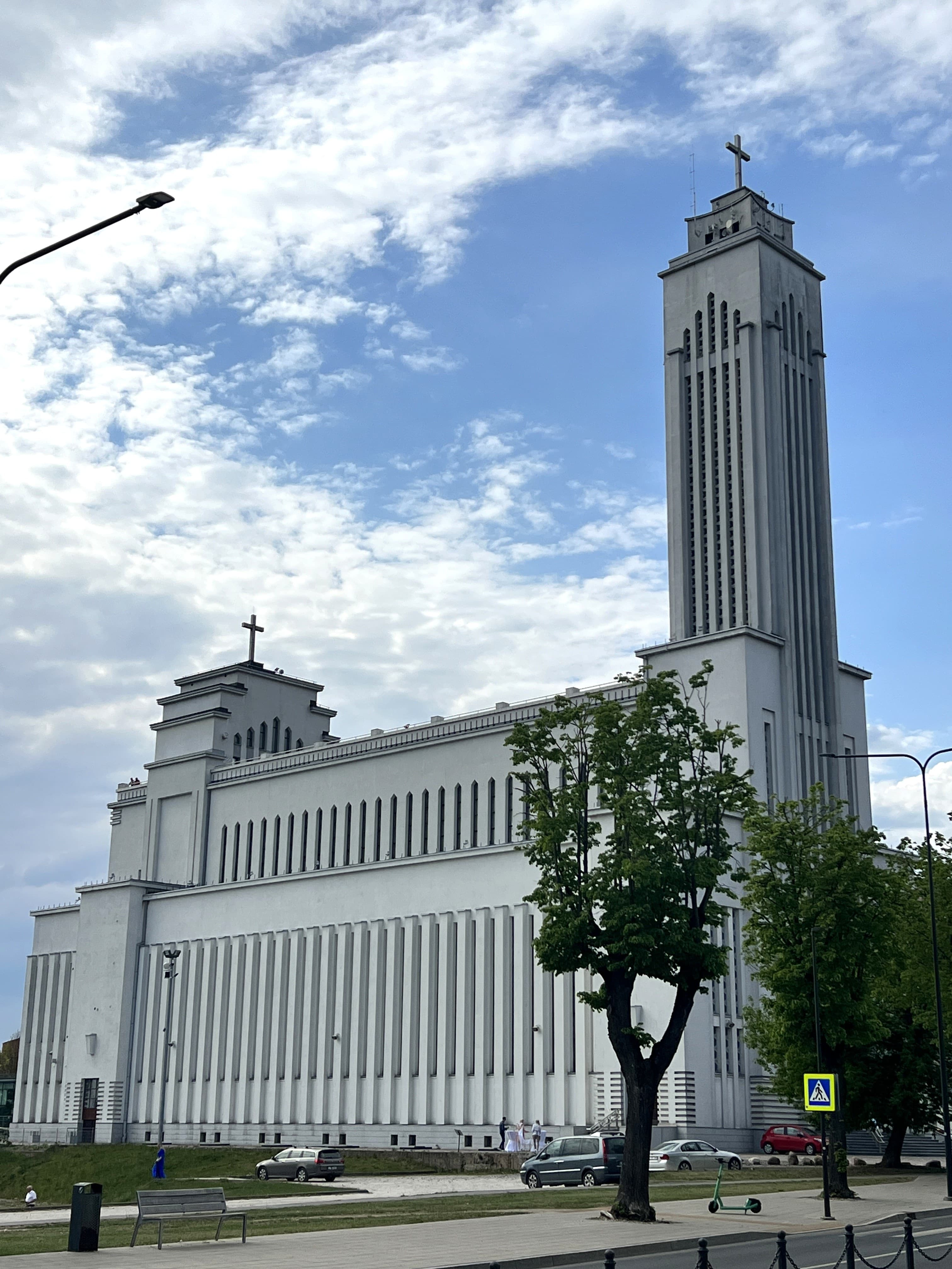
A monumental Art Deco church in Kaunas whose construction spans nearly a century — begun in 1934, used as a radio factory under the Soviets, and finally consecrated in 2004 with a rooftop terrace offering stunning city views.

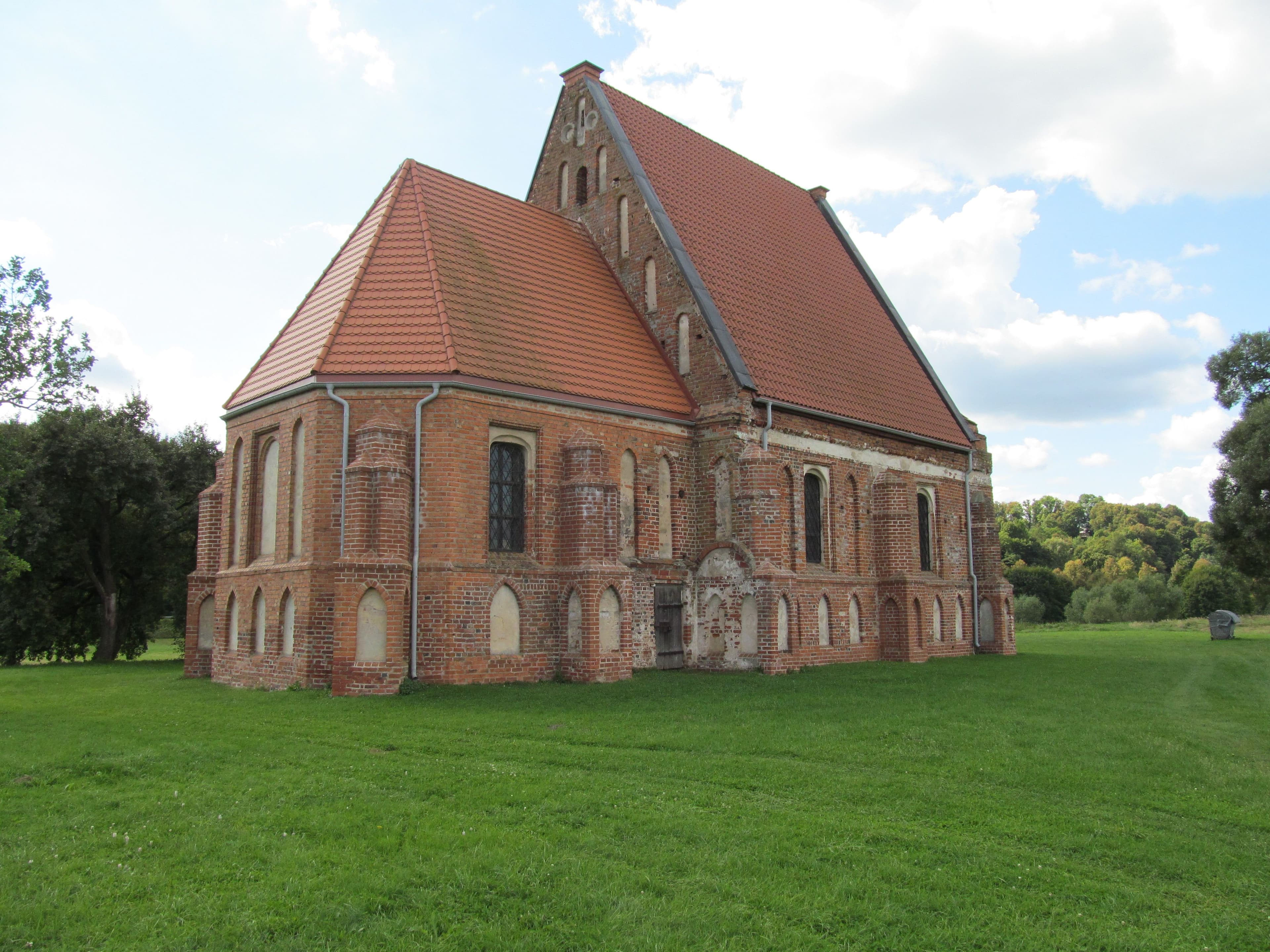
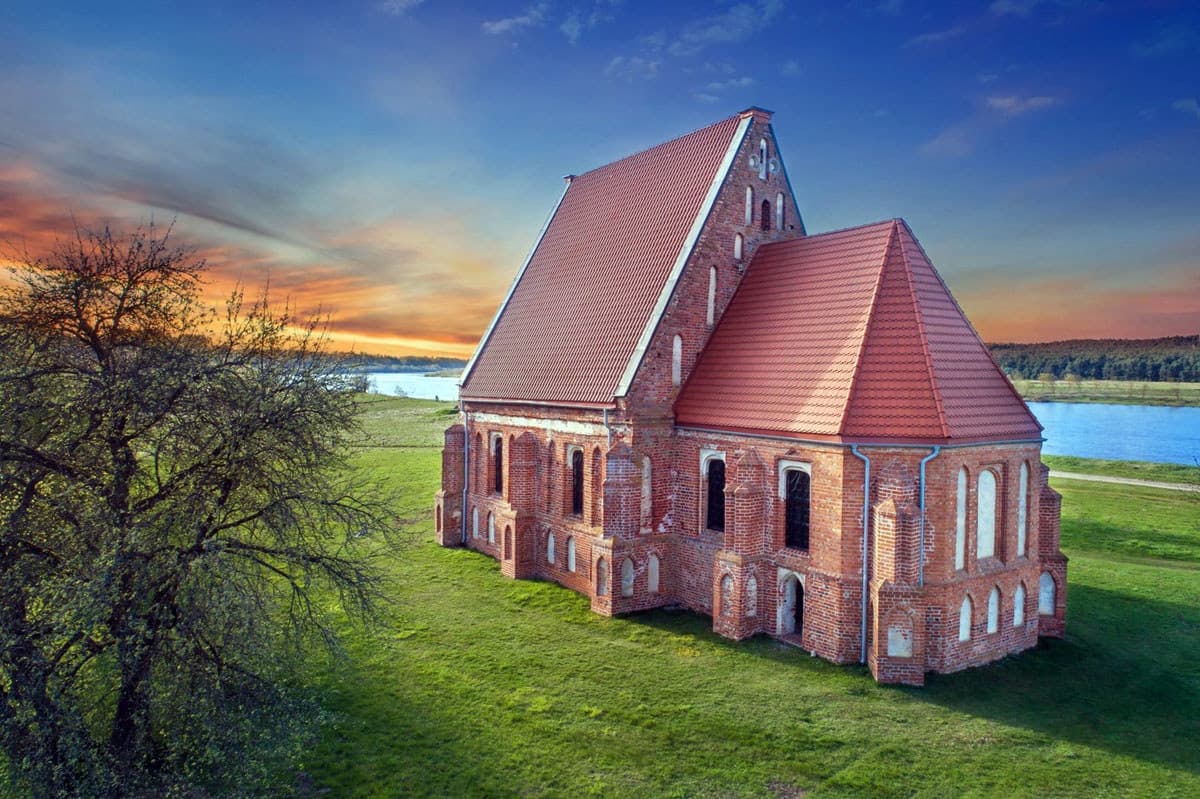
A hauntingly beautiful 15th-century Gothic church on the banks of the Nemunas River that regularly floods, creating extraordinary images of a medieval church standing in water.

A magnificent Art Deco masterpiece from 1931 — one of the finest examples of interwar modernist architecture in the Baltic states, still functioning as a working post office.

The finest Italian Baroque monastery in Lithuania — a 17th-century Camaldolese complex with magnificent frescoes, set on a peninsula overlooking the Kaunas Reservoir.

A growing collection of large-scale murals transforming Soviet apartment blocks into outdoor galleries — Kaunas's vibrant street art scene puts it among Europe's most exciting urban art destinations.

One of the largest open-air ethnographic museums in Europe — over 180 authentic buildings from across Lithuania recreating village life from the 18th-20th centuries.

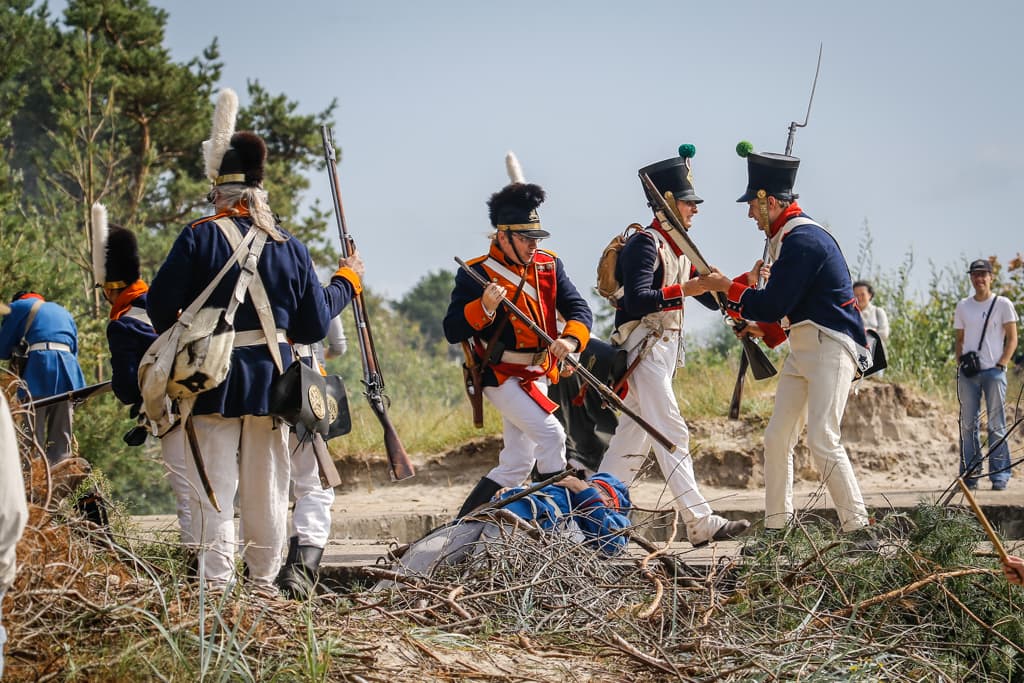
Markers and monuments tracing Napoleon's fateful march through Lithuania in 1812 — from his triumphant crossing of the Nemunas to the devastating retreat that destroyed his Grande Armée.

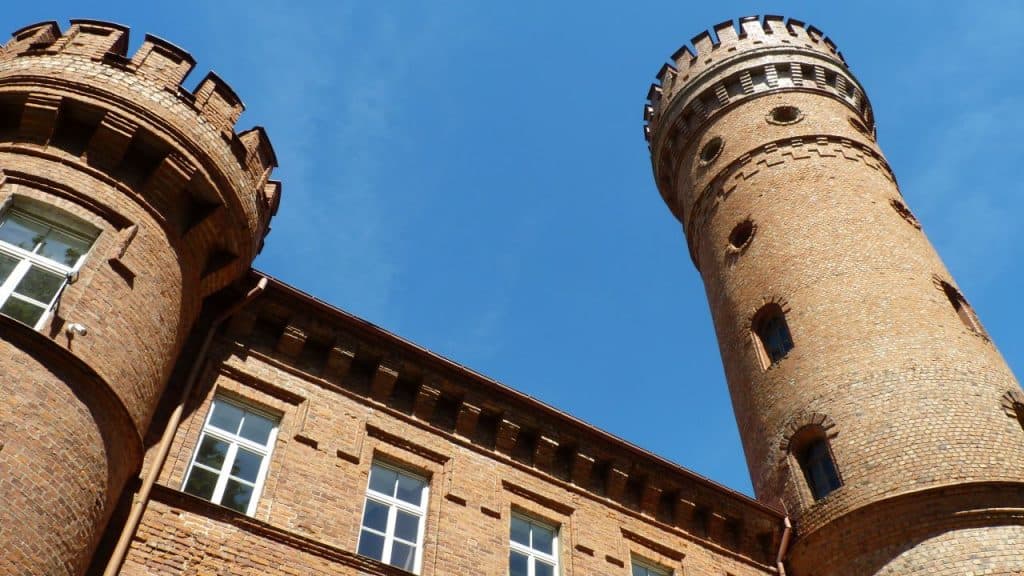
A neo-gothic castle tower overlooking the Nemunas River valley — one of the most picturesque viewpoints along Lithuania's greatest river, with panoramic views from the observation platform.

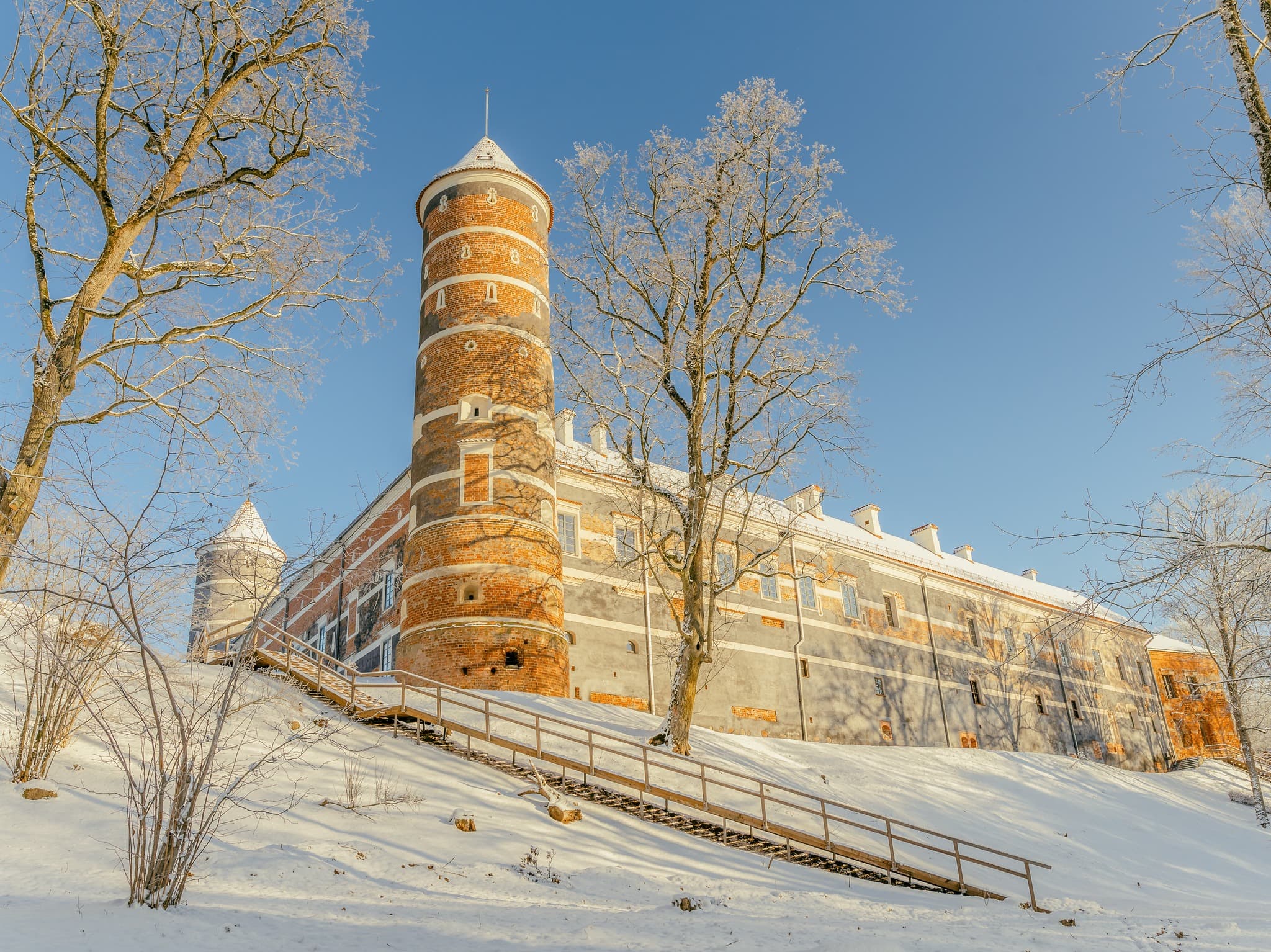
A Renaissance castle on the banks of the Nemunas River, beautifully restored and housing a museum — one of three castles forming the scenic 'Panemunė Castles Route.'

A network of centuries-old tunnels beneath Kaunas Old Town, once used for storage, defense, and mysterious purposes — now partially accessible for guided tours.

A dramatic hilltop viewpoint where the Nemunas and Neris rivers meet, offering one of the finest panoramas in Lithuania — where two great rivers become one.
A forest trail on the outskirts of Kaunas lined with large wooden sculptures carved by Lithuanian artists — merging nature and folk art in an accessible urban forest.
A massive 19th-century fortress complex that became one of the most significant Holocaust sites in Lithuania — now a powerful museum and memorial.

Over 6,000 interwar modernist buildings that earned Kaunas a UNESCO designation — a cityscape of Art Deco, Bauhaus, and functionalist architecture unique in Europe.

The world's only museum dedicated entirely to depictions of the devil — with over 3,000 devil figurines, masks, and artworks from around the globe.

One of Lithuania's oldest Gothic brick churches, standing alone in a riverside meadow — a hauntingly beautiful 16th-century building that floods regularly from the Nemunas.

Lithuania's largest artificial lake — created by damming the Nemunas River in the 1950s, now a vast inland sea with beaches, sailing, and surprising coastal atmosphere.

The largest open-air ethnographic museum in Europe — an entire recreated Lithuanian village landscape with over 180 authentic historic buildings from all regions.

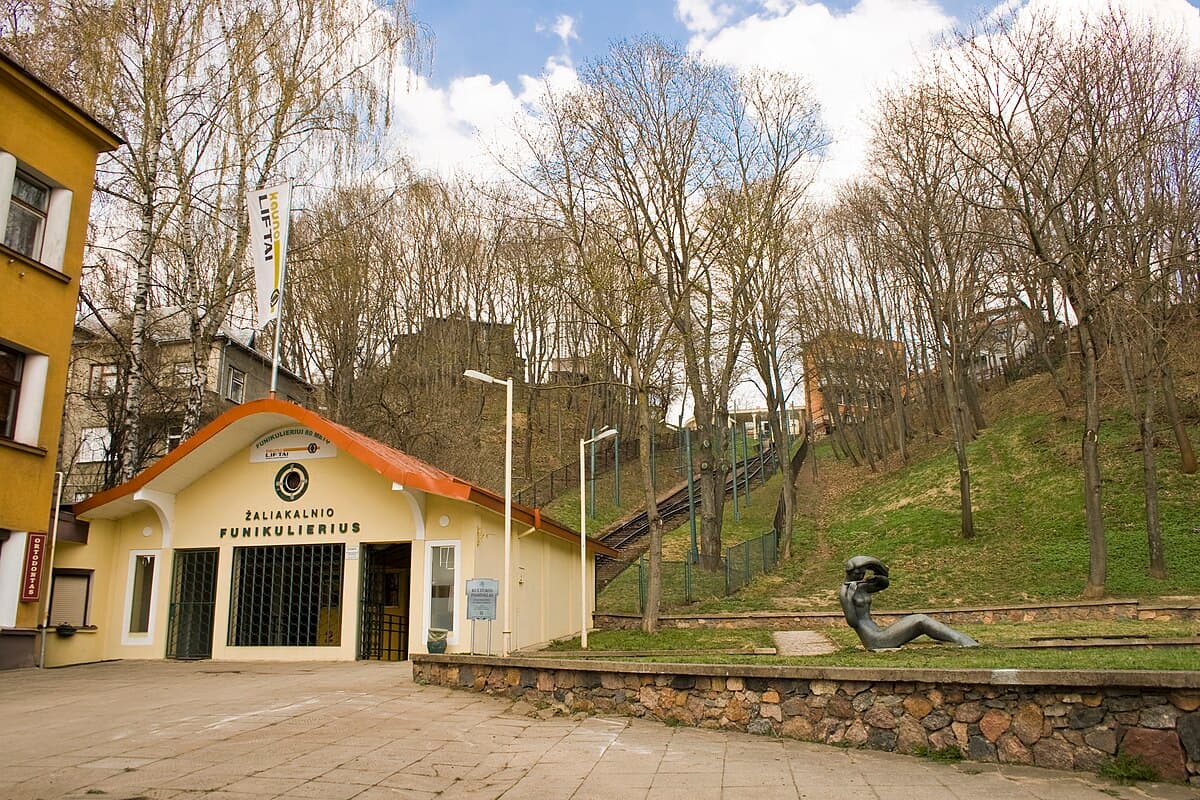
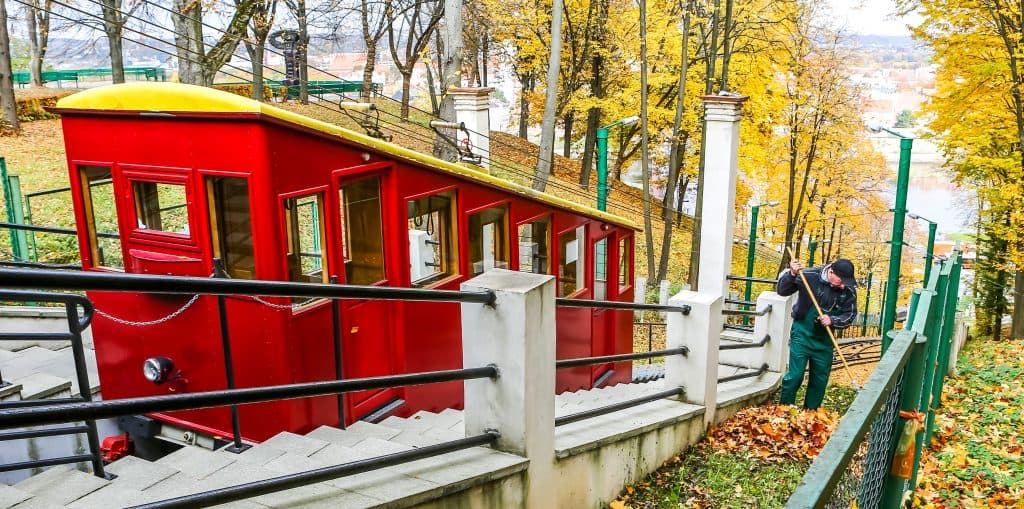
Two surviving early 20th-century funicular railways in Kaunas — charming engineering relics that still transport passengers up the steep hillsides of the city.

The underground tunnel network connecting the massive Kaunas Fortress ring — miles of brick-lined passages built by the Russian Empire that have survived for over a century.

The finest example of Italian Baroque architecture outside Italy — a stunning 17th-century Camaldolese monastery complex on the shores of the Kaunas Reservoir.

A proposal and concept for a cable car spanning the Nemunas valley at Kaunas — representing one of the most ambitious viewpoint projects in Lithuania's future.

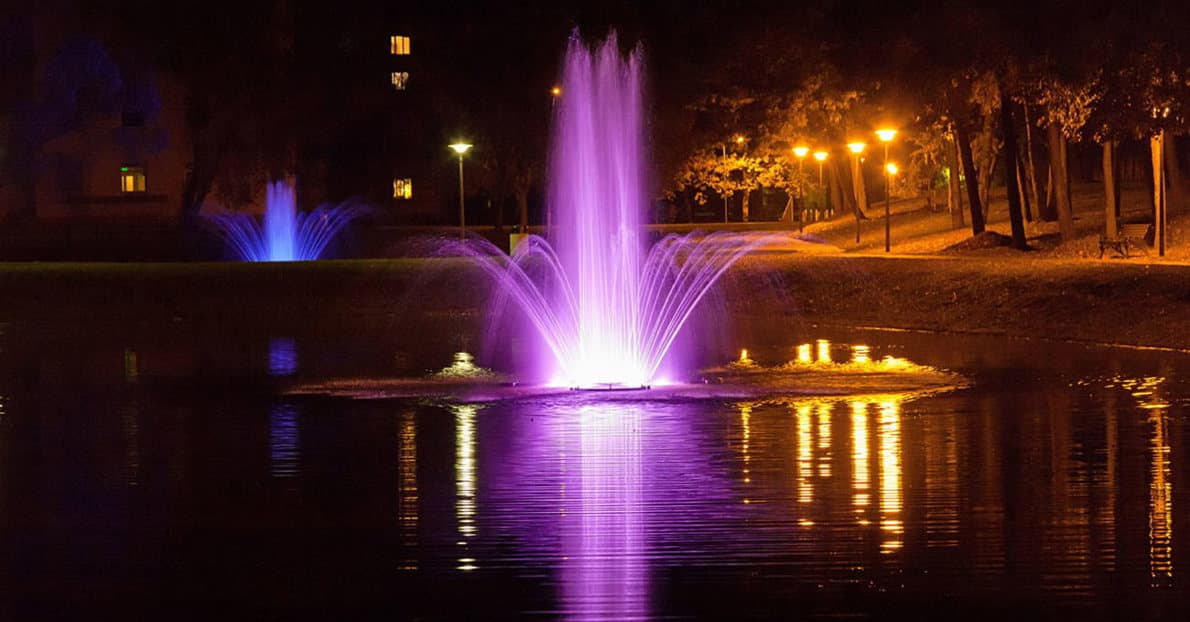
A musical fountain in the elegant spa town of Birštonas — where water, light, and music combine for evening performances against the backdrop of the Nemunas River valley.