Giant Chair of Plungė
A massive wooden chair standing several meters tall in the town of Plungė, one of Lithuania's many quirky oversized roadside sculptures that defy easy explanation.
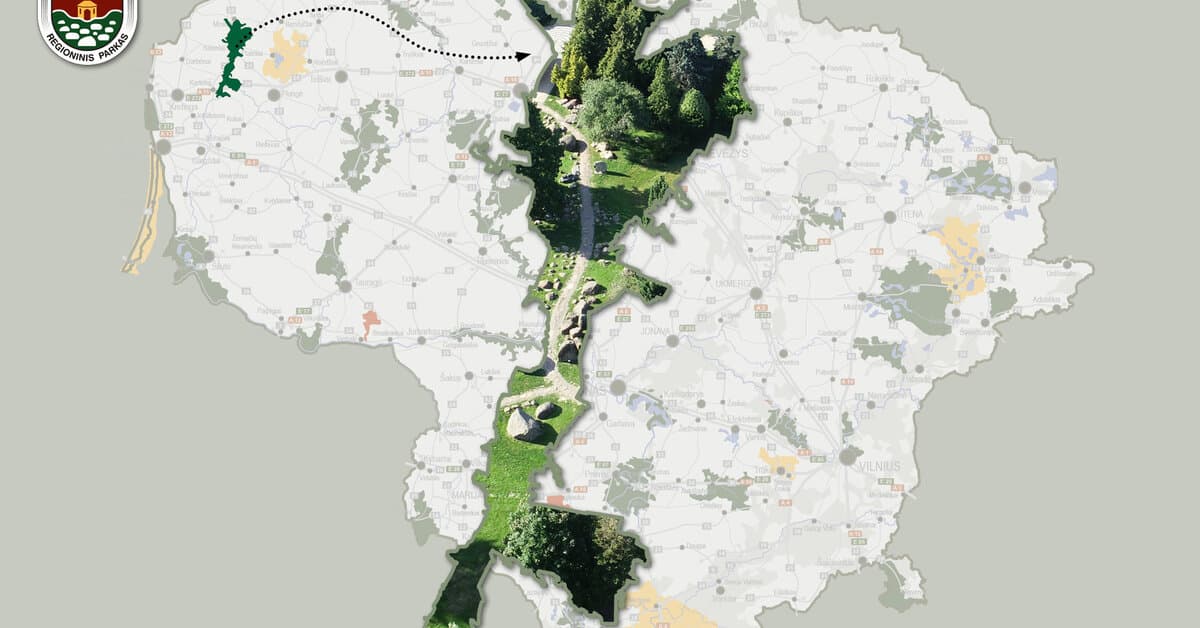
The Samogitian highlands, a region with its own distinct dialect, traditions, and dramatically hilly landscape.
16 locations found in this region
A massive wooden chair standing several meters tall in the town of Plungė, one of Lithuania's many quirky oversized roadside sculptures that defy easy explanation.
An extraordinary outsider art garden near Salantai created by stone-carver Vilius Orvydas, featuring massive stone and wood sculptures, crosses, and spiritual monuments scattered across a surreal landscape.
A former top-secret Soviet nuclear missile base hidden in the forests of Žemaitija National Park, now a chilling Cold War museum where you can descend into the underground launch silos.

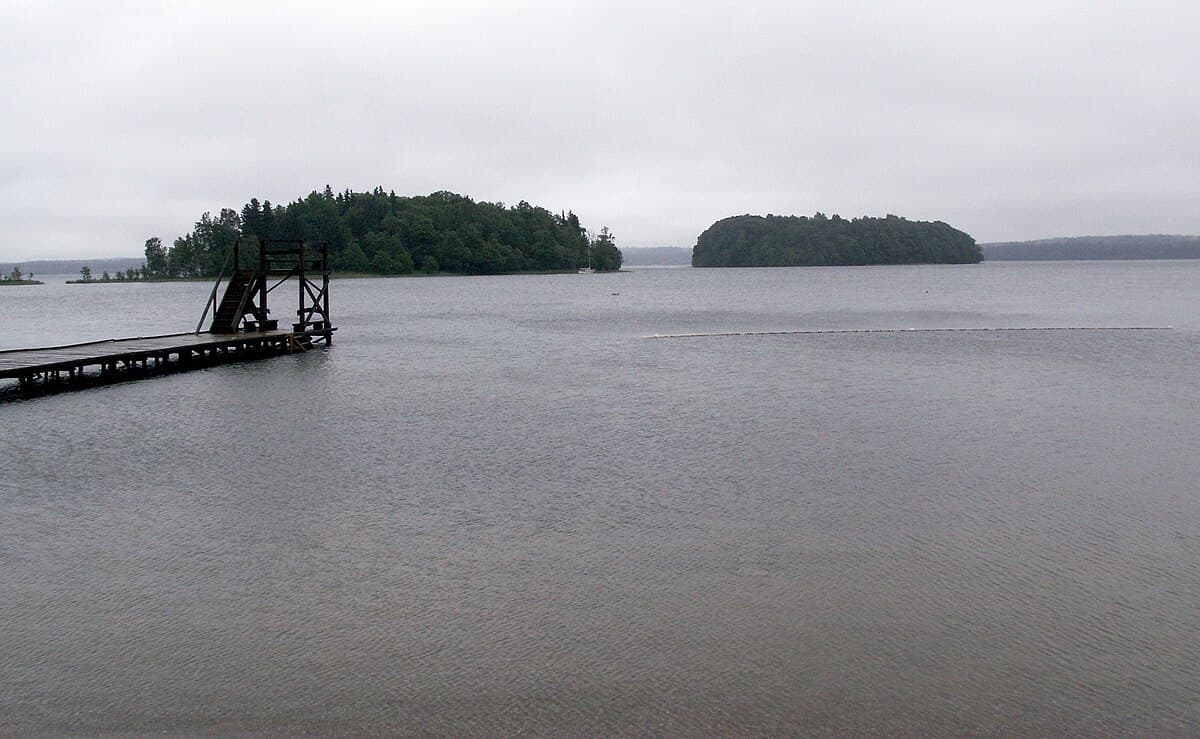
A Samogitian national park centered around the deepest lake in western Lithuania, known for mysterious legends, traditional festivals, and the secret Soviet missile base hidden in its forests.
The legendary gathering place of Lithuanian witches, rising 228 meters above the Samogitian highlands — a mystical hill steeped in pagan folklore and solstice traditions.

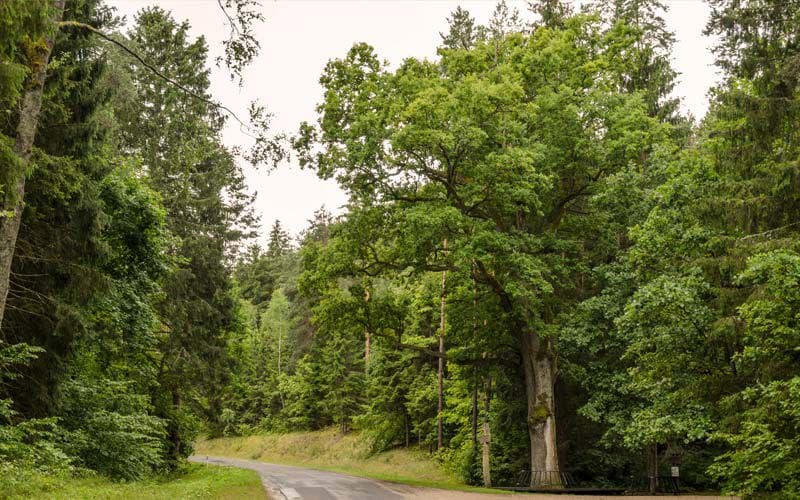
Ancient oak groves in the Samogitian highlands that were sacred to pagan Lithuanians — some of the oldest trees in the country stand in forests once used for worship and ritual.

Atmospheric ruins of a manor house in the Samogitian countryside — crumbling walls surrounded by an ancient park create one of Lithuania's most romantic abandoned estates.

An open-air museum in western Lithuania containing over 200 glacial boulders — many with mysterious carved symbols, cup marks, and fossil inclusions spanning thousands of years.
One of the seven sacred hills of Samogitia — a mythological mountain associated with witches, pagan rituals, and the deepest layers of Lithuanian folklore.
A former secret Soviet nuclear missile base hidden in the Žemaitija forests — now a museum where visitors descend into underground silos that once housed nuclear warheads aimed at Western Europe.
A surreal sculpture garden created by a persecuted Soviet-era stonemason — filled with carved crosses, boulders, and religious monuments saved from destruction during the atheist campaign.

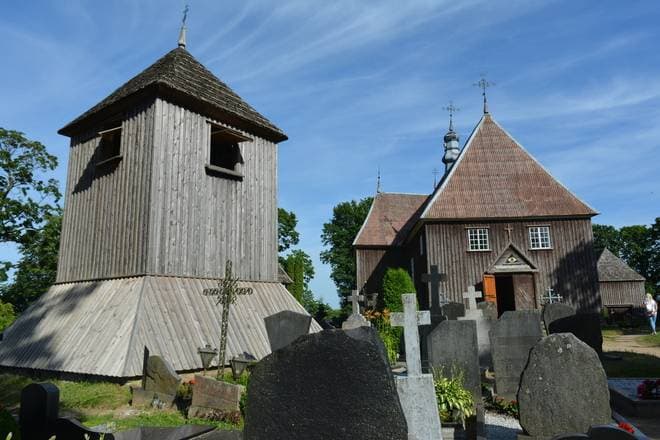
A tiny wooden chapel perched on an island in Lake Beržoras — accessible only by a narrow footbridge, creating one of Lithuania's most serene and photogenic sacred sites.

A mysterious medieval stone sculpture of a woman found near Salantai — one of Lithuania's oldest figurative stone carvings, now standing in the town center.

The regional art museum of Samogitia housed in a lakeside complex — featuring Samogitian folk art, contemporary works, and the mythological heritage of Lithuania's most distinctive region.

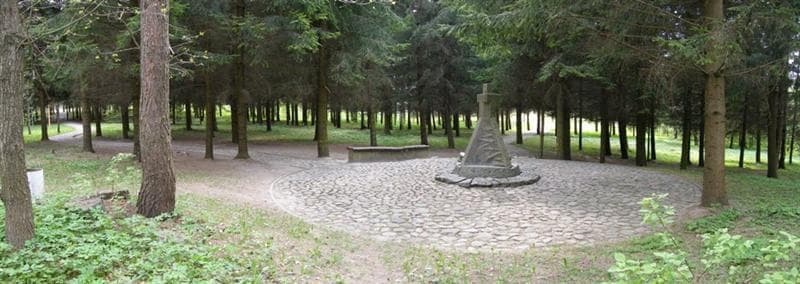
A haunting memorial to 73 Lithuanian political prisoners massacred by the Soviet NKVD in June 1941 — one of the most powerful and painful memorial sites in Lithuania.

Lithuania's massive oil refinery — an industrial giant visible from miles away, representing the country's complex energy story from Soviet pipelines to Western investment.