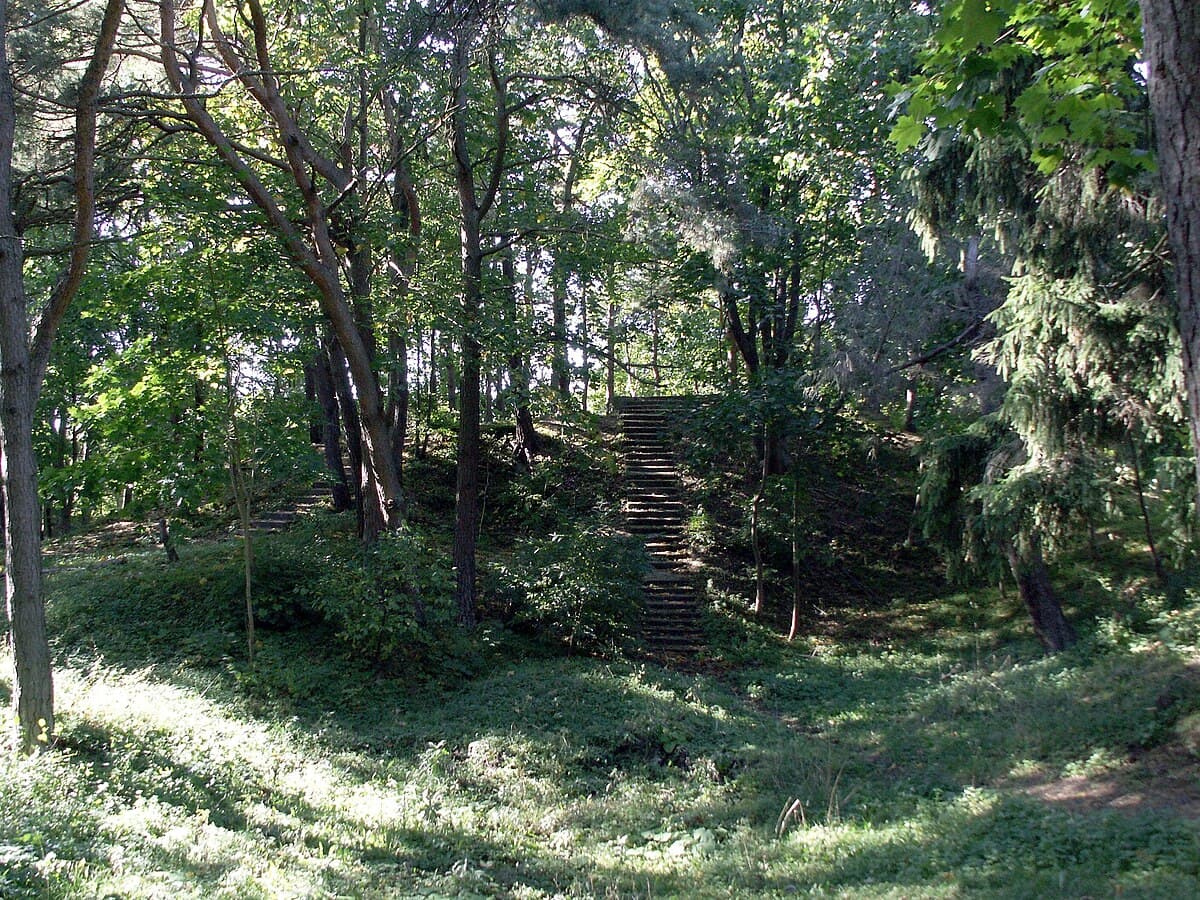
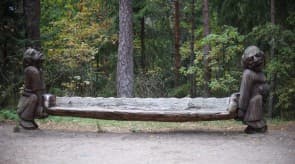
Hill of Witches (Raganų Kalnas)
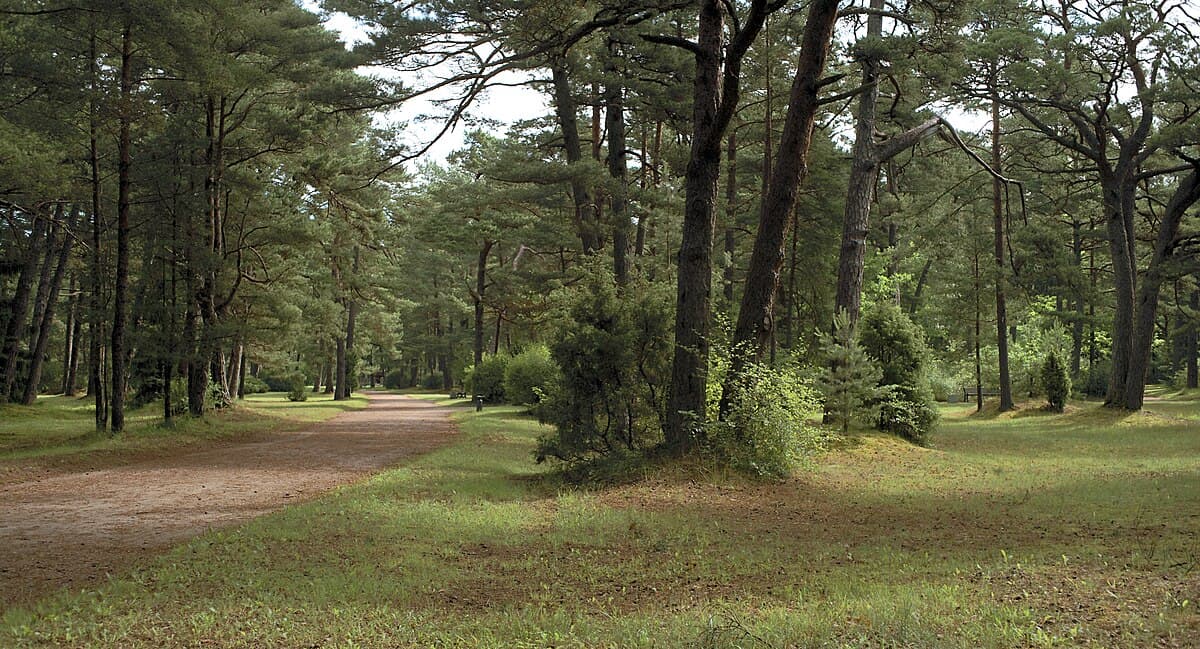
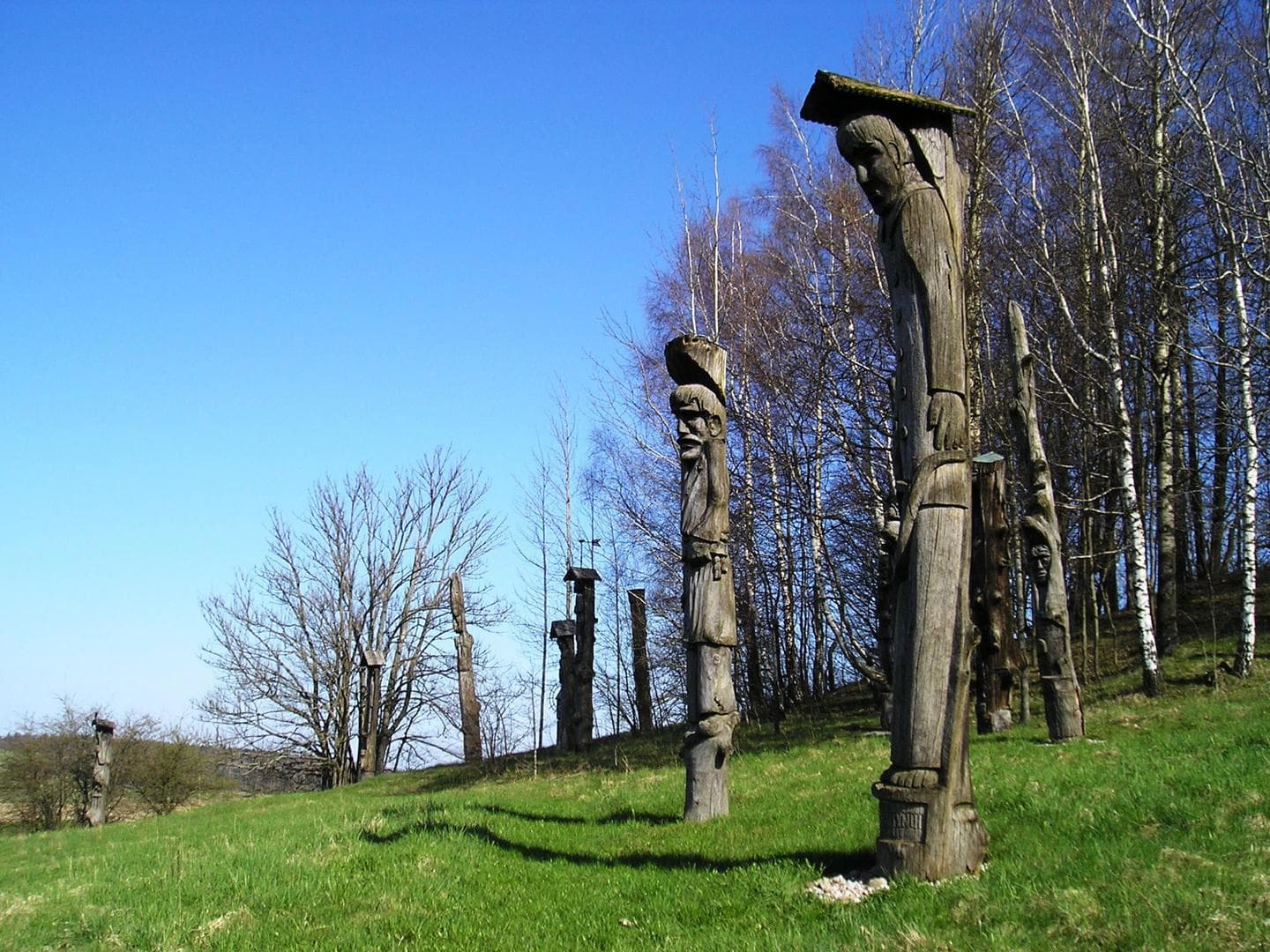
An enchanting trail through the pine forests of Juodkrantė on the Curonian Spit, lined with over 80 fantastical wooden sculptures of witches, devils, and characters from Lithuanian folklore.
The coastal region, gateway to the Curonian Spit and Lithuania's maritime heritage.
25 locations found in this region
An enchanting trail through the pine forests of Juodkrantė on the Curonian Spit, lined with over 80 fantastical wooden sculptures of witches, devils, and characters from Lithuanian folklore.
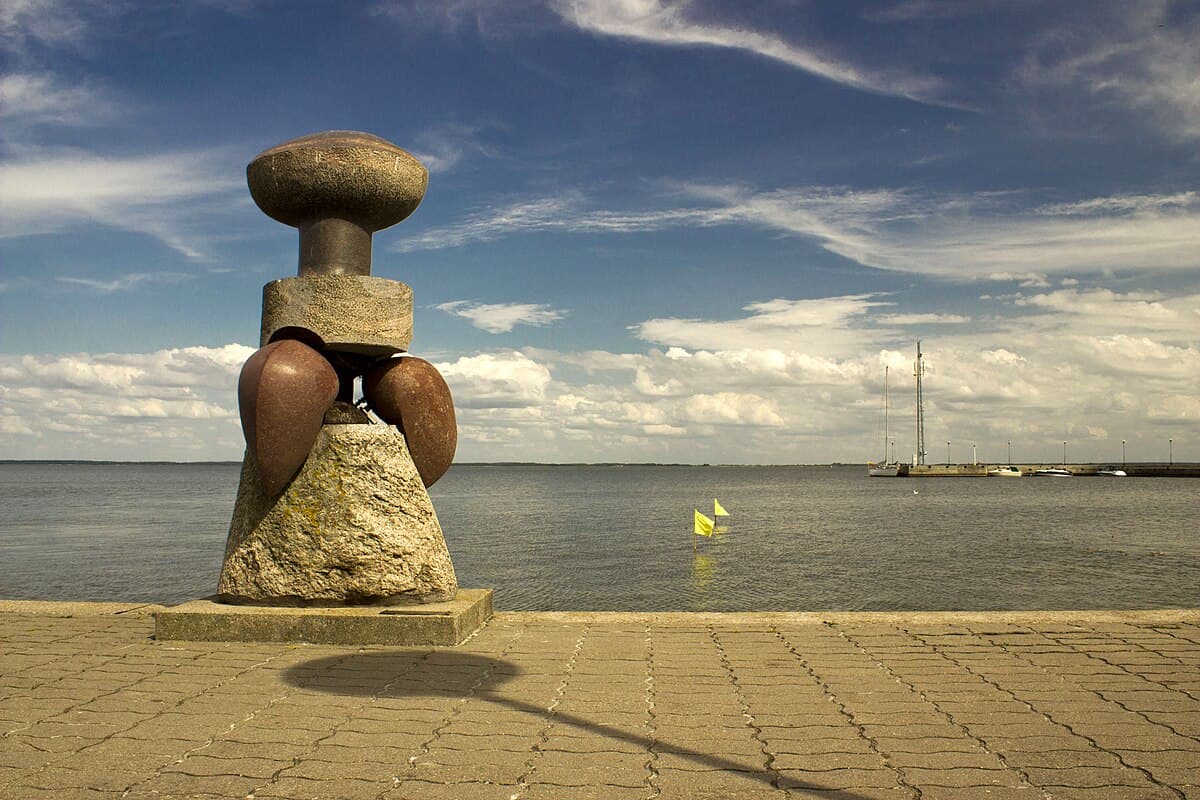
A towering granite sundial stands on the Parnidis Dune near Nida — at 52 meters, one of the tallest shifting sand dunes in Europe — offering dramatic views of the Curonian Lagoon and the Baltic Sea.
A hidden coastal viewpoint near the fishing village of Šventoji, where low cliffs meet the Baltic Sea, offering uninterrupted sunset views that most tourists miss entirely.

Housed in the stunning Tiškevičiai Palace surrounded by Lithuania's largest botanical garden, this museum showcases over 28,000 pieces of amber including insects trapped for millions of years.
The former home and studio of Lithuanian sculptor Antanas Mončys, now a museum displaying his abstract wooden sculptures and personal art collection in a charming Palanga setting.
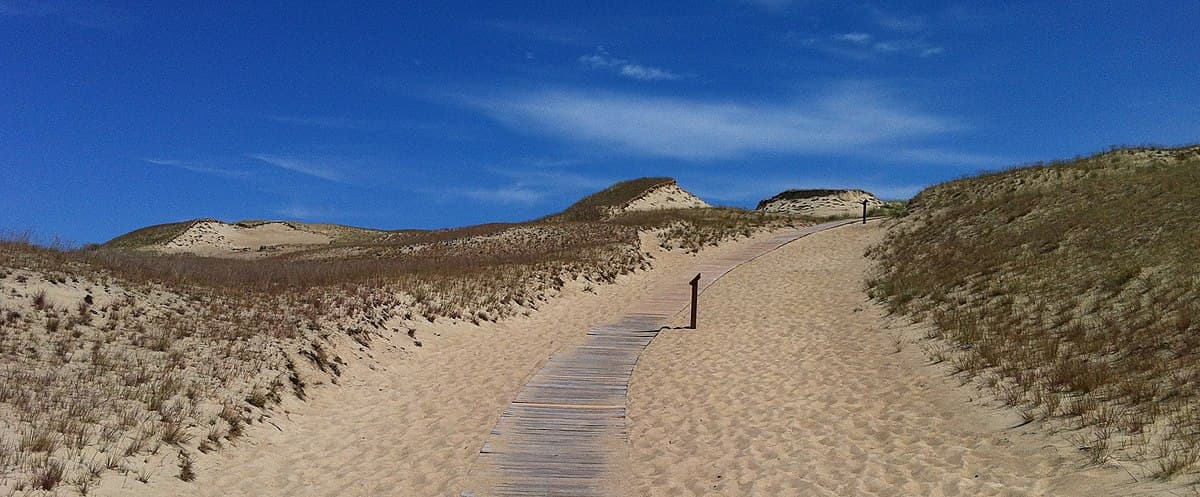
The dramatic shifting sand dunes of the Curonian Spit — a UNESCO World Heritage Site where massive dunes have buried entire villages and continue to reshape the landscape.

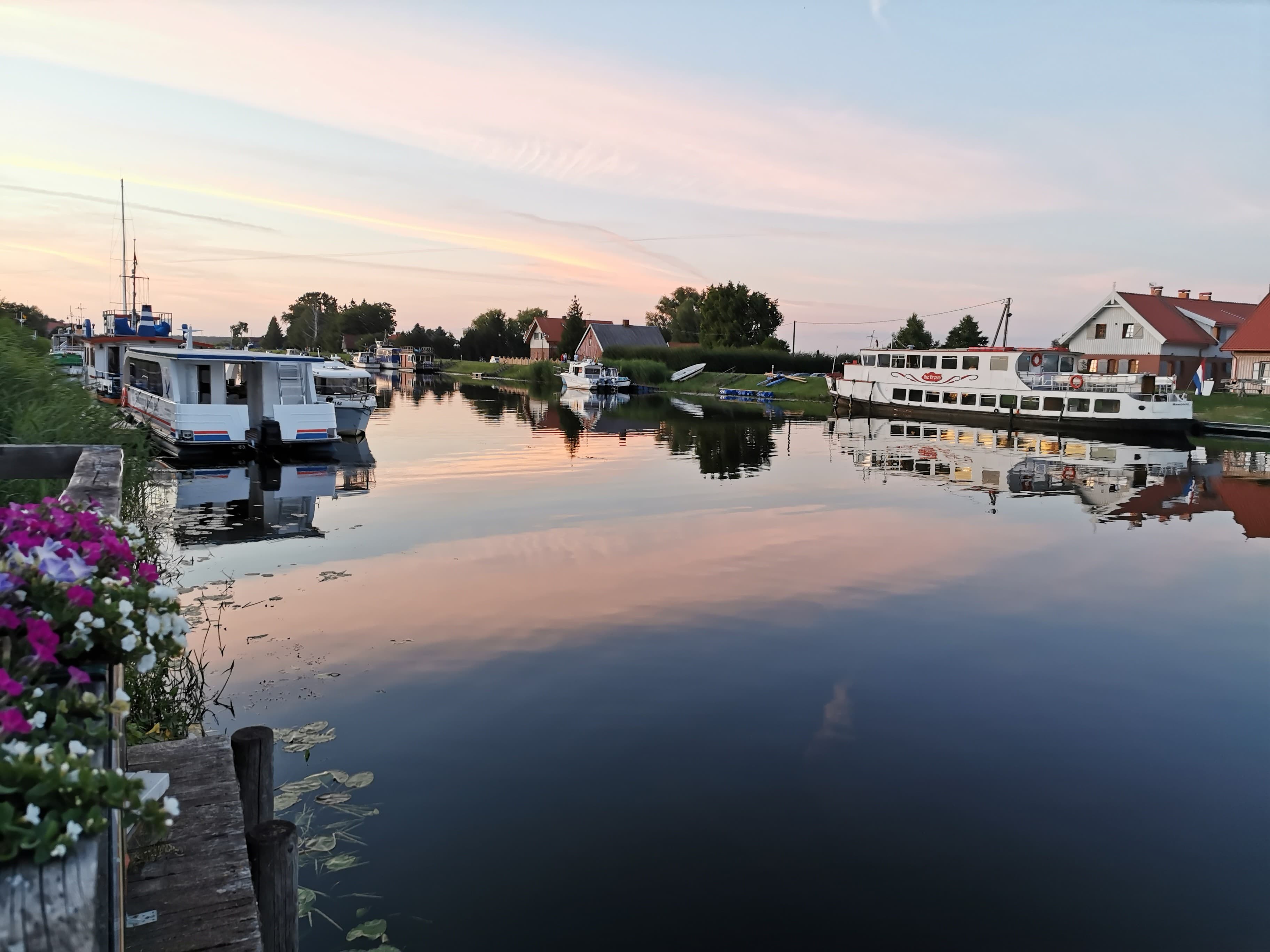
A picturesque fishing village along the Minija River where houses line both banks, boats serve as transport, and the water-centered way of life has earned it the nickname 'Lithuanian Venice.'

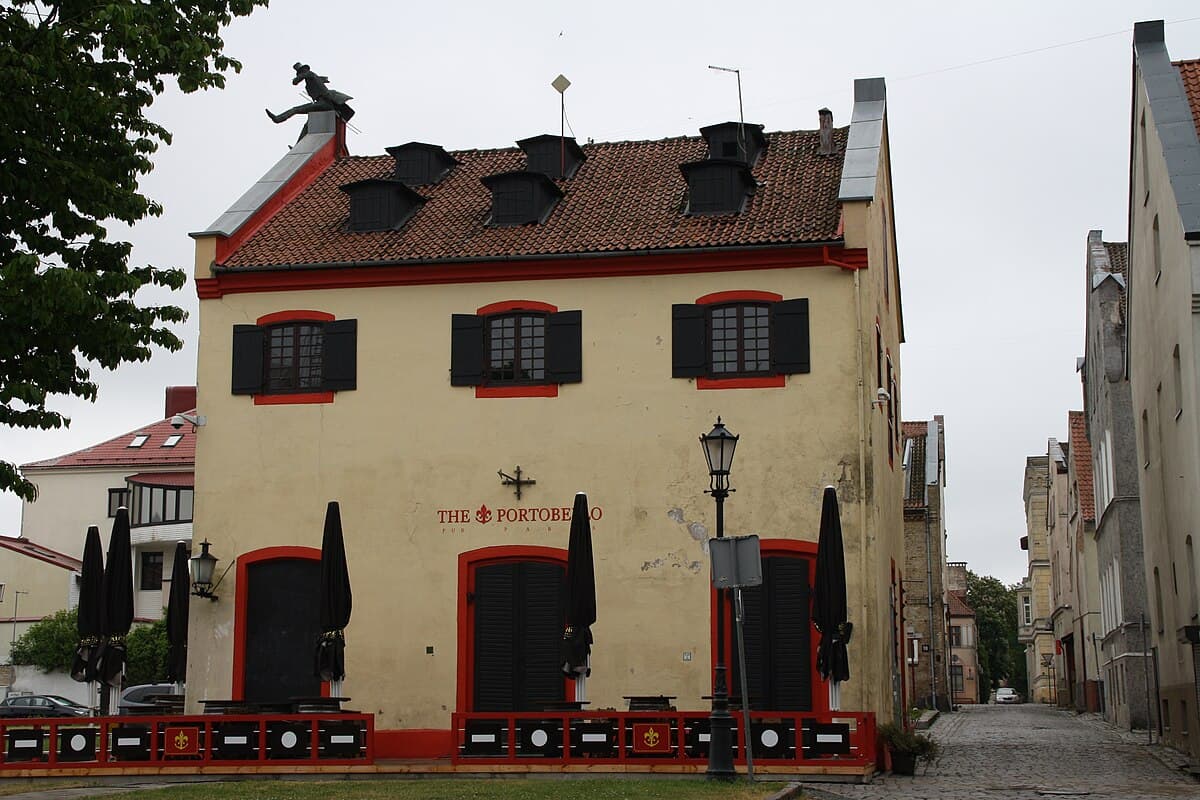
The only Prussian-German half-timbered (Fachwerk) Old Town in Lithuania — colorful timber-framed buildings from the 18th-19th century create a distinctly un-Lithuanian atmosphere.

A peaceful park in Klaipėda filled with dozens of granite and bronze sculptures — a legacy of Soviet-era sculpture symposiums that created an unexpected outdoor gallery.

A contemporary art center on the Curonian Spit hosting international artists-in-residence, exhibitions, and installations that respond to the unique dune landscape.

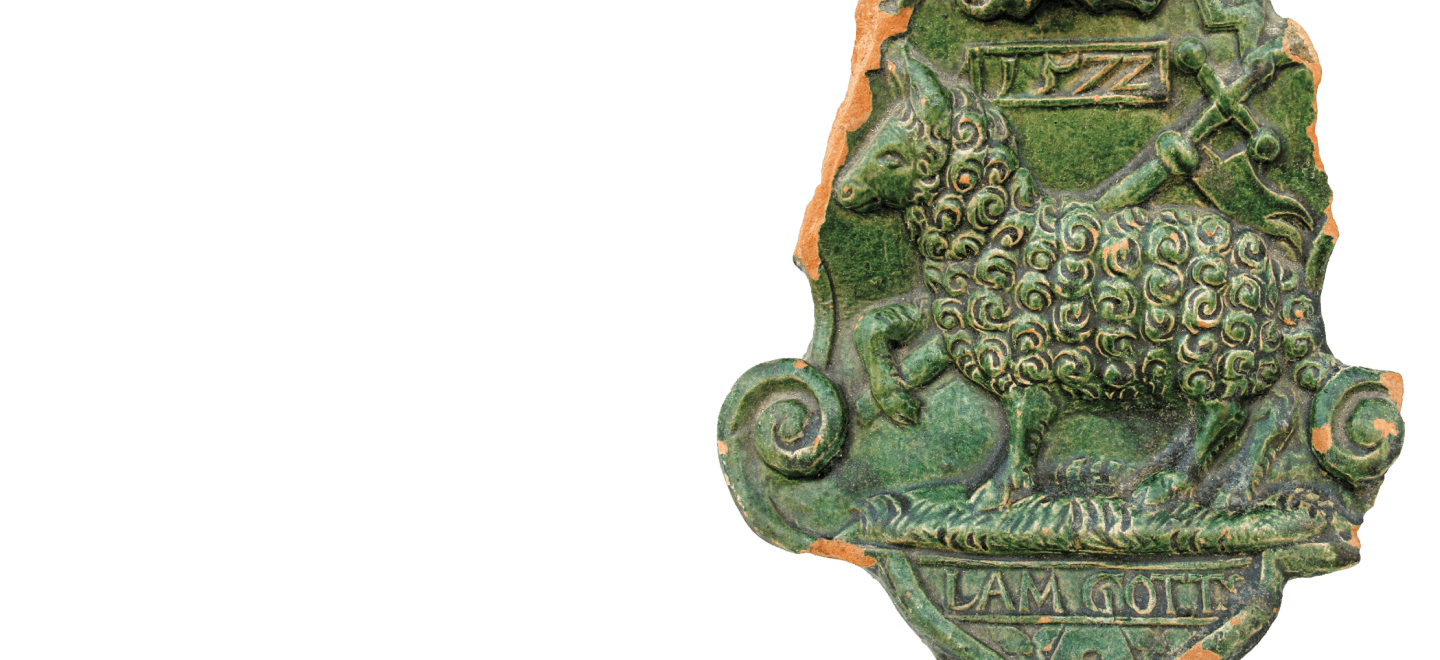
Unique decorative weathervanes from Curonian Spit fishing villages — each one identified the owner's village and served as a personal emblem on the open sea.

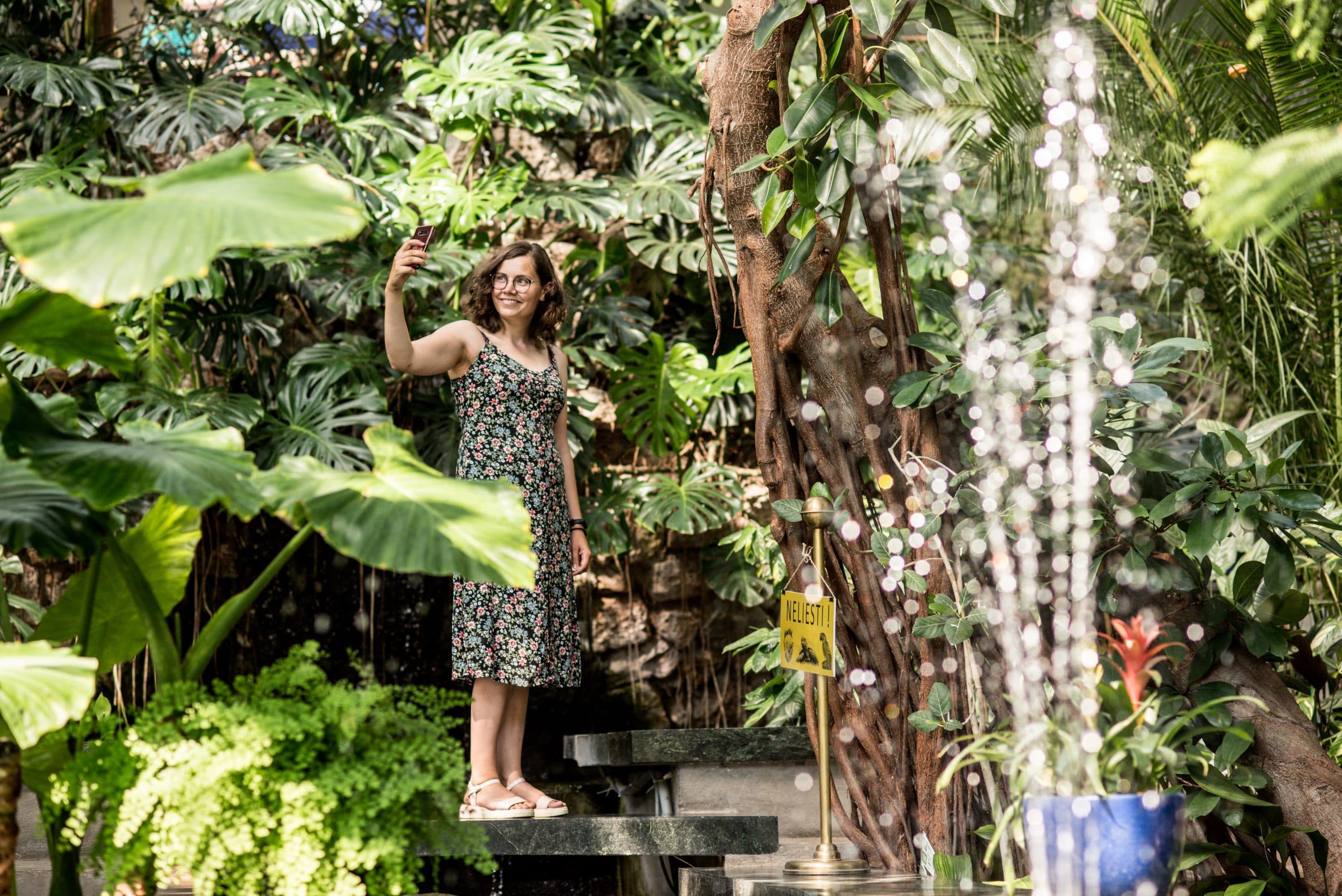
A surprising tropical oasis in western Lithuania — a historic orangery and winter garden attached to the Kretinga Manor, housing exotic plants from around the world since the 19th century.

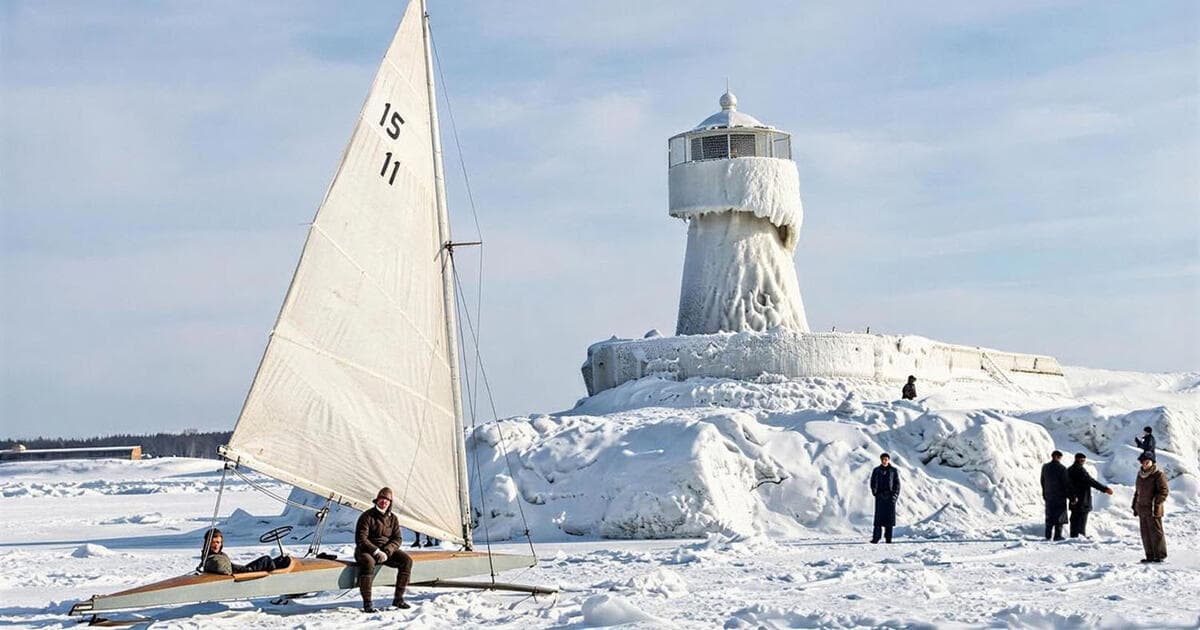
Natural ice formations along Lithuania's Baltic coast in winter — when freezing spray and waves create fantastical ice sculptures on piers, groins, and coastal structures.

A sacred hill in Palanga's botanical park where the legendary pagan priestess Birutė once tended the eternal flame — now a peaceful hilltop with a chapel and views over the Baltic.

A haunting memorial site in western Lithuania where the entire male population of Ablinga village was massacred by Nazi forces in 1941 — marked by wooden sculptures and a solemn remembrance mound.

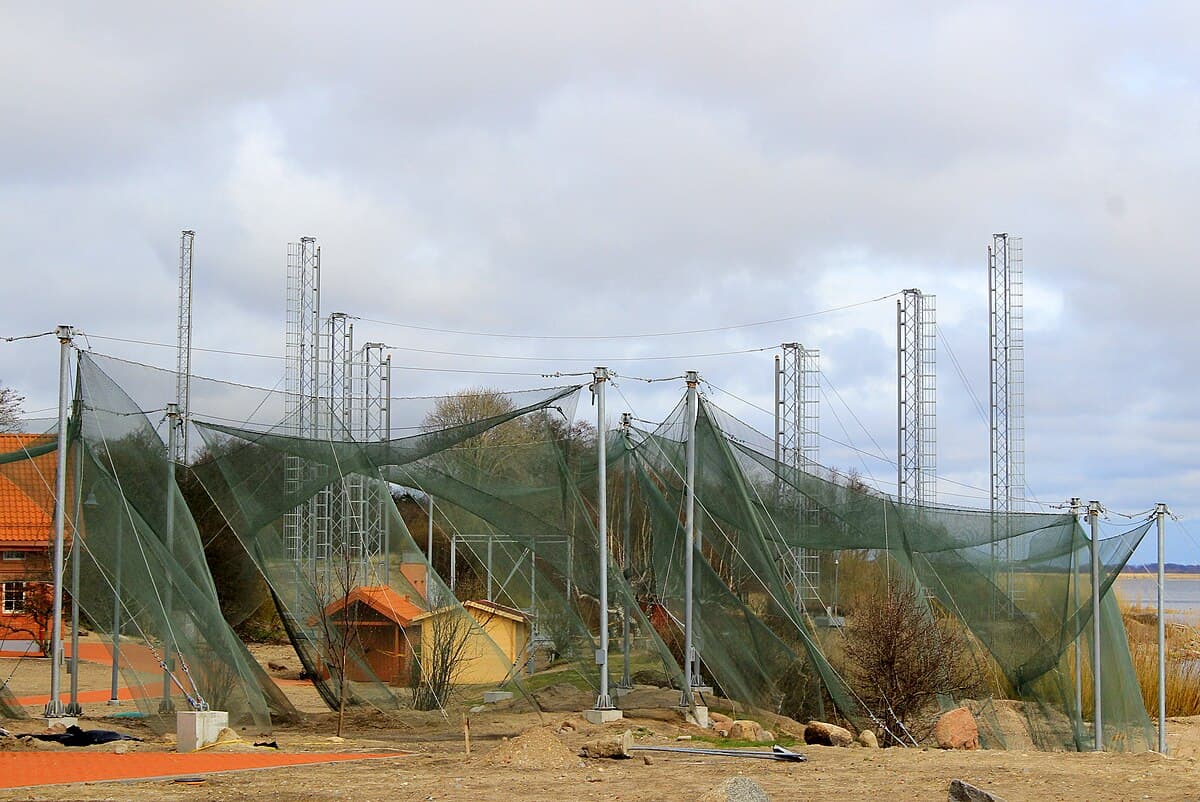
The eerie ruins of a Soviet-era military radar installation in western Lithuania — massive concrete structures and rusted equipment slowly being reclaimed by nature.

A 19th-century lighthouse on Lithuania's only cape, housing one of Europe's oldest ornithological stations — where thousands of migrating birds are ringed every season.

A dramatic coastal cliff on Lithuania's Baltic shore, rising 24 meters above the sea — once even taller before erosion claimed its distinctive cap-like summit.

The excavated remains of Lithuania's only Teutonic Knights castle on the Baltic coast — where the city of Klaipėda began over 750 years ago.

A forested hilltop on the Curonian Spit filled with dozens of wooden sculptures depicting characters from Lithuanian folklore — witches, devils, and mythical creatures.
A massive shifting sand dune on the Curonian Spit crowned with a monumental granite sundial — where Europe's highest shifting dunes meet striking modern sculpture.

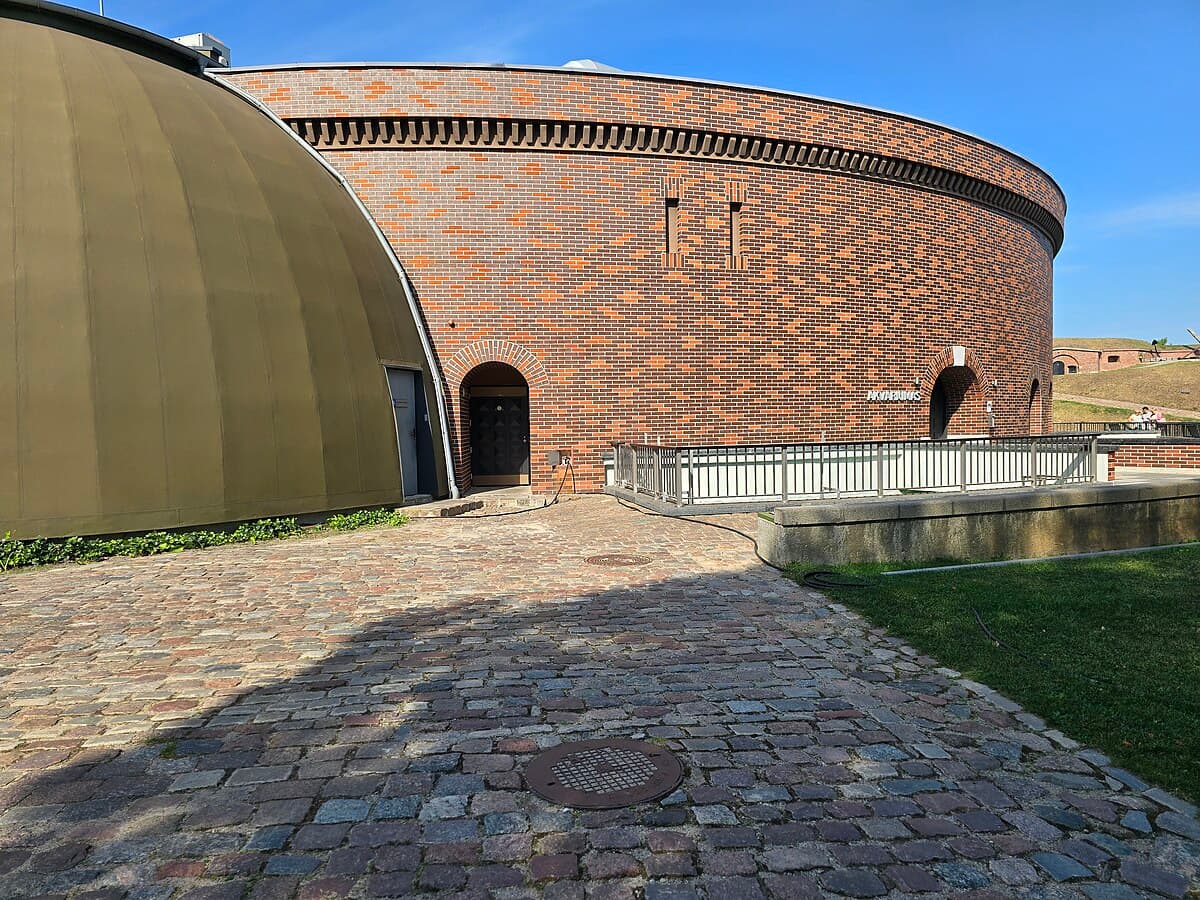
Housed in a 19th-century sea fortress on the Curonian Spit, this marine museum features aquariums, seal rehabilitation, and the only dolphin shows in the Baltic states.

A boardwalk trail through the 'Grey Dunes' of the Curonian Spit — a haunting landscape of buried forests and shifting sand that swallowed entire villages centuries ago.

The historic artists' colony on the Curonian Spit where Thomas Mann spent summers — a legacy of expressionist art that continues to inspire creatives today.

The distinctive blue-and-brown wooden fishermen's houses of the Curonian Spit — a unique vernacular architecture shaped by wind, sand, and Baltic fishing traditions.