Čepkeliai Raised Bog
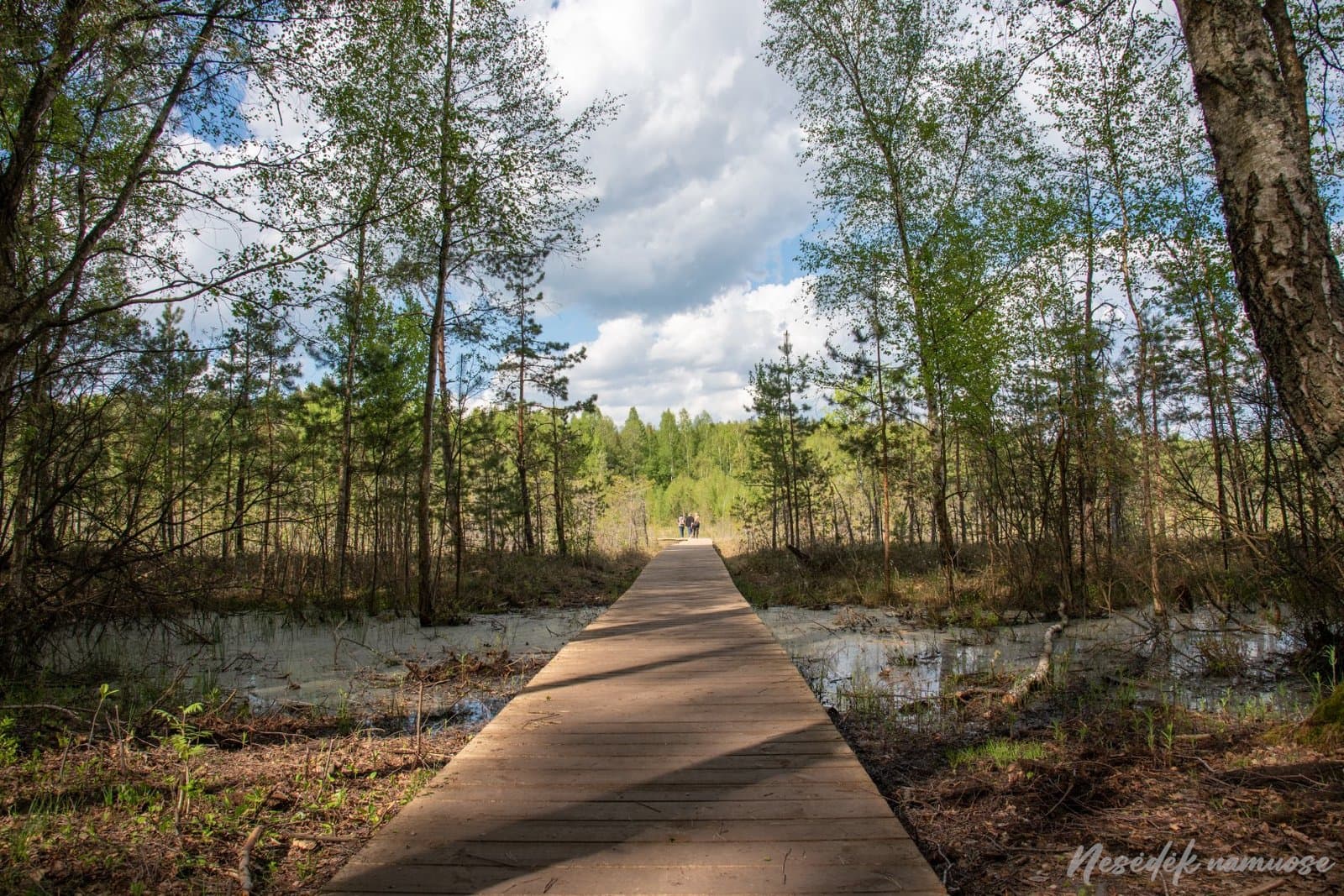
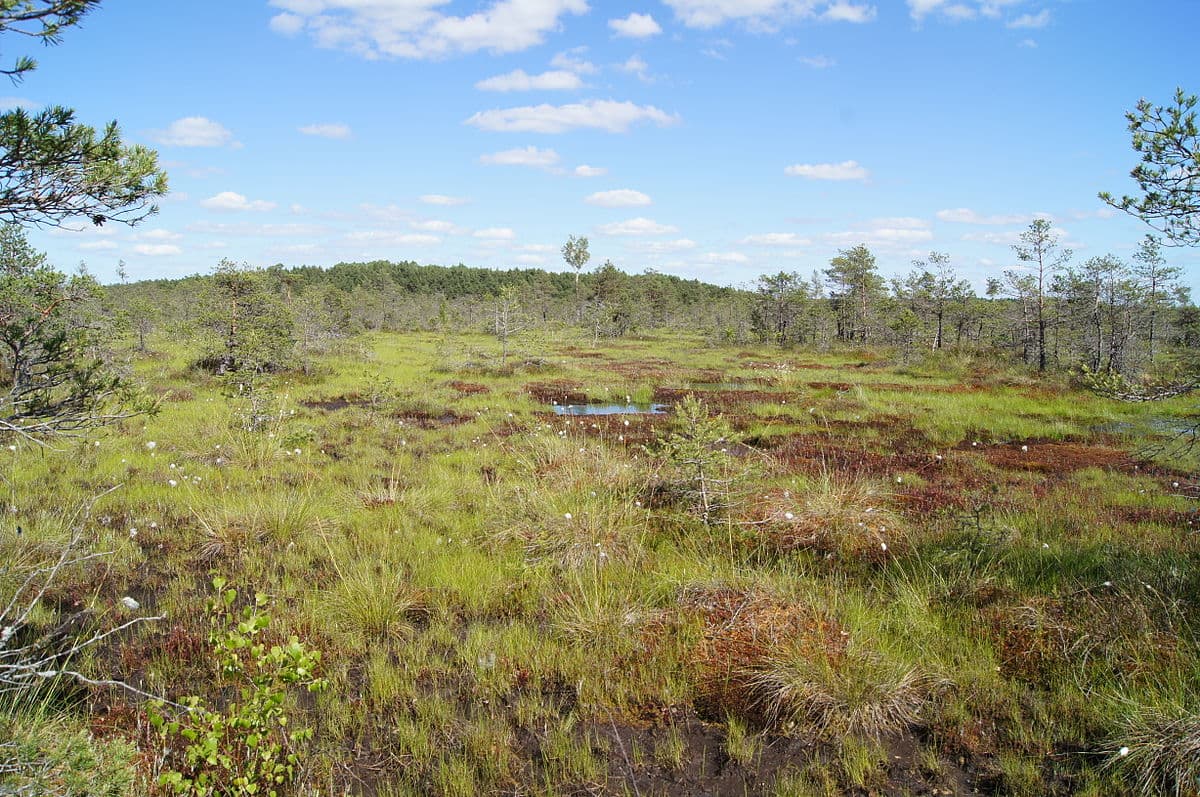
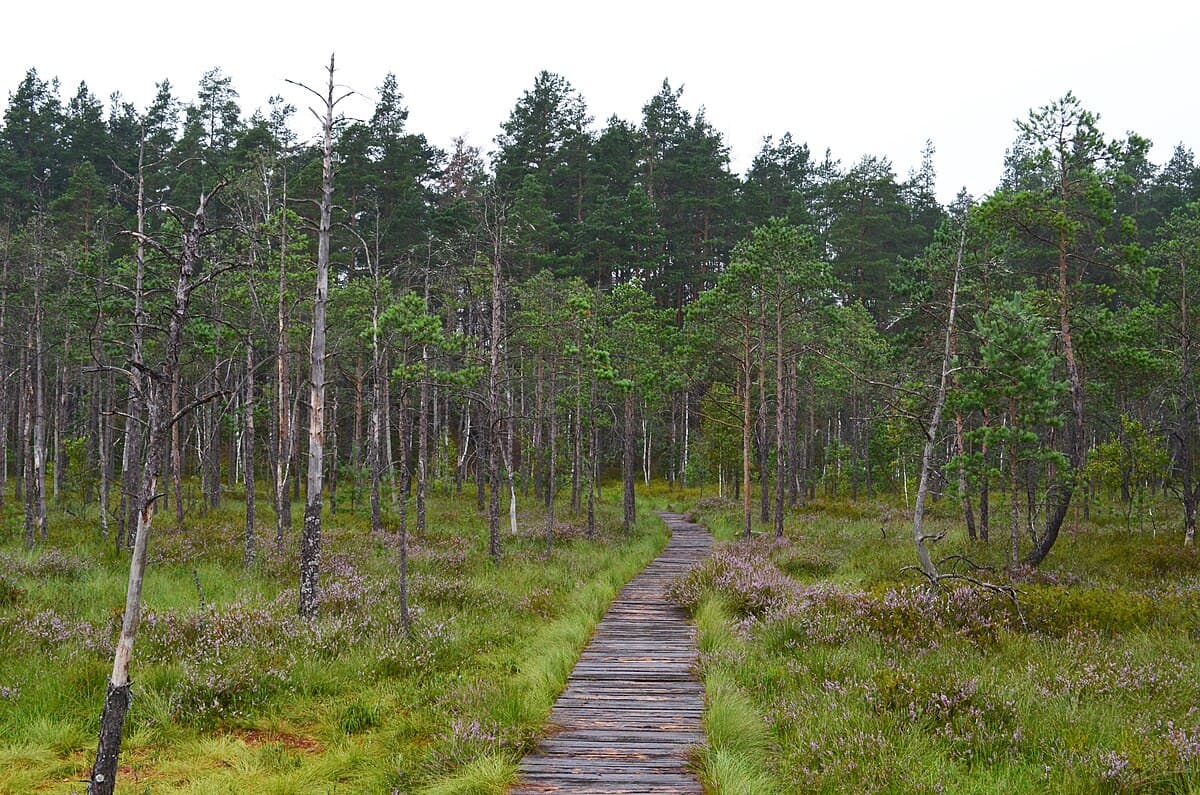
Lithuania's largest raised bog — a vast, ancient, and eerily beautiful wilderness of sphagnum moss, carnivorous plants, and rare wildlife near the Belarusian border.
Lithuania's natural landscape is far more diverse than most visitors expect. Nearly a third of the country is covered in forest, and its five national parks protect everything from ancient oak groves to vast raised bogs teeming with rare wildlife. Hidden away are crystal-clear lakes, moss-covered ravines, towering sand dunes, and some of the last truly wild corners of Europe. These nature spots offer solitude and wonder in equal measure.
27 locations in this category

Lithuania's largest raised bog — a vast, ancient, and eerily beautiful wilderness of sphagnum moss, carnivorous plants, and rare wildlife near the Belarusian border.
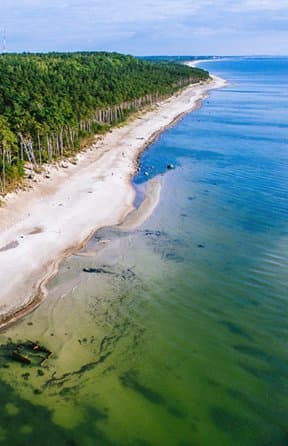
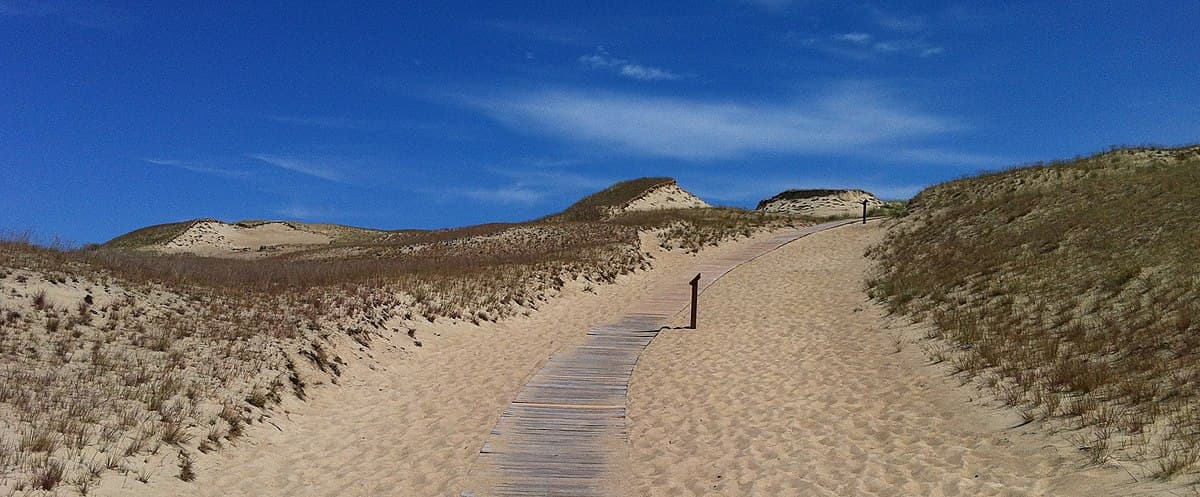
The dramatic shifting sand dunes of the Curonian Spit — a UNESCO World Heritage Site where massive dunes have buried entire villages and continue to reshape the landscape.
Lithuania's oldest national park, protecting ancient pine and oak forests, crystal-clear lakes, and traditional villages where beekeeping and folk traditions are preserved.

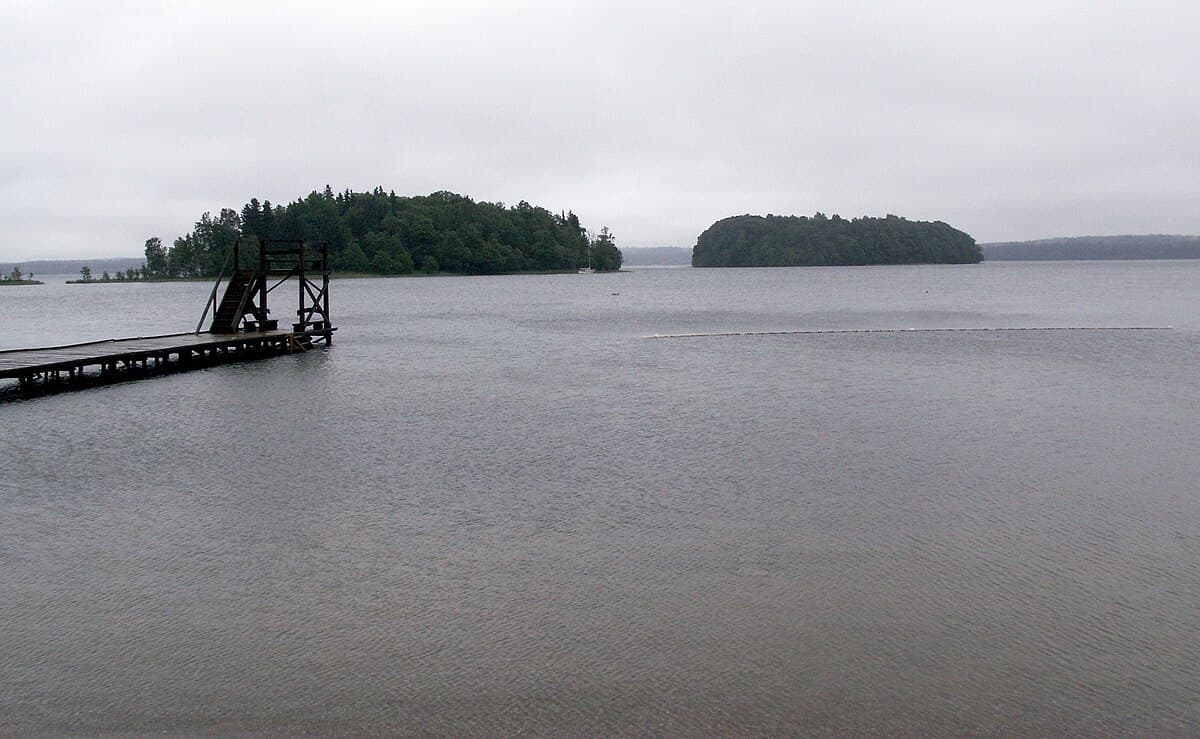
A Samogitian national park centered around the deepest lake in western Lithuania, known for mysterious legends, traditional festivals, and the secret Soviet missile base hidden in its forests.
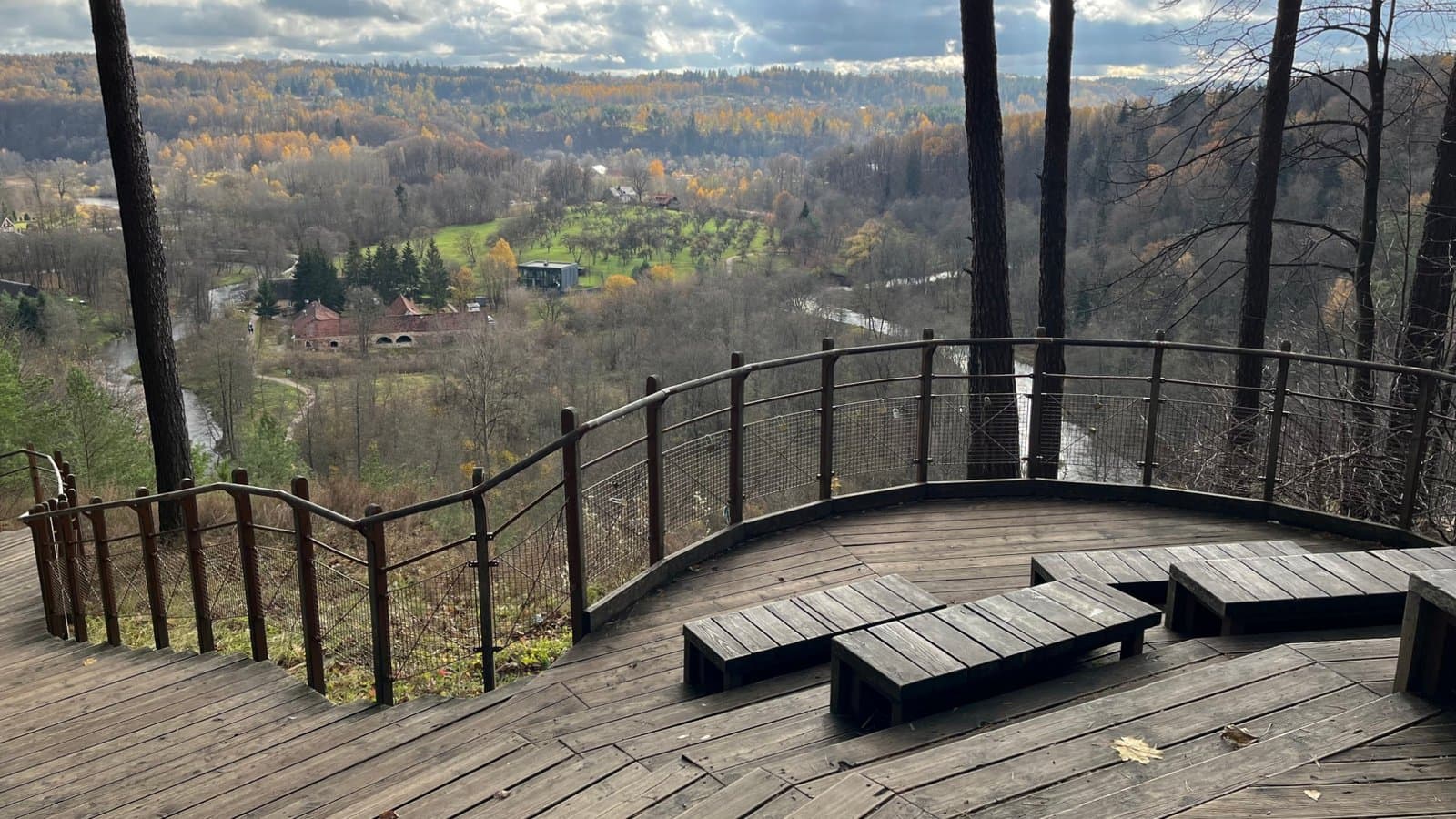
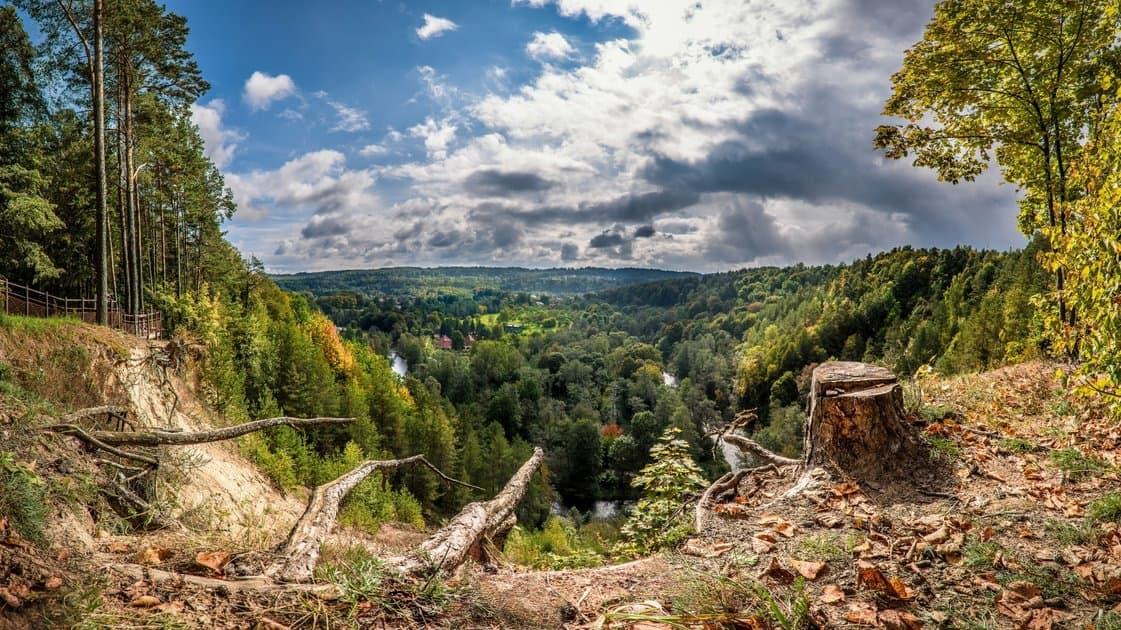
A stunning wilderness just minutes from Vilnius city center — deep river valleys, dramatic cliffs, waterfalls, and ancient forests within the capital's boundaries.

A dramatic 65-meter geological cliff face with a small waterfall in the heart of Vilnius — the city's most striking natural landmark, hidden in Pavilniai Regional Park.
A vast green corridor following the Neris River on the northern edge of Vilnius, featuring a historic palace, botanical garden, river beaches, and kilometers of forest trails.

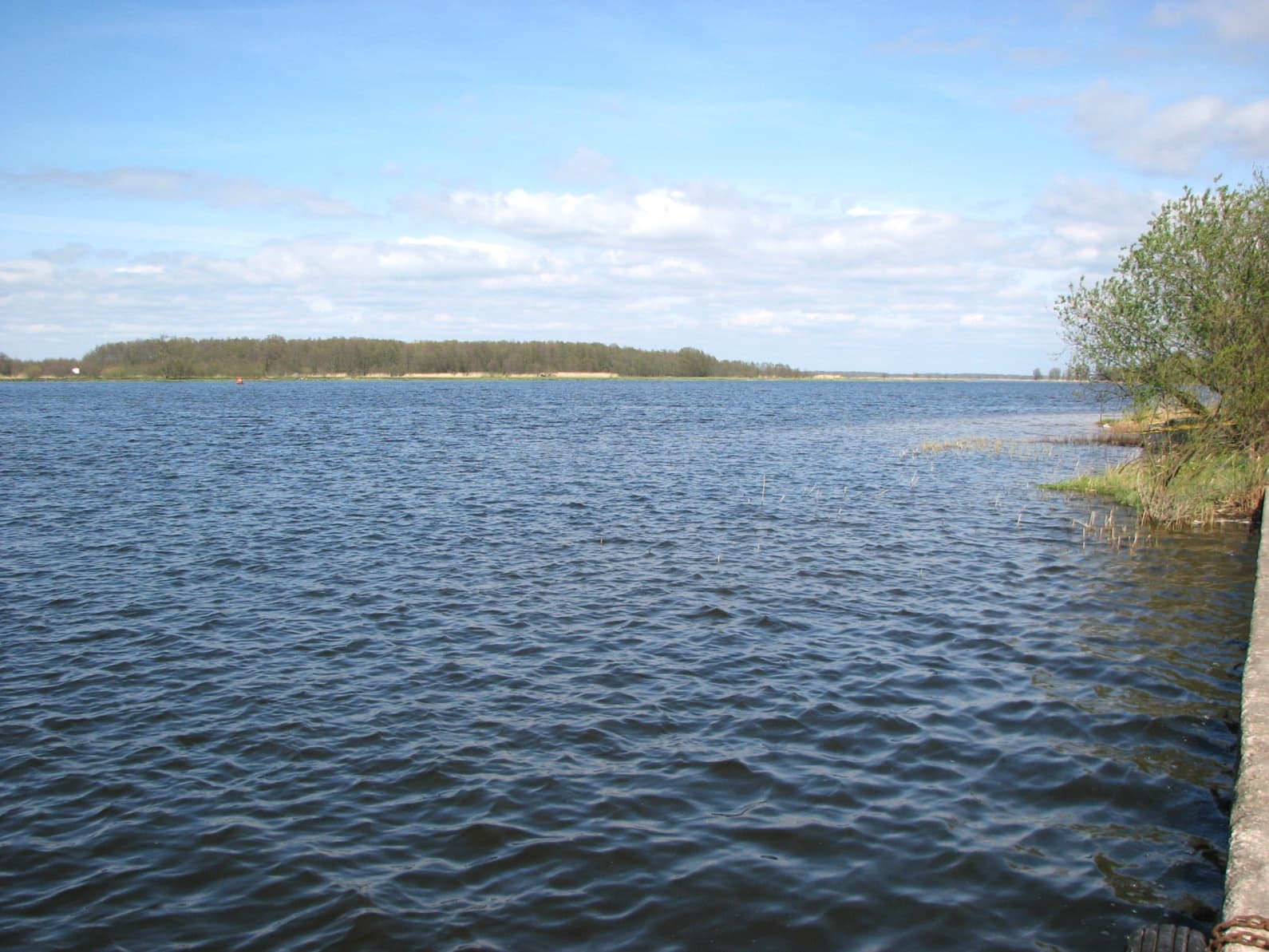
A vast wetland where the Nemunas River meets the Curonian Lagoon — one of Europe's most important bird migration corridors, with spring floods creating a temporary inland sea.

A pristine lake-and-forest landscape in northeastern Lithuania, known for its crystal-clear waters, abundant wildlife, and some of the darkest night skies in the country.

Lithuania's largest forest complex — a vast wilderness of pine, spruce, and birch covering over 55,000 hectares, famous for mushroom foraging and wolf sightings.

A scenic regional park in northern Lithuania known for its manor house, horse riding trails, diverse forests, and unique karst sinkholes hidden among rolling hills.

A scenic nature trail near Trakai winding through forests, wetlands, and lakeshores with interpretive panels explaining the ecology of Lithuania's lake district.

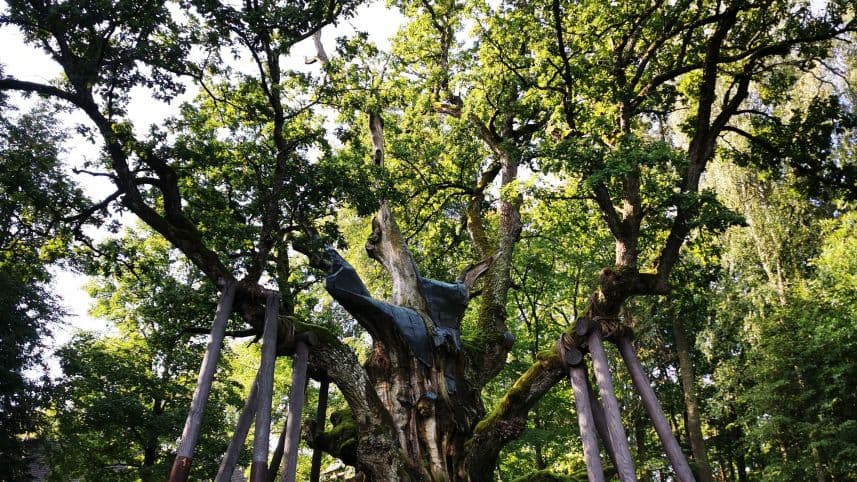
The oldest tree in Lithuania — a massive oak estimated at over 1,500 years old, standing in the churchyard of a tiny village in northeastern Lithuania near the Latvian border.

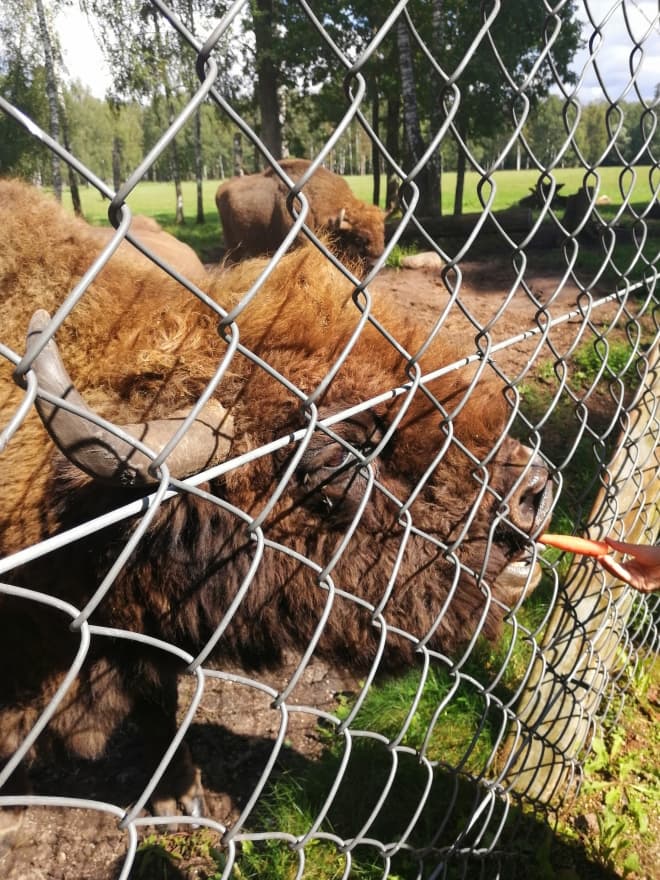
A breeding reserve for European bison (wisent) near Panevėžys — one of the few places in Lithuania where you can see these magnificent animals, Europe's largest land mammal.

A boardwalk trail through one of northern Lithuania's most pristine raised bogs — a landscape of sphagnum moss, carnivorous plants, and rare birds.
One of Lithuania's most pristine nature reserves protecting ancient floodplain forests along the Nemunas River — home to wolves, lynx, and some of the country's last wilderness.

A vast raised bog in northern Lithuania, one of the best-preserved in the Baltics — a primeval landscape of sphagnum moss, dark pools, and rare wildlife near the Latvian border.

Lithuania's oldest nature reserve protecting a vast wetland ecosystem — a critical habitat for rare birds including aquatic warblers, bitterns, and thousands of nesting waterfowl.

A vast manor park in northern Lithuania containing some of the country's rarest trees — including imported species from around the world planted by botanist-nobility in the 19th century.
Lithuania's famous treetop walkway — a 300-meter elevated path through the forest canopy culminating in a 34-meter observation tower shaped like a DNA helix.

Vilnius's hidden geological wonder — a dramatic 65-meter high sandy cliff carved by the Vilnia River, also known as Lithuania's 'Grand Canyon' and accessible within the city limits.

A dramatic coastal cliff on Lithuania's Baltic shore, rising 24 meters above the sea — once even taller before erosion claimed its distinctive cap-like summit.

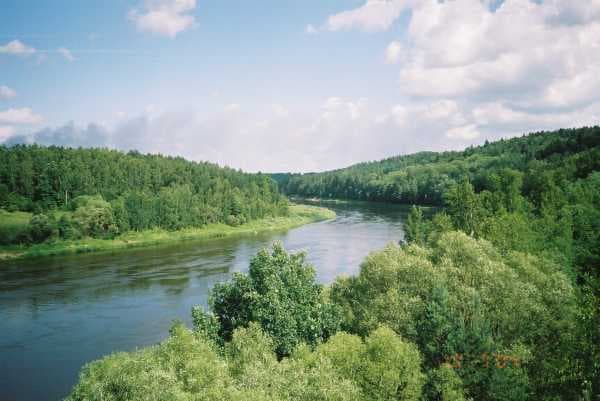
Where the Nemunas River carves dramatic oxbow loops through forested hills — Lithuania's most scenic river landscape, with viewpoints, castles, and ancient hillforts.

A pristine lakeland wilderness in Lithuania's far northeast — dozens of crystal-clear lakes connected by streams, surrounded by ancient forests and barely touched by tourism.

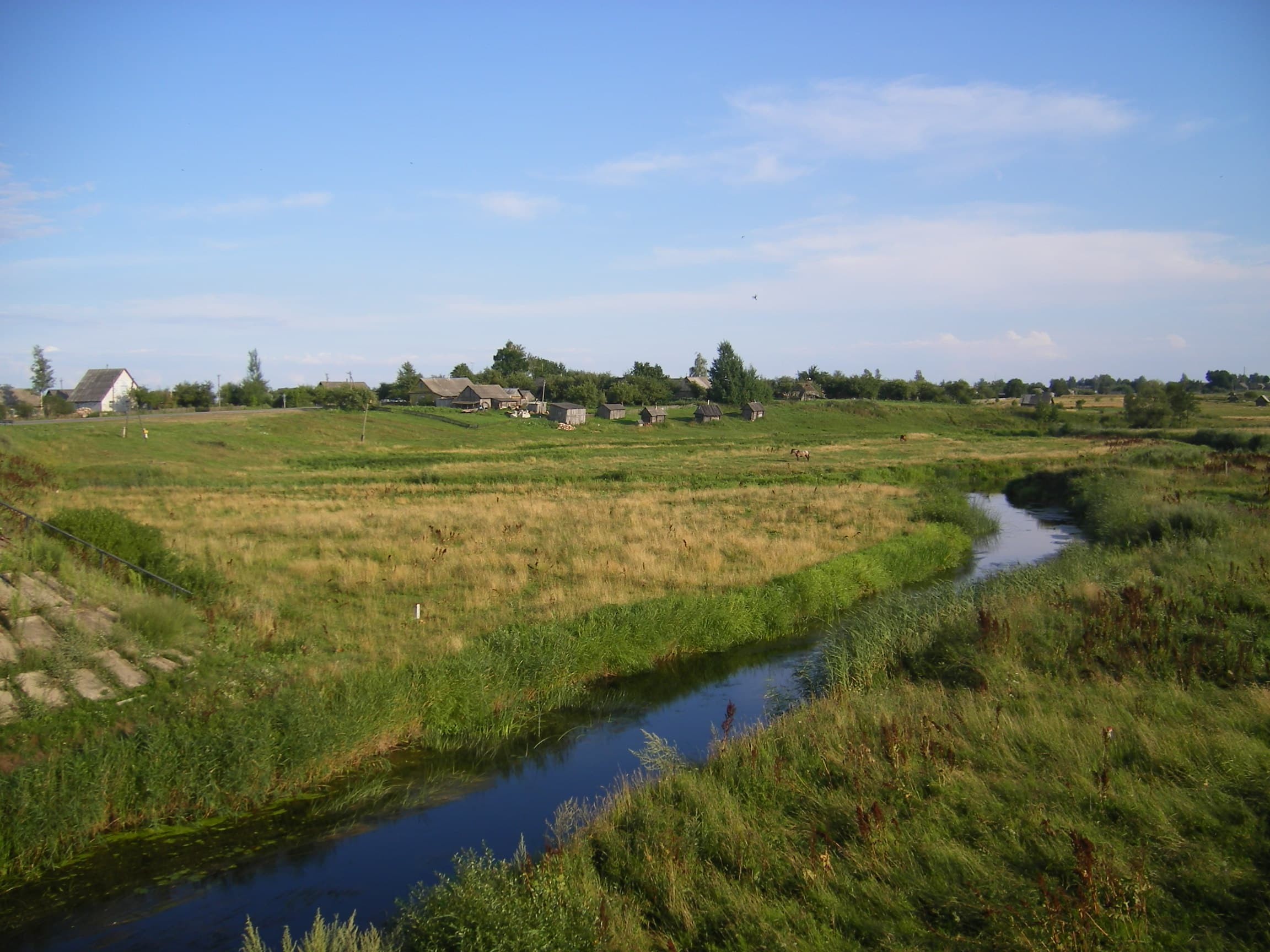
Lithuania's wild west — a vast wetland delta where the Nemunas River meets the Curonian Lagoon, home to extraordinary birdlife and a landscape that floods spectacularly each spring.

A boardwalk trail through the 'Grey Dunes' of the Curonian Spit — a haunting landscape of buried forests and shifting sand that swallowed entire villages centuries ago.
A network of historic fishponds near Tytuvėnai monastery that has become an important wetland habitat — where centuries-old fish farming coexists with remarkable bird diversity.