Kėdainiai Old Town Multicultural Quarter
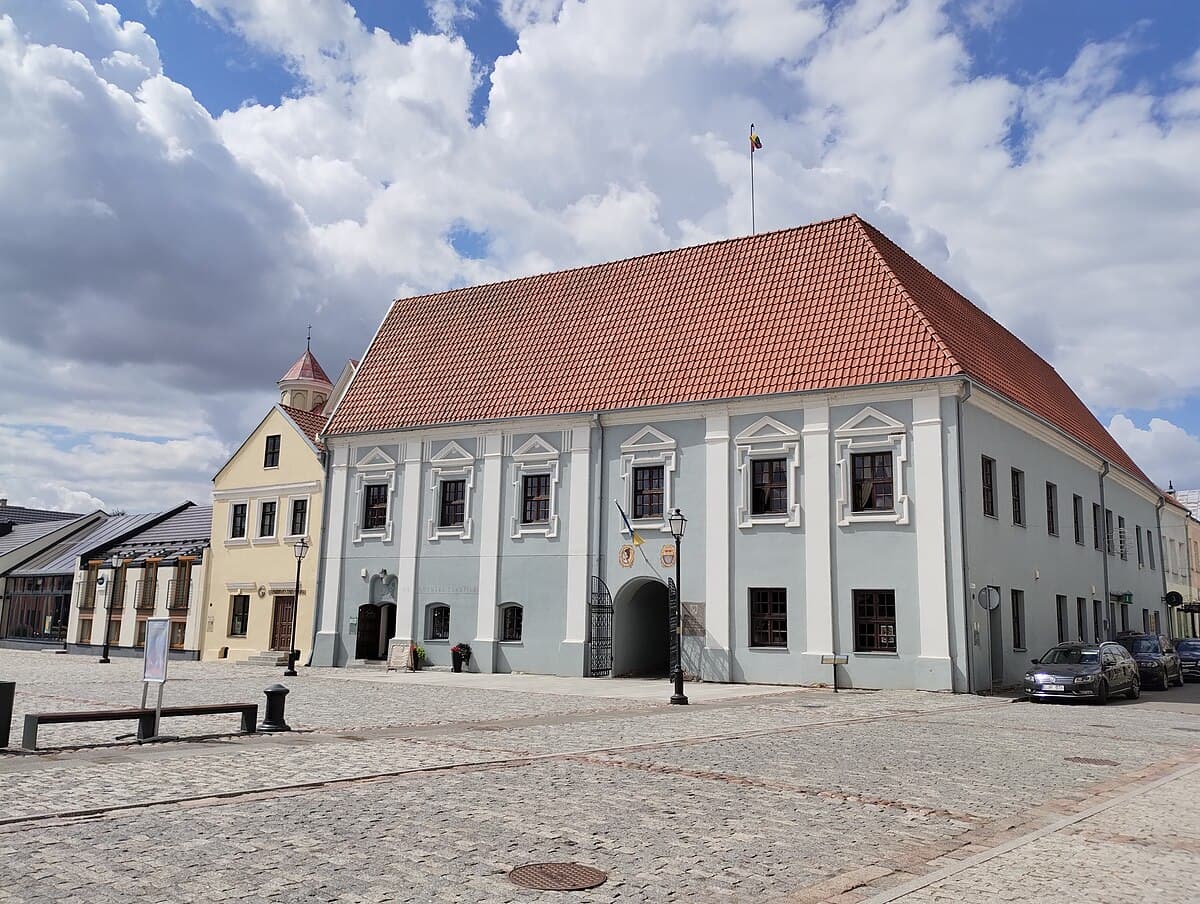
One of Lithuania's best-preserved Old Towns, where Lithuanian, Jewish, Scottish, and German heritage blend in a remarkable multicultural tapestry spanning five centuries.
Lithuania's history is full of fascinating curiosities that don't fit neatly into standard guidebooks. The geographical center of Europe (as calculated by the French National Geographic Institute) lies just north of Vilnius. A tiny village claims to be the birthplace of the Karaim people's Lithuanian community. An entire hill is covered in hundreds of thousands of crosses placed over centuries. These historic curiosities reveal the unexpected, often bizarre stories that make Lithuania's past so compelling.
22 locations in this category

One of Lithuania's best-preserved Old Towns, where Lithuanian, Jewish, Scottish, and German heritage blend in a remarkable multicultural tapestry spanning five centuries.

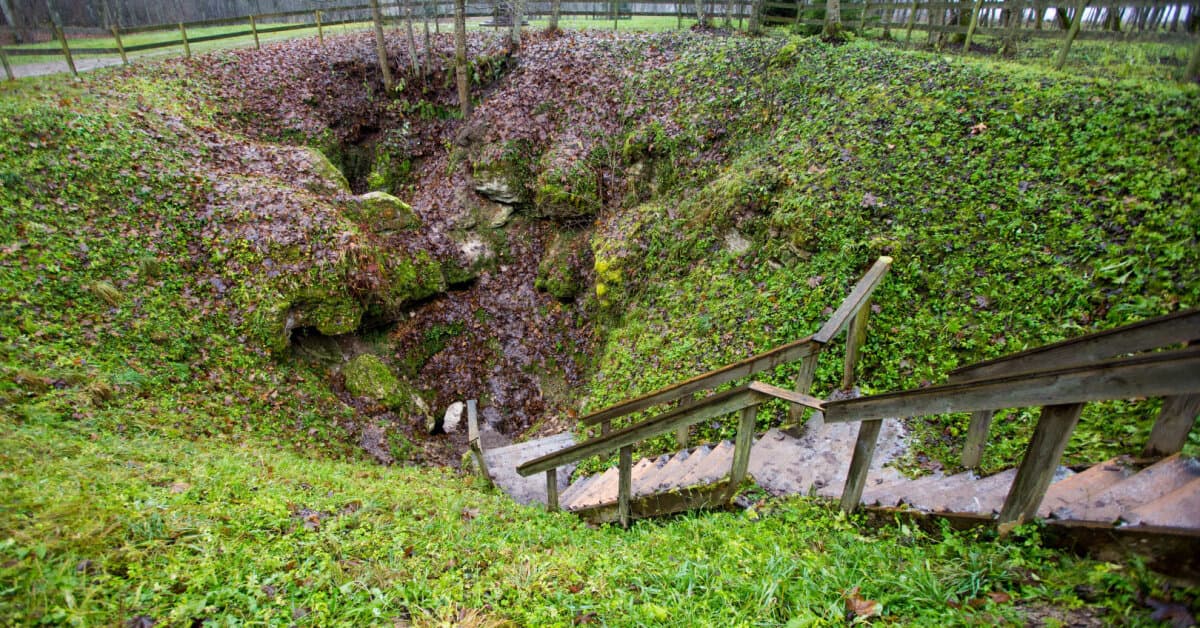
A reconstructed Renaissance castle surrounded by one of Lithuania's most unusual geological landscapes — a region riddled with sinkholes, karst caves, and mysterious underground rivers.
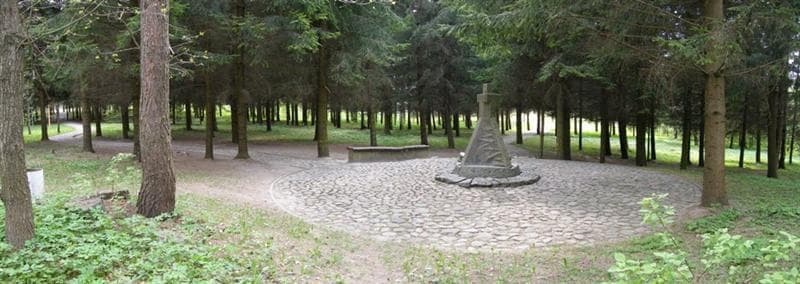
A deeply moving Holocaust memorial in the forests southwest of Vilnius, marking the site where approximately 100,000 people — mostly Jews — were murdered during World War II.
A 19th-century fortress on the outskirts of Kaunas that became a site of mass murder during WWII — now a powerful museum and memorial dominated by a striking Soviet-era monument.

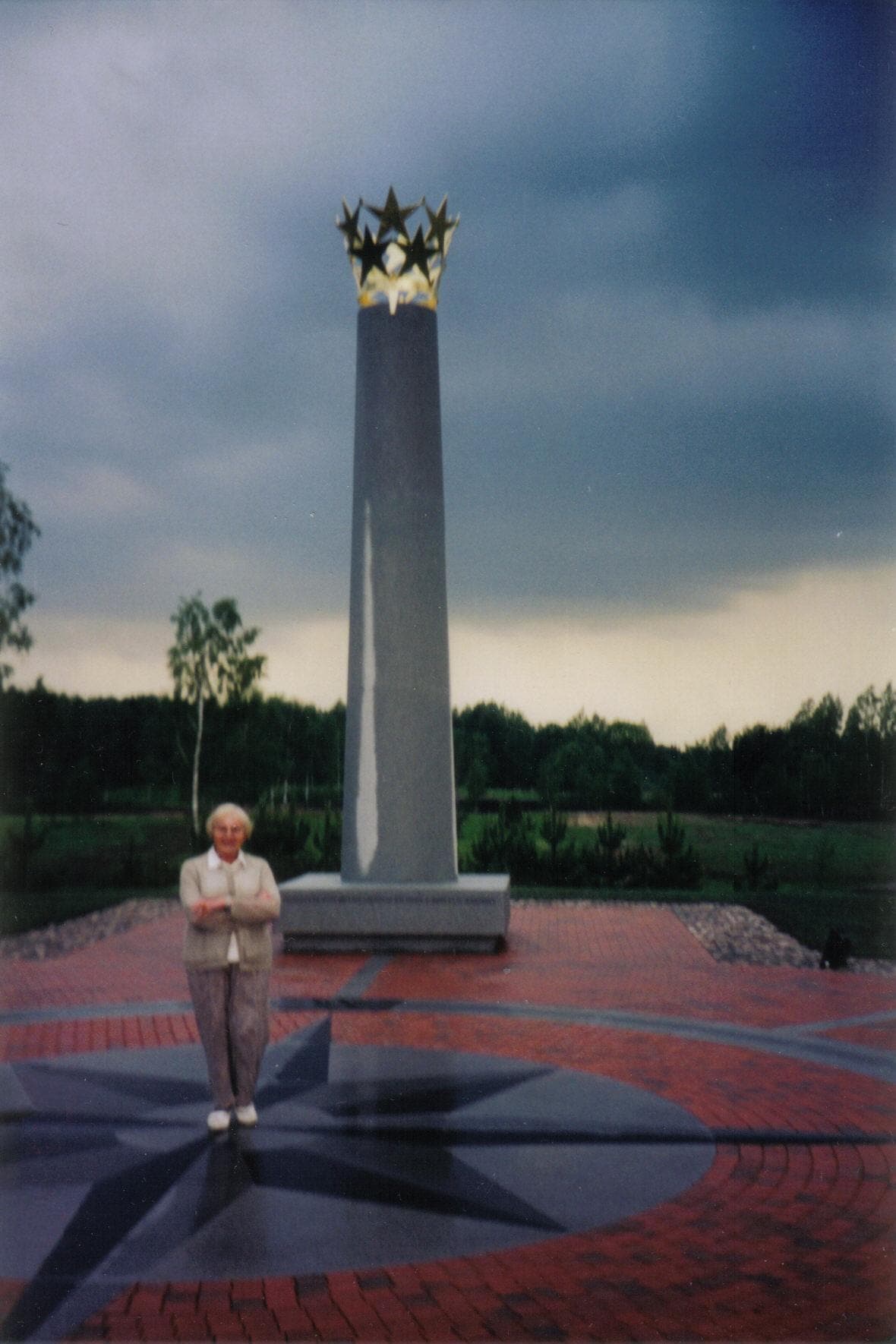
The official geographical center of Europe, as calculated by the French National Geographic Institute — marked by a monument and sculpture park 26 km north of Vilnius.

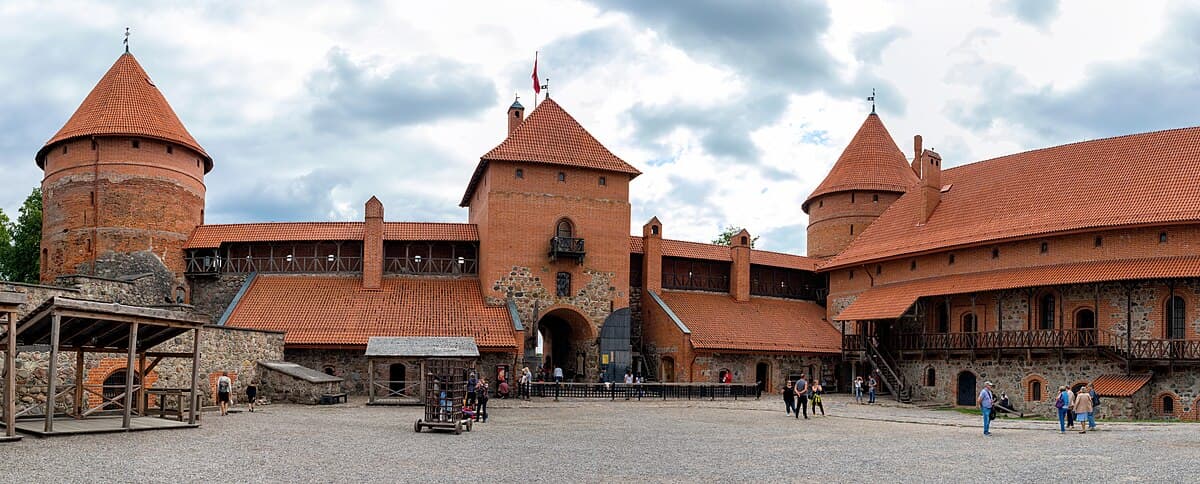
A fairy-tale red-brick castle on an island in Lake Galvė — the most iconic image of Lithuania and the former residence of the Grand Dukes of the Lithuanian medieval superpower.

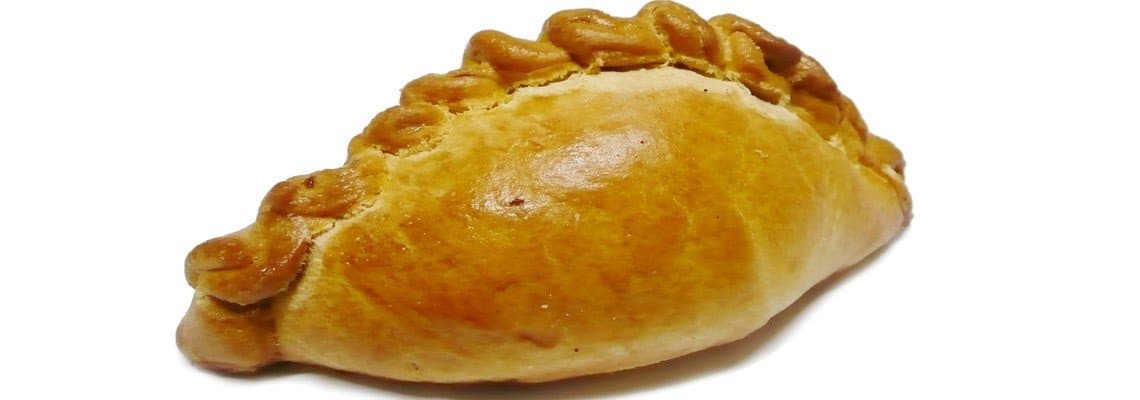
One of the last surviving Karaim communities in Europe — a Turkic people brought to Lithuania by Grand Duke Vytautas in the 14th century, maintaining their unique language, religion, and cuisine.

One of the largest open-air ethnographic museums in Europe — over 180 authentic buildings from across Lithuania recreating village life from the 18th-20th centuries.

Unique decorative weathervanes from Curonian Spit fishing villages — each one identified the owner's village and served as a personal emblem on the open sea.

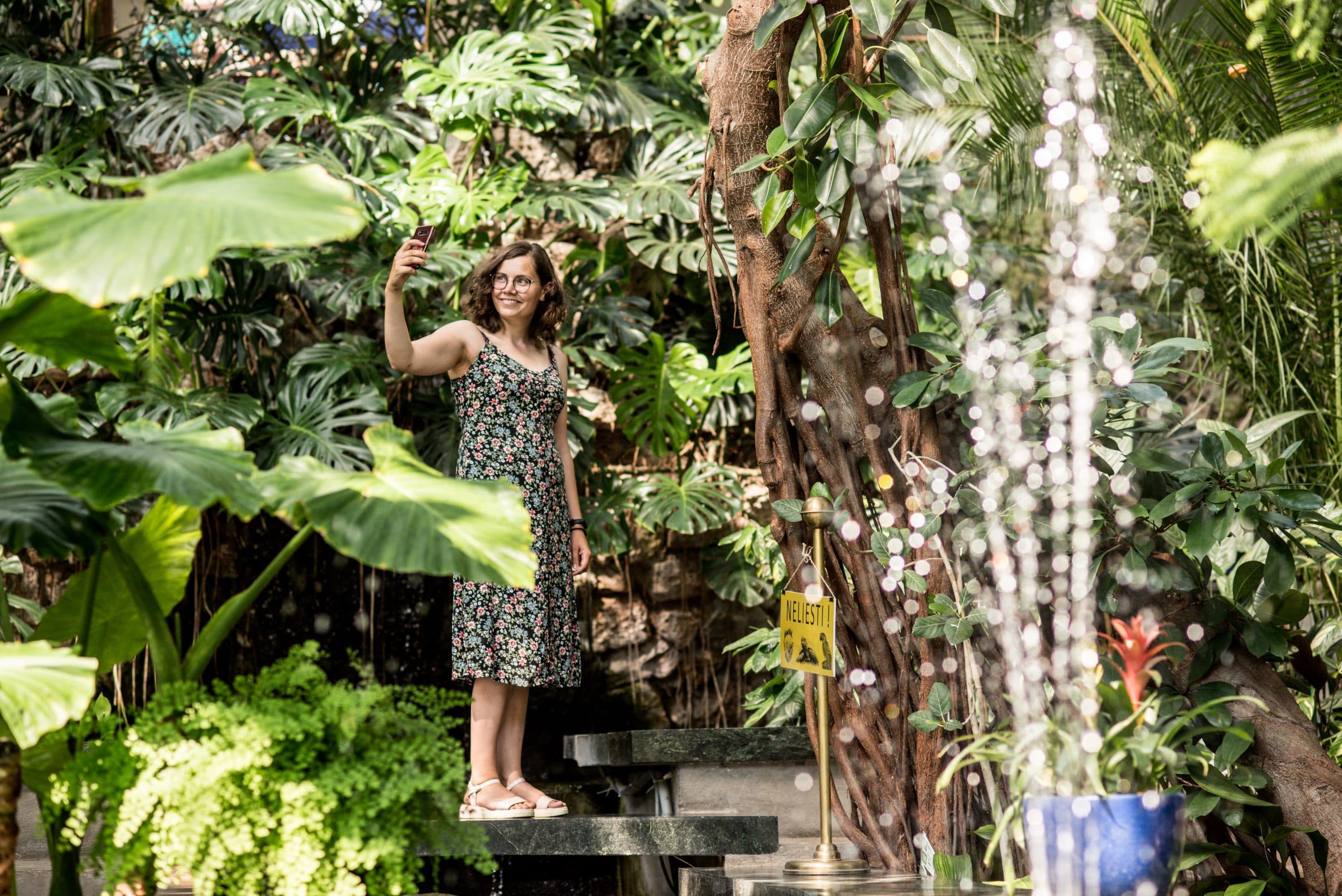
A surprising tropical oasis in western Lithuania — a historic orangery and winter garden attached to the Kretinga Manor, housing exotic plants from around the world since the 19th century.

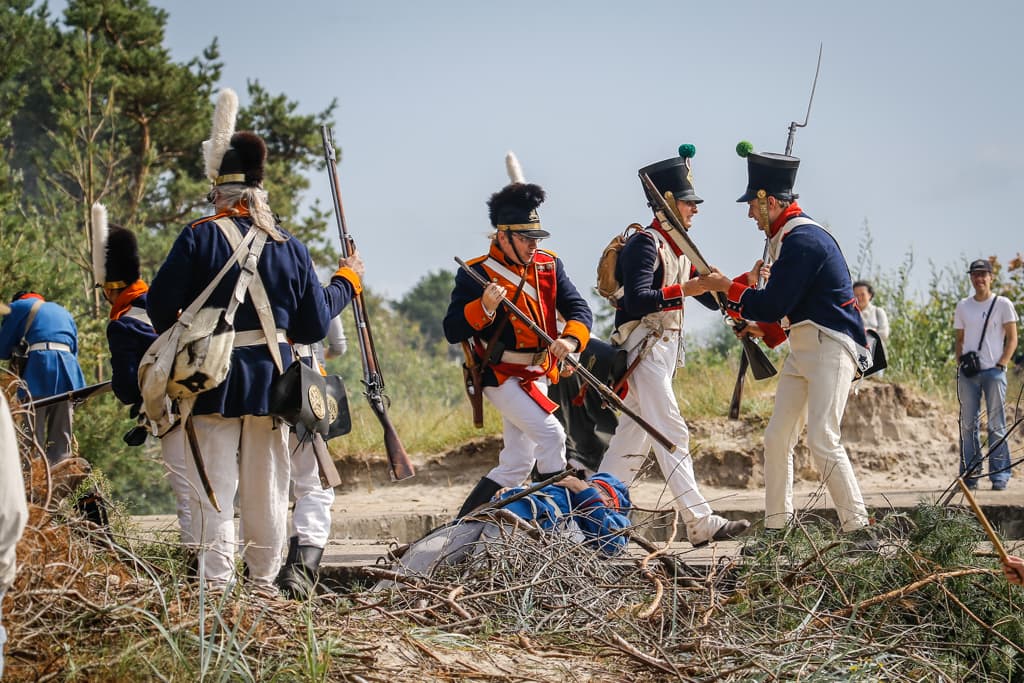
Markers and monuments tracing Napoleon's fateful march through Lithuania in 1812 — from his triumphant crossing of the Nemunas to the devastating retreat that destroyed his Grande Armée.

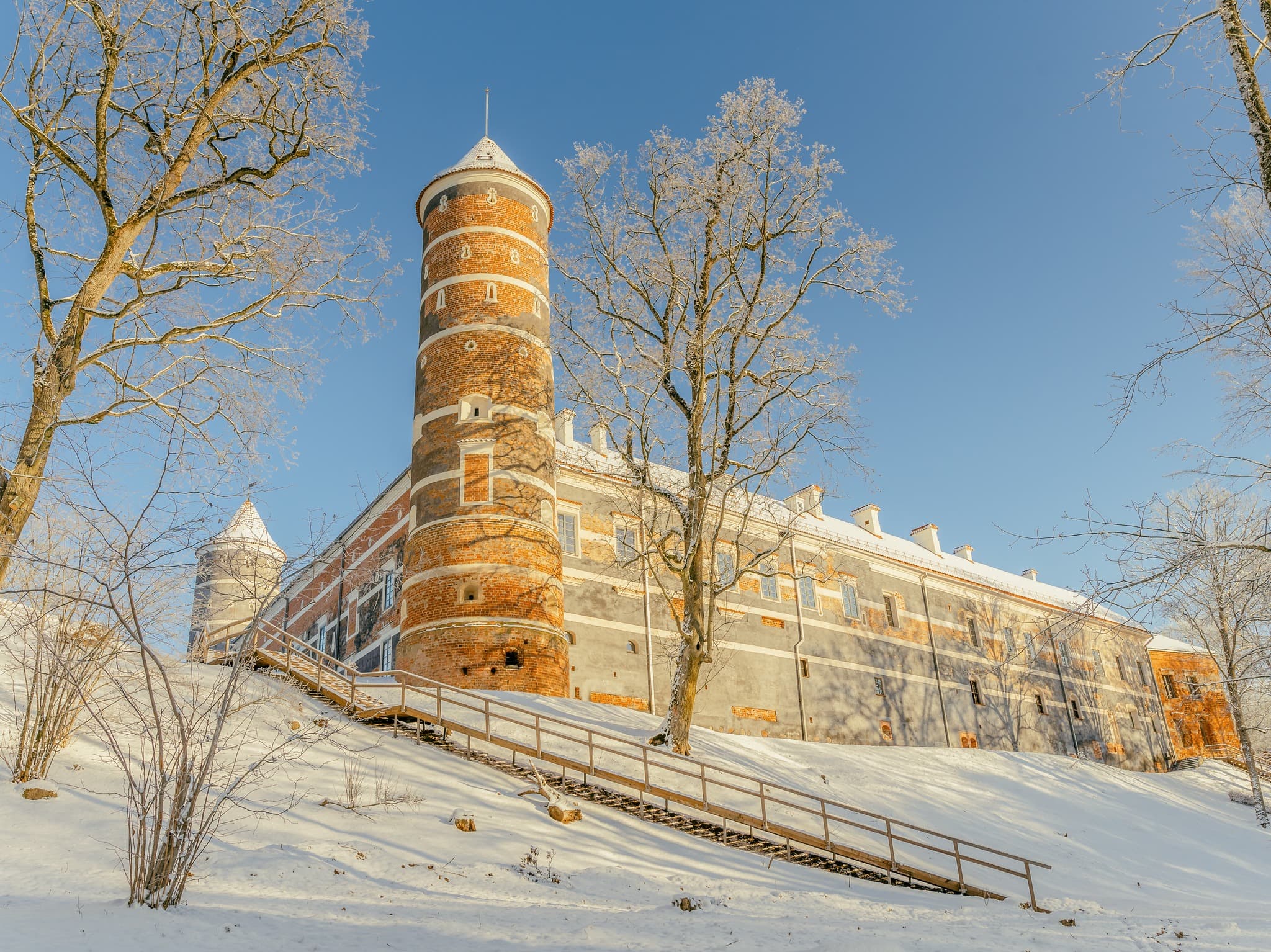
A Renaissance castle on the banks of the Nemunas River, beautifully restored and housing a museum — one of three castles forming the scenic 'Panemunė Castles Route.'

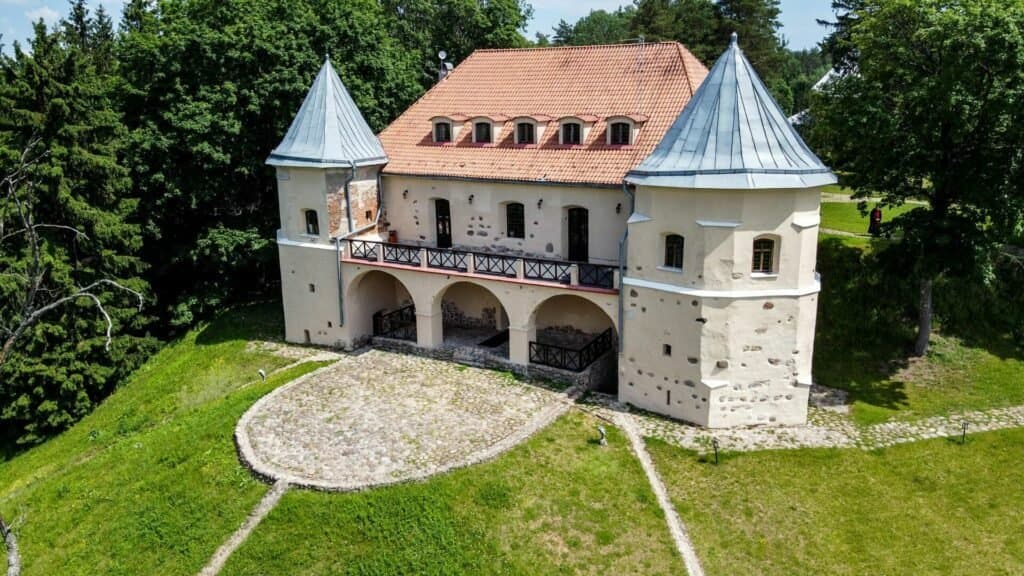
Lithuania's only privately owned medieval castle — a small but well-preserved 16th-century fortress near the Belarusian border that operates as a hotel and restaurant.
A massive 19th-century fortress complex that became one of the most significant Holocaust sites in Lithuania — now a powerful museum and memorial.

A Renaissance-era castle beside a lake that formed in a geological sinkhole — in a region riddled with underground karst caves and sudden land collapses.

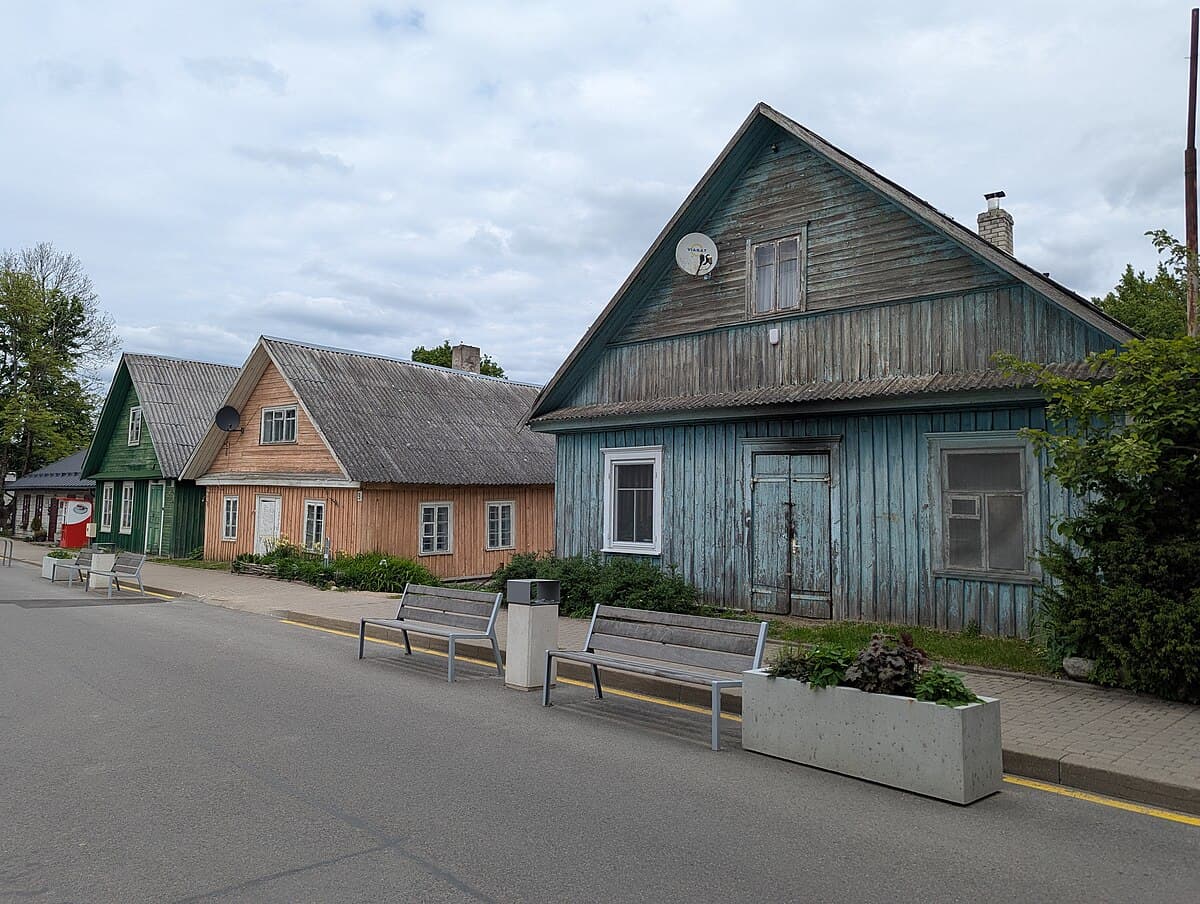
The cultural heritage of the Karaim people — a tiny Turkic ethnic group brought to Lithuania in the 14th century, whose unique houses, kenesa temple, and cuisine survive in Trakai.

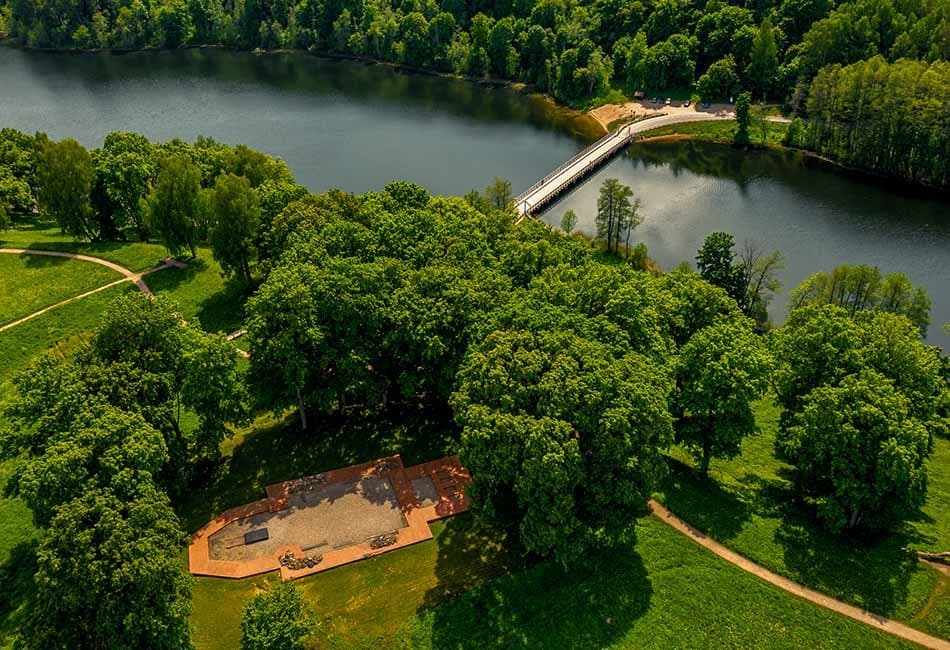
Lithuania's first known capital — a UNESCO World Heritage Site with five dramatic hillfort mounds and archaeological remains spanning 11,000 years of human habitation.

The excavated remains of Lithuania's only Teutonic Knights castle on the Baltic coast — where the city of Klaipėda began over 750 years ago.
The iconic tower crowning Vilnius's Upper Castle — the symbolic heart of Lithuania and the spot where the founding legend of Vilnius begins.

An island fortress site in Lake Asveja — Lithuania's longest lake — where powerful medieval nobles built a castle and the ruins still rise from the water.

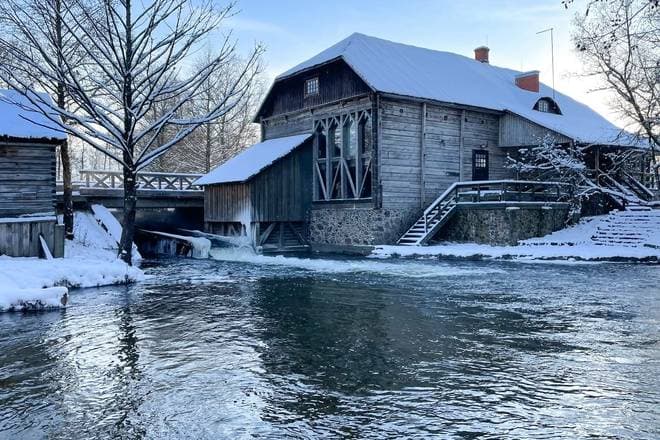
A beautifully restored 19th-century watermill in Aukštaitija National Park — the last working watermill in Lithuania, still grinding flour with water power.

A haunting memorial to 73 Lithuanian political prisoners massacred by the Soviet NKVD in June 1941 — one of the most powerful and painful memorial sites in Lithuania.