Republic of Užupis
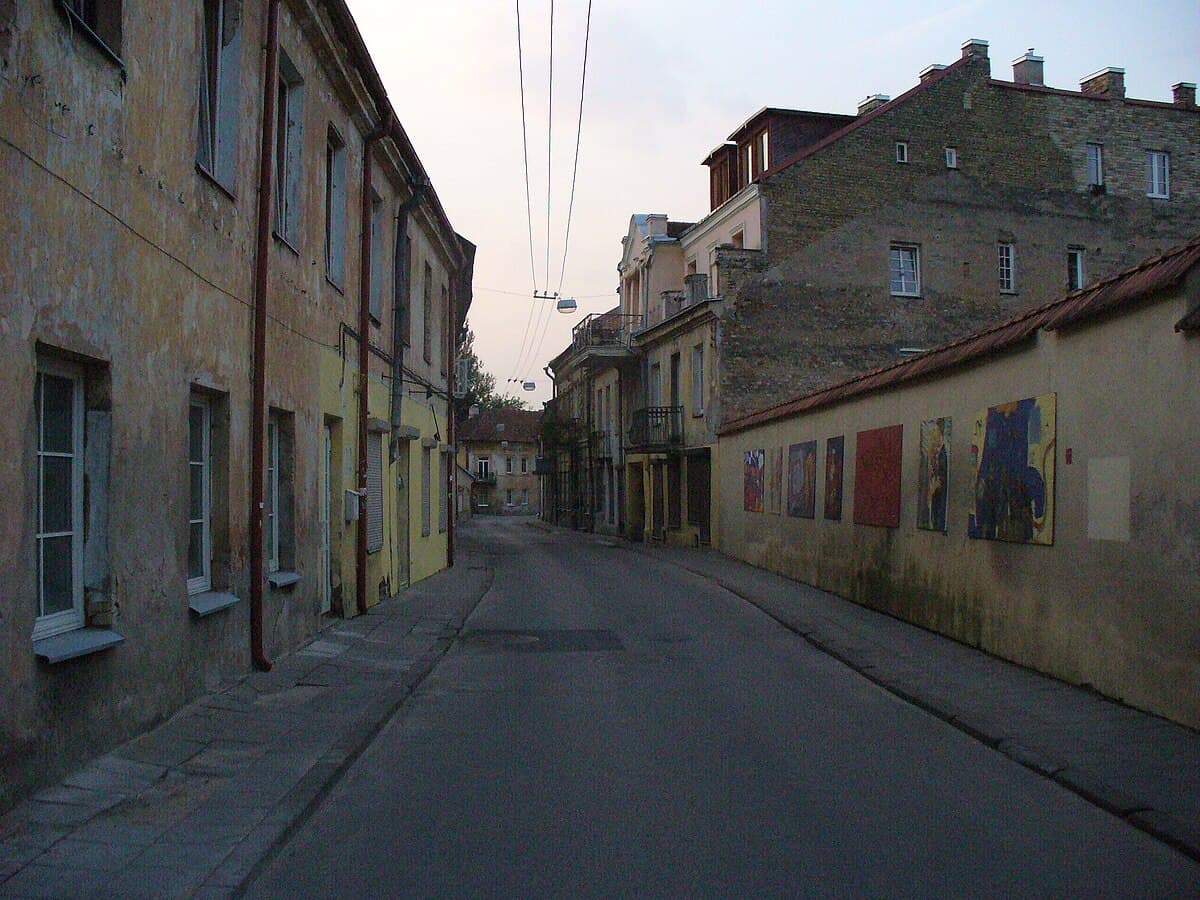
A self-declared independent republic in the heart of Vilnius, complete with its own constitution, president, anthem, and a 41-article Bill of Rights that includes the right of a cat to not love its owner.
The capital region, home to Lithuania's largest city and its surrounding forests, lakes, and historic sites.
47 locations found in this region

A self-declared independent republic in the heart of Vilnius, complete with its own constitution, president, anthem, and a 41-article Bill of Rights that includes the right of a cat to not love its owner.

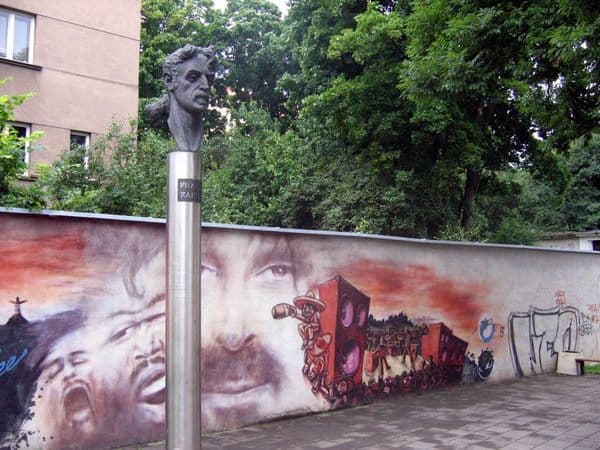
The world's first official monument to American musician Frank Zappa, erected in Vilnius in 1995 — despite Zappa having no connection to Lithuania whatsoever.

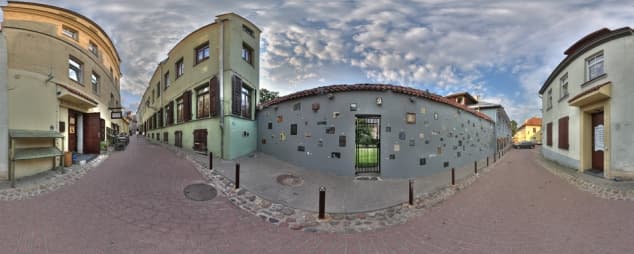
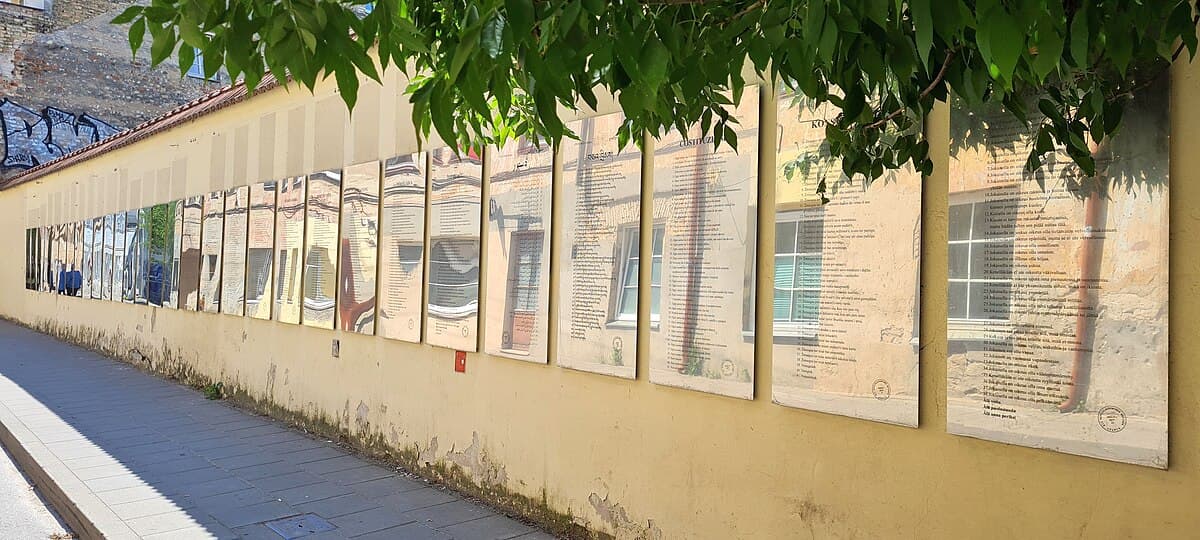
A narrow cobblestoned street in Vilnius Old Town whose walls are covered with over 200 small art plaques dedicated to Lithuanian and world writers who had connections to the city.
A mysterious large egg-shaped sculpture that has appeared in various locations around Vilnius Old Town, becoming an urban legend and beloved quirky landmark.
Three stark white crosses atop a hill overlooking Vilnius Old Town — a symbol of Lithuanian faith and freedom, dramatically illuminated at night against the city skyline.
The iconic red-brick tower atop Gediminas Hill offers sweeping views across Vilnius Old Town, the Neris River, and the modern skyline — the symbolic heart of Lithuania.

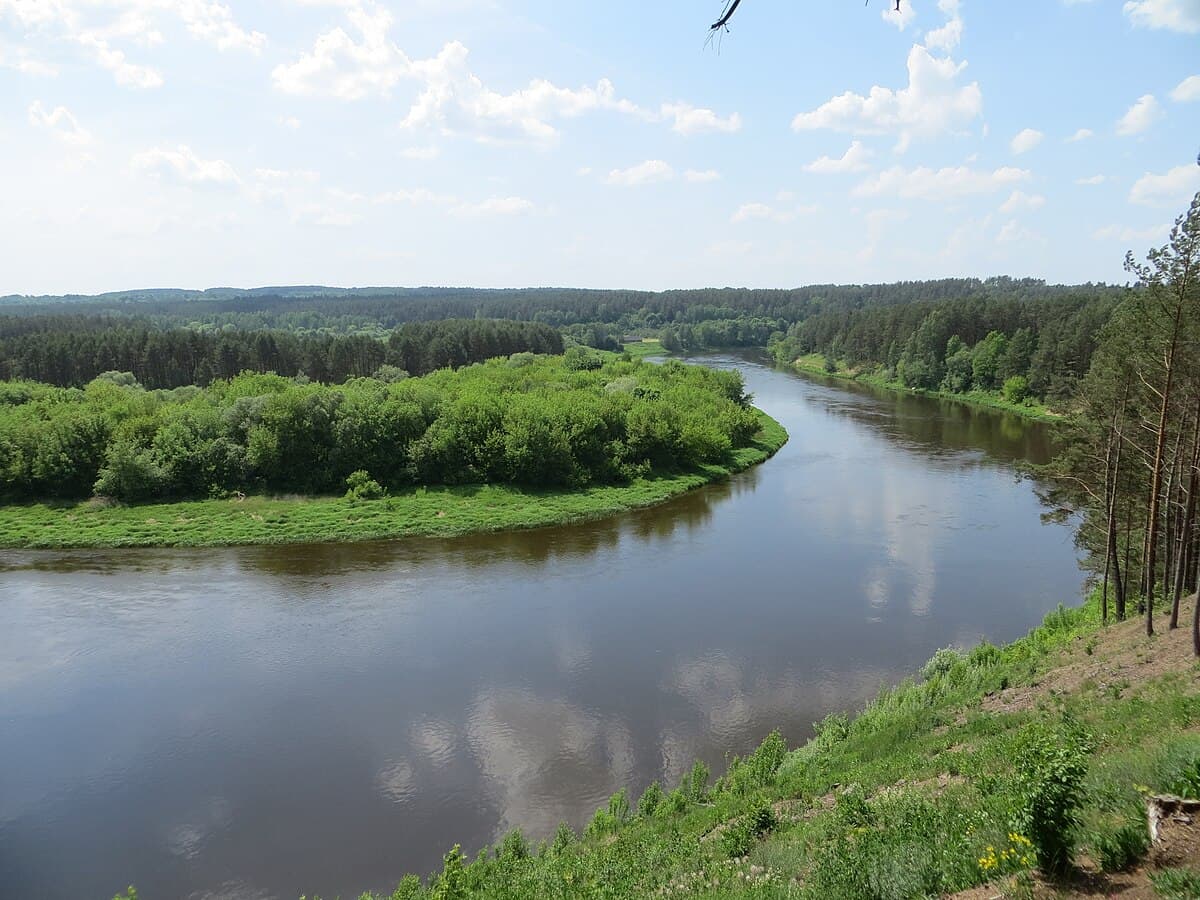
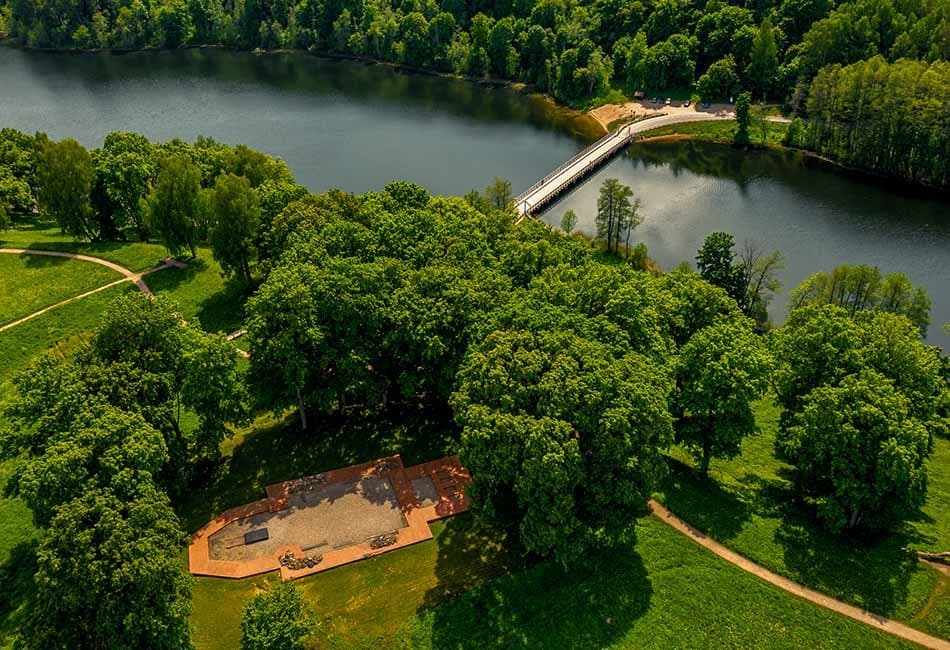
Five dramatic grass-covered hill forts at Lithuania's first capital — a UNESCO World Heritage Site offering sweeping views over the Neris River valley and insight into 10,000 years of human settlement.
An interactive museum in Vilnius Old Town featuring mind-bending optical illusions, holograms, and perception tricks — fun for all ages and perfect for creative photos.
A surprisingly engaging modern museum exploring the history of money, currency, and banking in Lithuania and the world — with interactive exhibits that let you mint your own coin.
An open-air museum near Vilnius train station featuring vintage locomotives, historic carriages, and railway equipment — telling the story of Lithuania's railroad heritage.
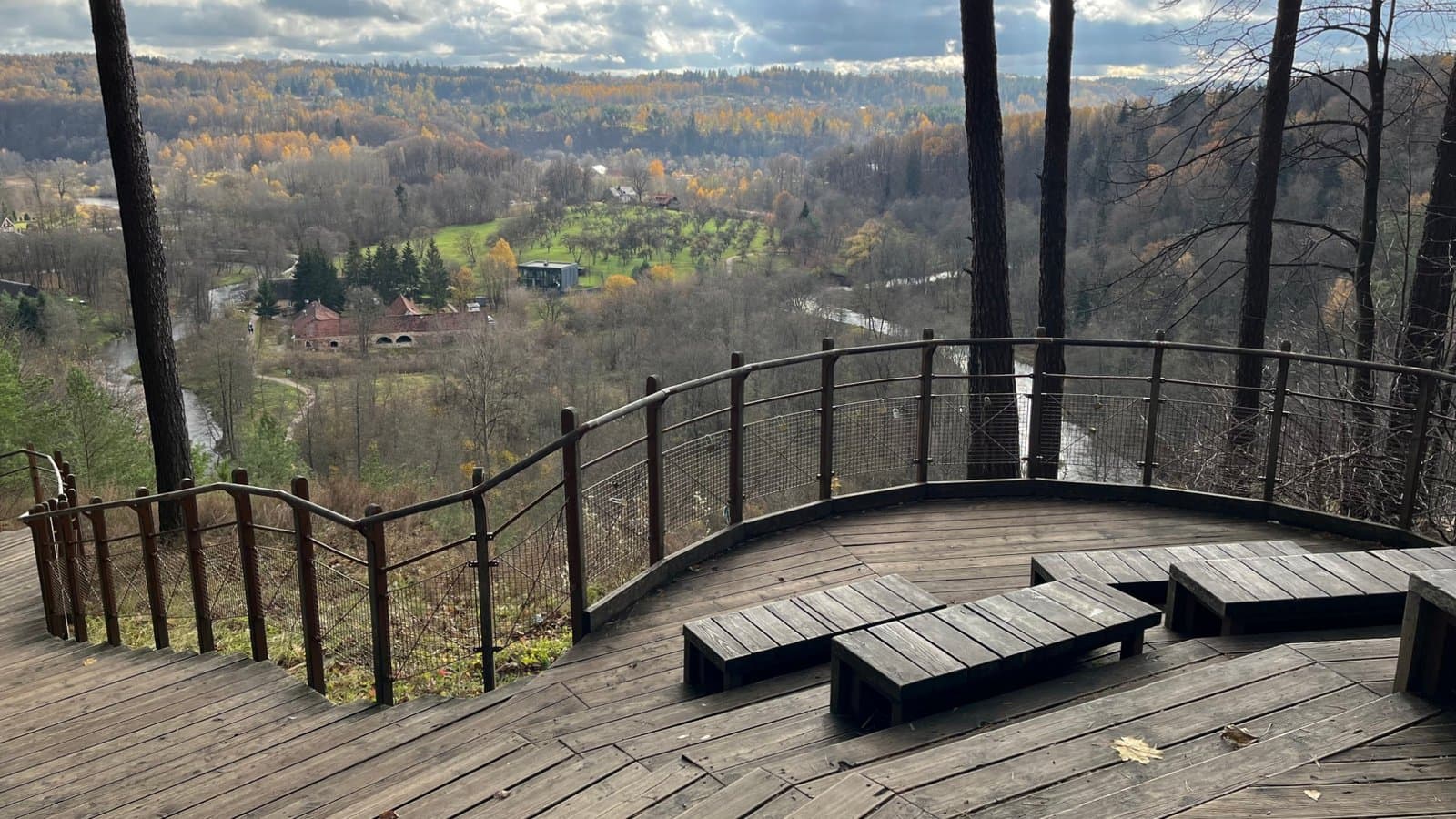
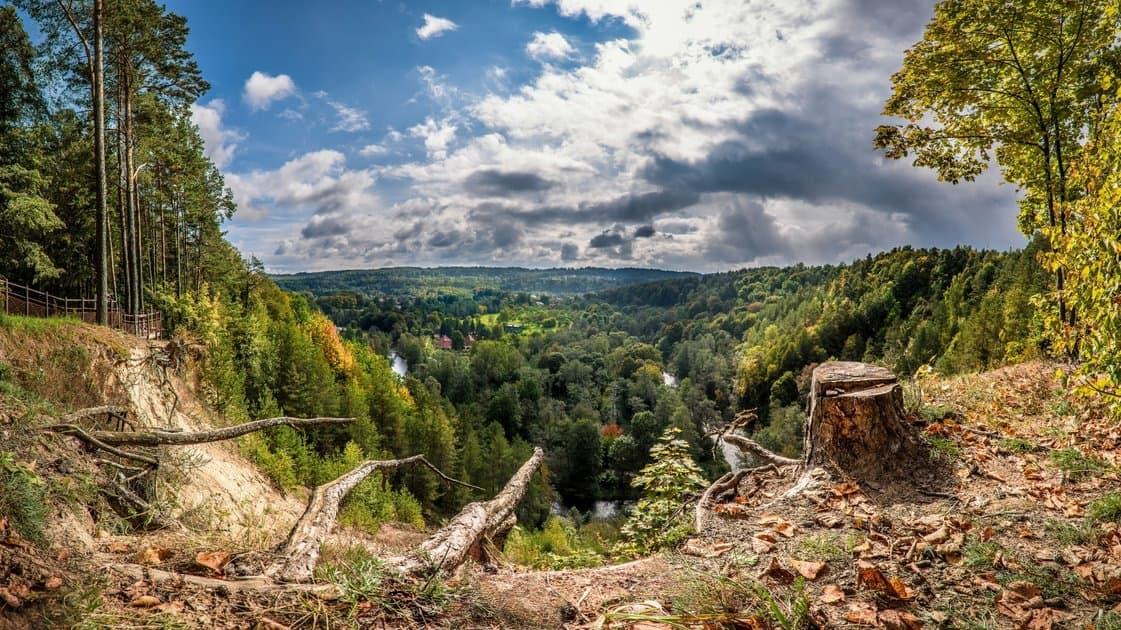
A stunning wilderness just minutes from Vilnius city center — deep river valleys, dramatic cliffs, waterfalls, and ancient forests within the capital's boundaries.

A dramatic 65-meter geological cliff face with a small waterfall in the heart of Vilnius — the city's most striking natural landmark, hidden in Pavilniai Regional Park.
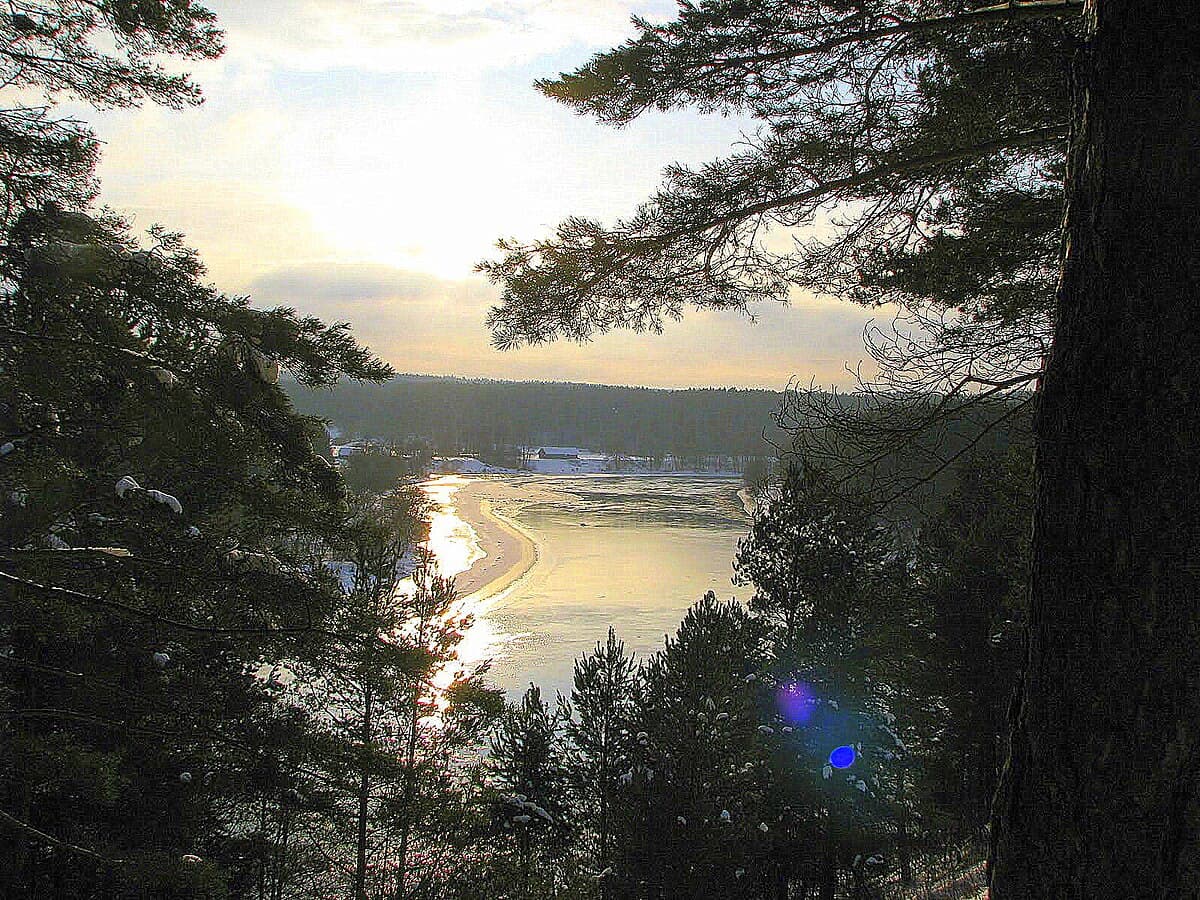
A vast green corridor following the Neris River on the northern edge of Vilnius, featuring a historic palace, botanical garden, river beaches, and kilometers of forest trails.
A deeply moving Holocaust memorial in the forests southwest of Vilnius, marking the site where approximately 100,000 people — mostly Jews — were murdered during World War II.
Lithuania's tallest structure at 326.5 meters, with an observation deck and revolving café — also the site of the January 13, 1991 massacre when Soviet troops killed 14 civilians defending Lithuanian independence.
The atmospheric ruins of a once-grand manor house surrounded by an overgrown park, slowly being reclaimed by nature — a hauntingly beautiful example of Lithuania's abandoned aristocratic heritage.
The ruins of a baroque palace and park in Vilnius's Antakalnis district, once the grandest private residence in the city — now an atmospheric ruin being slowly restored.
The ancient underground chambers beneath Vilnius Cathedral, containing royal tombs, medieval frescoes, and the remains of earlier pagan and Christian temples dating back centuries.
A charming small waterfall on the Baltasis Vokas stream near Vilnius — one of the few waterfalls in the Lithuanian capital, hidden in a lush ravine.

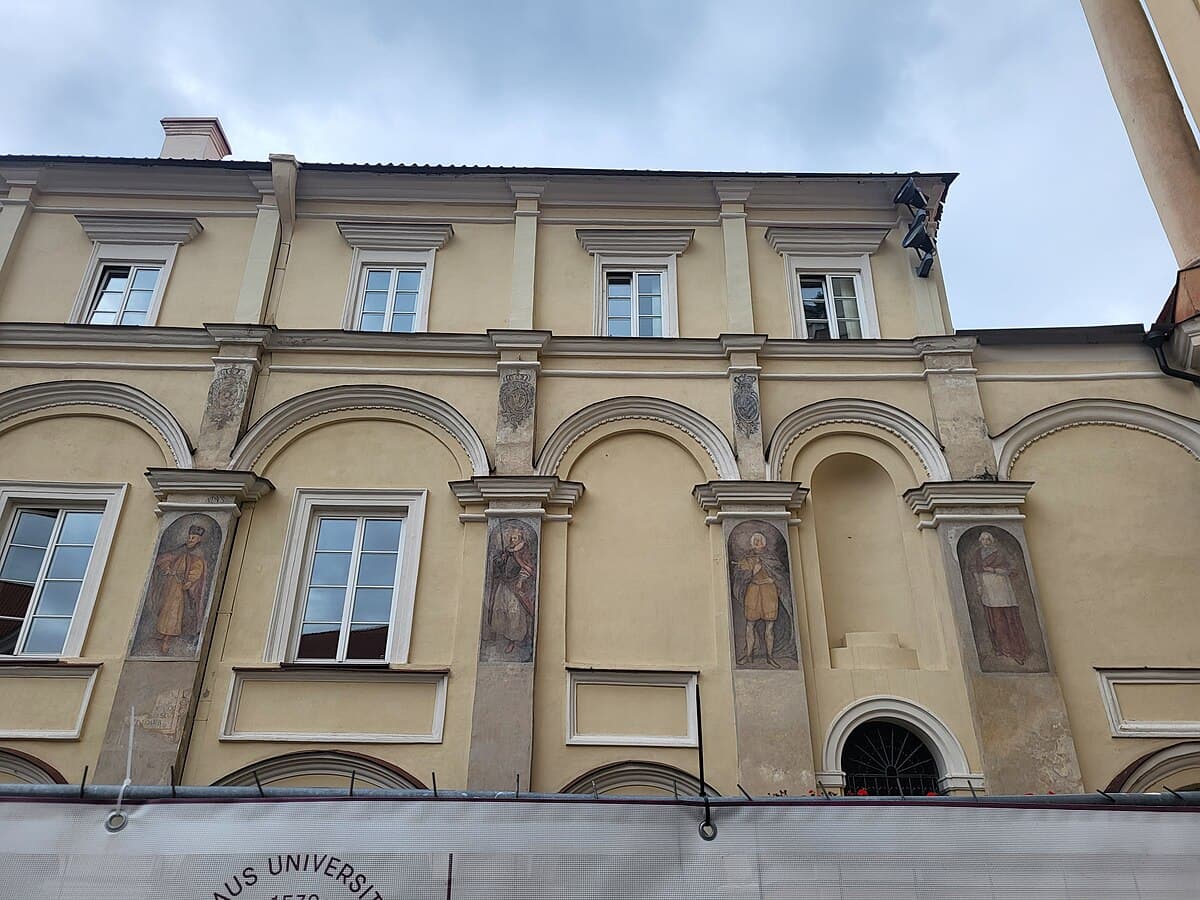
A stunning complex of 13 interconnected courtyards spanning five centuries of architecture — Gothic, Renaissance, Baroque, and Classical styles all in one living university campus.

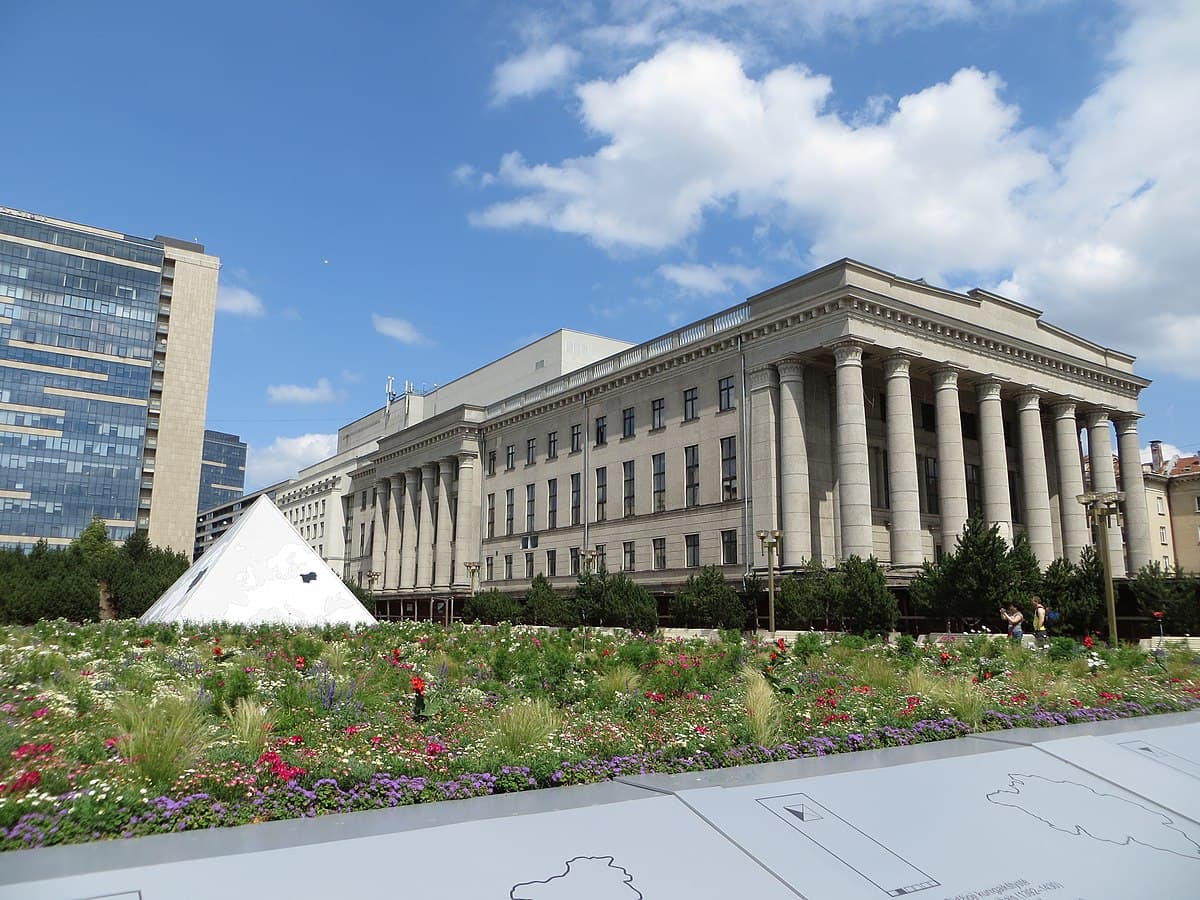
Lithuania's national library, a modernist landmark with a striking glass and stone facade, housing millions of volumes and featuring public exhibitions and a panoramic café.

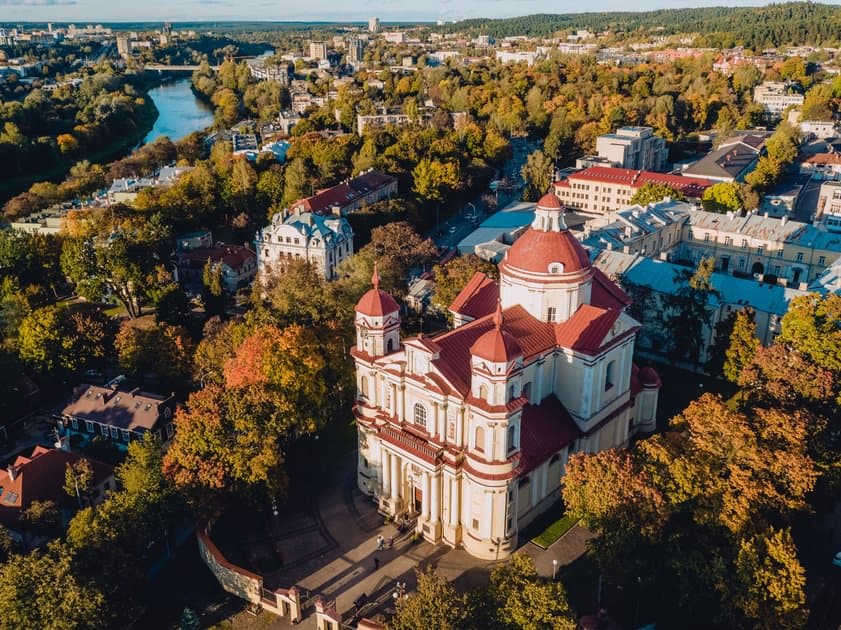
A masterpiece of European Baroque containing over 2,000 stucco figures — saints, angels, battle scenes, and mythological creatures covering every surface of this 17th-century church.

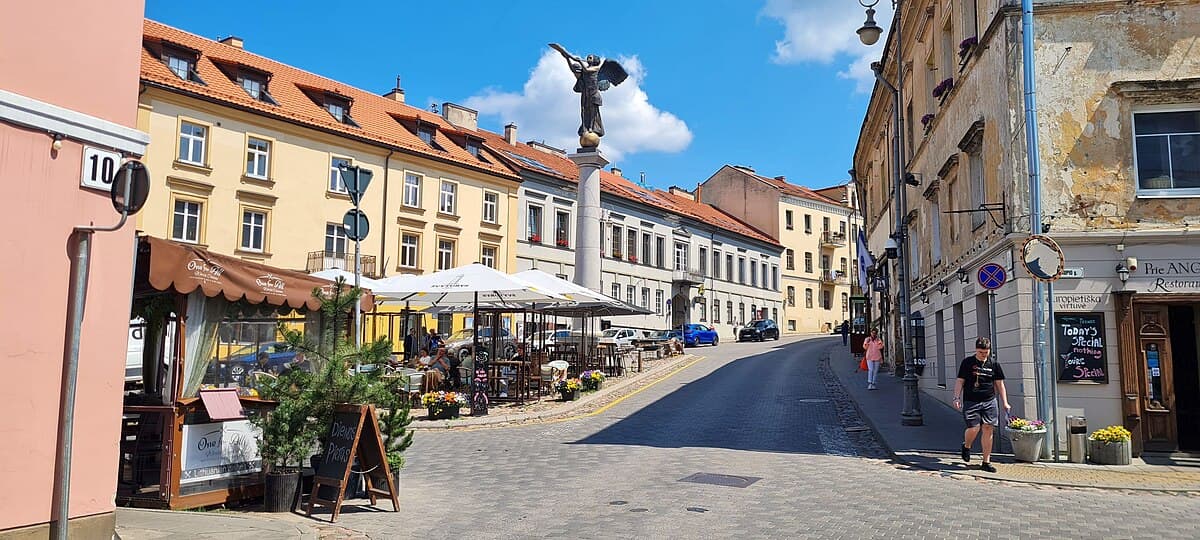
The bronze angel trumpeting from atop a column in the heart of the Užupis Republic — the symbol of Vilnius's most bohemian neighborhood and its artistic independence.

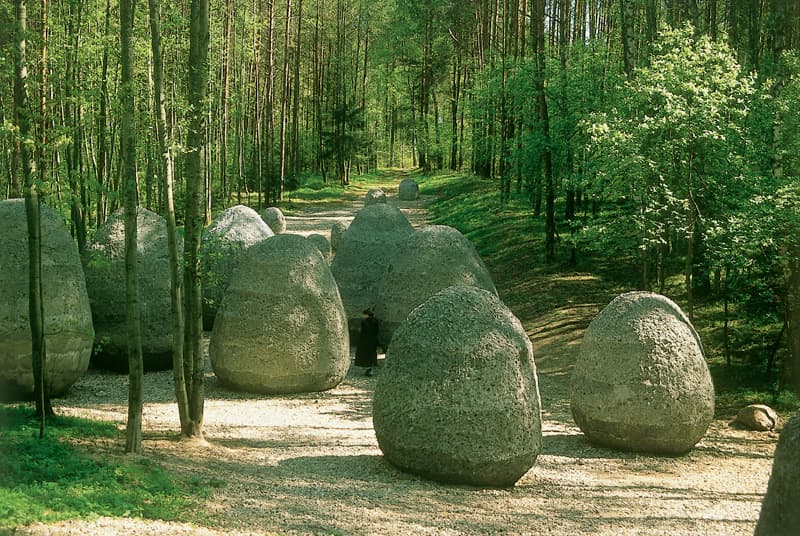
A vast open-air art museum near Vilnius featuring over 100 monumental sculptures by artists from around the world, set in 55 hectares of forest and meadow near the Geographical Center of Europe.

The longest open-air gallery in Lithuania — a stretch of wall on Pylimo Street in Vilnius transformed into a constantly evolving exhibition space for street artists and painters.

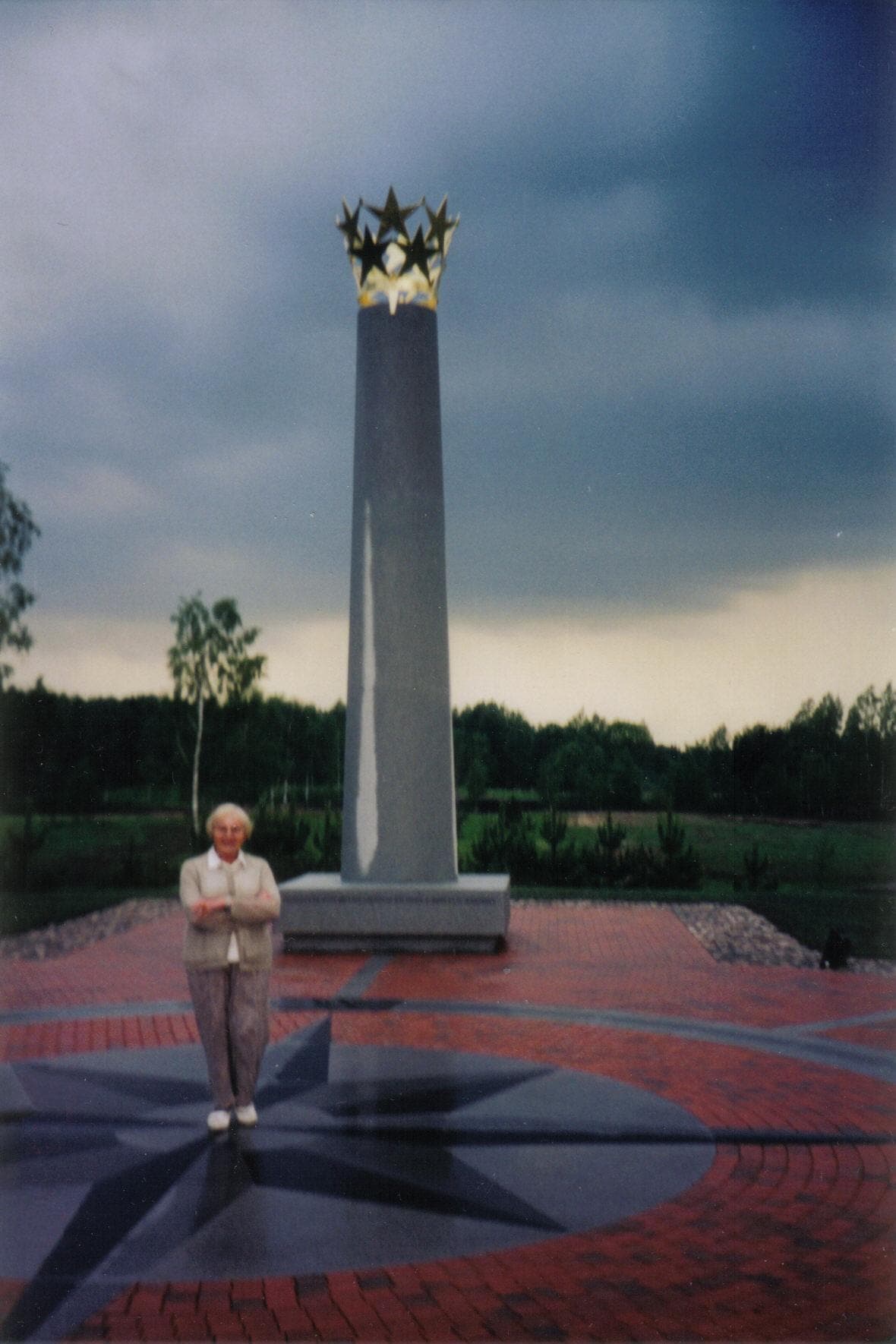
The official geographical center of Europe, as calculated by the French National Geographic Institute — marked by a monument and sculpture park 26 km north of Vilnius.

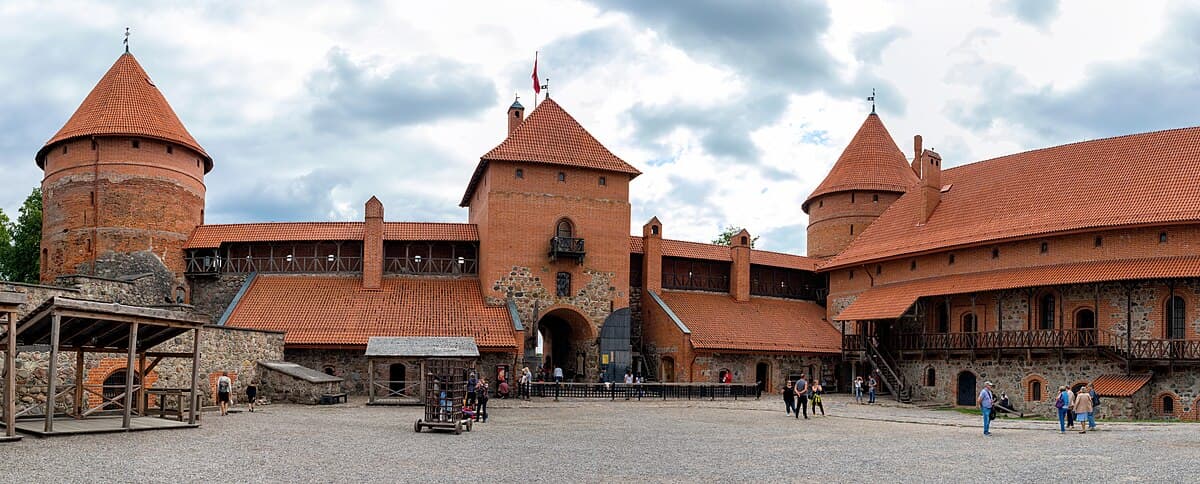
A fairy-tale red-brick castle on an island in Lake Galvė — the most iconic image of Lithuania and the former residence of the Grand Dukes of the Lithuanian medieval superpower.

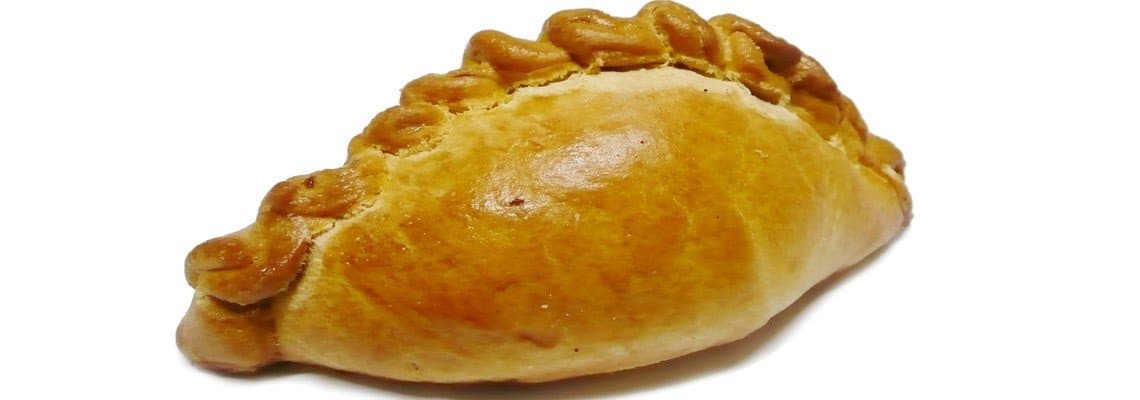
One of the last surviving Karaim communities in Europe — a Turkic people brought to Lithuania by Grand Duke Vytautas in the 14th century, maintaining their unique language, religion, and cuisine.

Lithuania's most atmospheric midsummer celebration held at the ancient capital of Kernavė — bonfires on five hill forts, folk songs, and pagan-rooted rituals on the shortest night of the year.

The ruins of Lithuania's oldest stone castle — massive 14th-century walls still stand 15 meters high in the quiet countryside near the Belarusian border.

A magnificent but crumbling 19th-century manor and park near Trakai — once one of Lithuania's grandest estates, now a hauntingly beautiful ruin undergoing slow restoration.

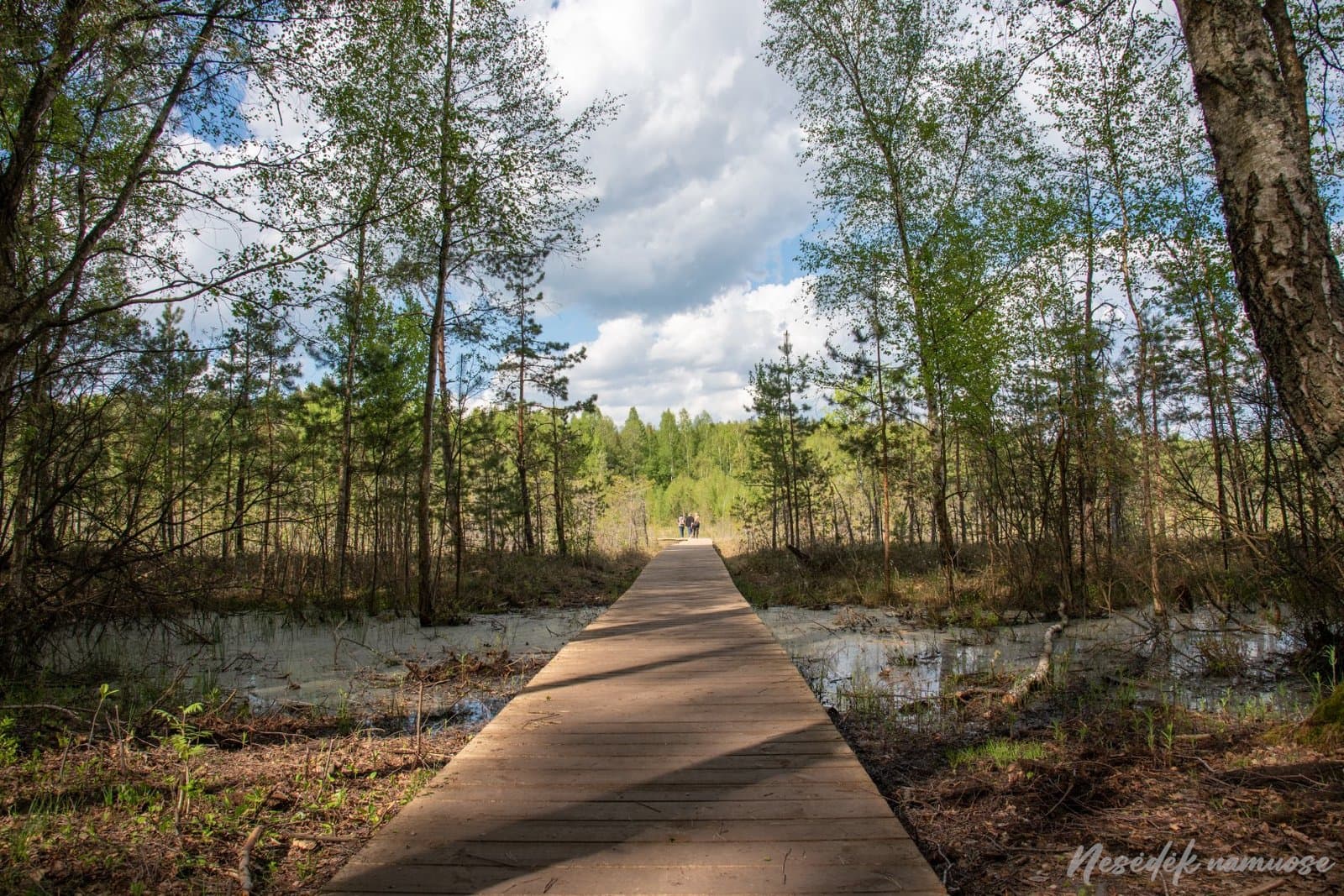
A scenic nature trail near Trakai winding through forests, wetlands, and lakeshores with interpretive panels explaining the ecology of Lithuania's lake district.

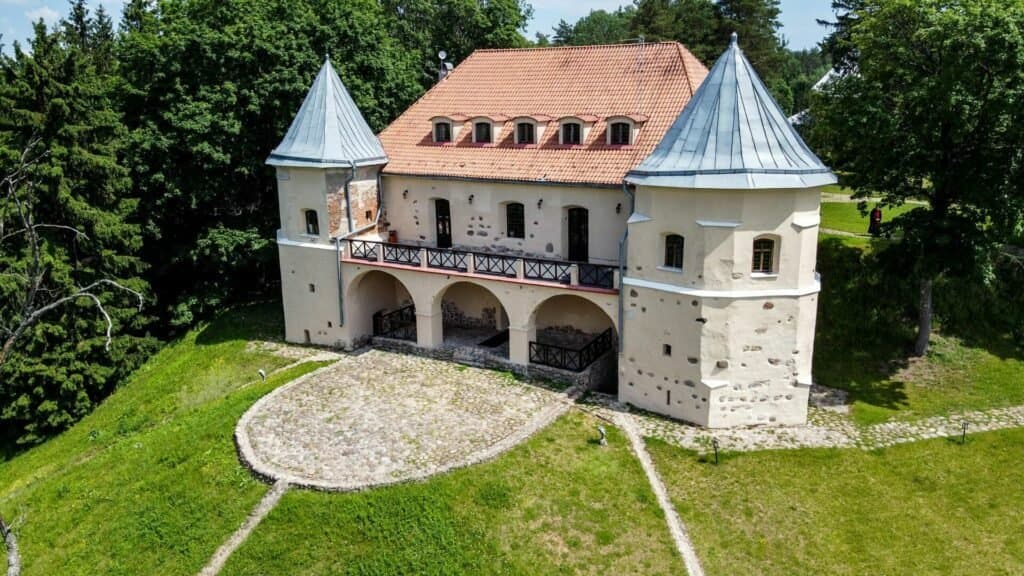
Lithuania's only privately owned medieval castle — a small but well-preserved 16th-century fortress near the Belarusian border that operates as a hotel and restaurant.

Vilnius's hidden geological wonder — a dramatic 65-meter high sandy cliff carved by the Vilnia River, also known as Lithuania's 'Grand Canyon' and accessible within the city limits.

The cultural heritage of the Karaim people — a tiny Turkic ethnic group brought to Lithuania in the 14th century, whose unique houses, kenesa temple, and cuisine survive in Trakai.

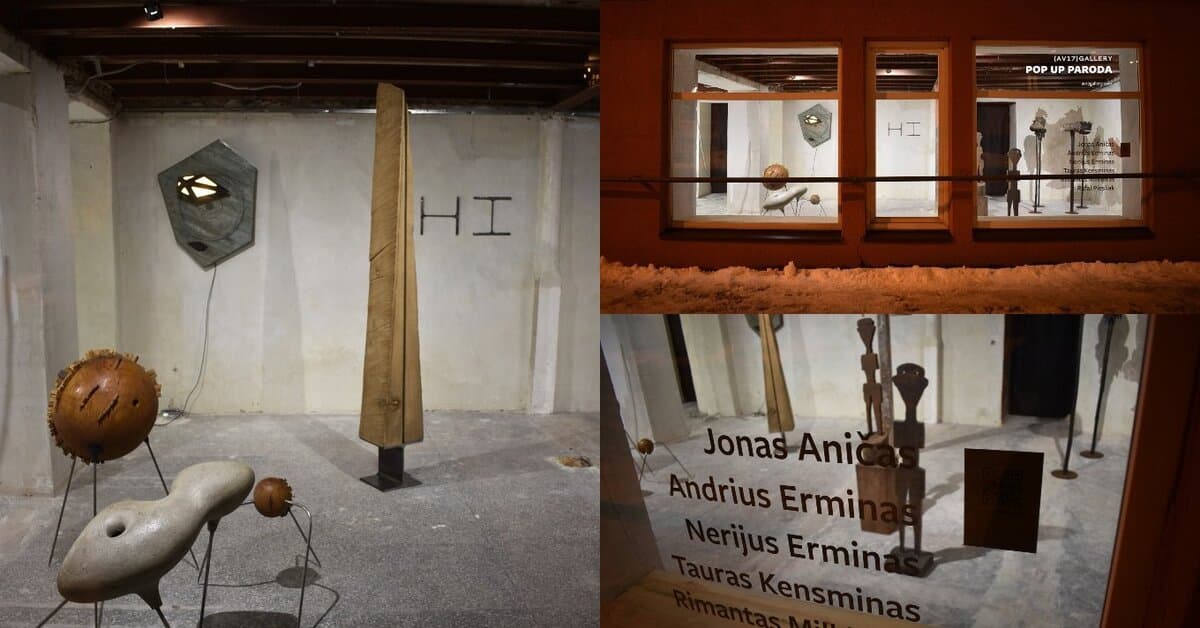
Vilnius's bohemian self-declared republic — an artists' quarter with its own constitution (translated into over 50 languages), president, anthem, and a famous angel statue.

Lithuania's first known capital — a UNESCO World Heritage Site with five dramatic hillfort mounds and archaeological remains spanning 11,000 years of human habitation.

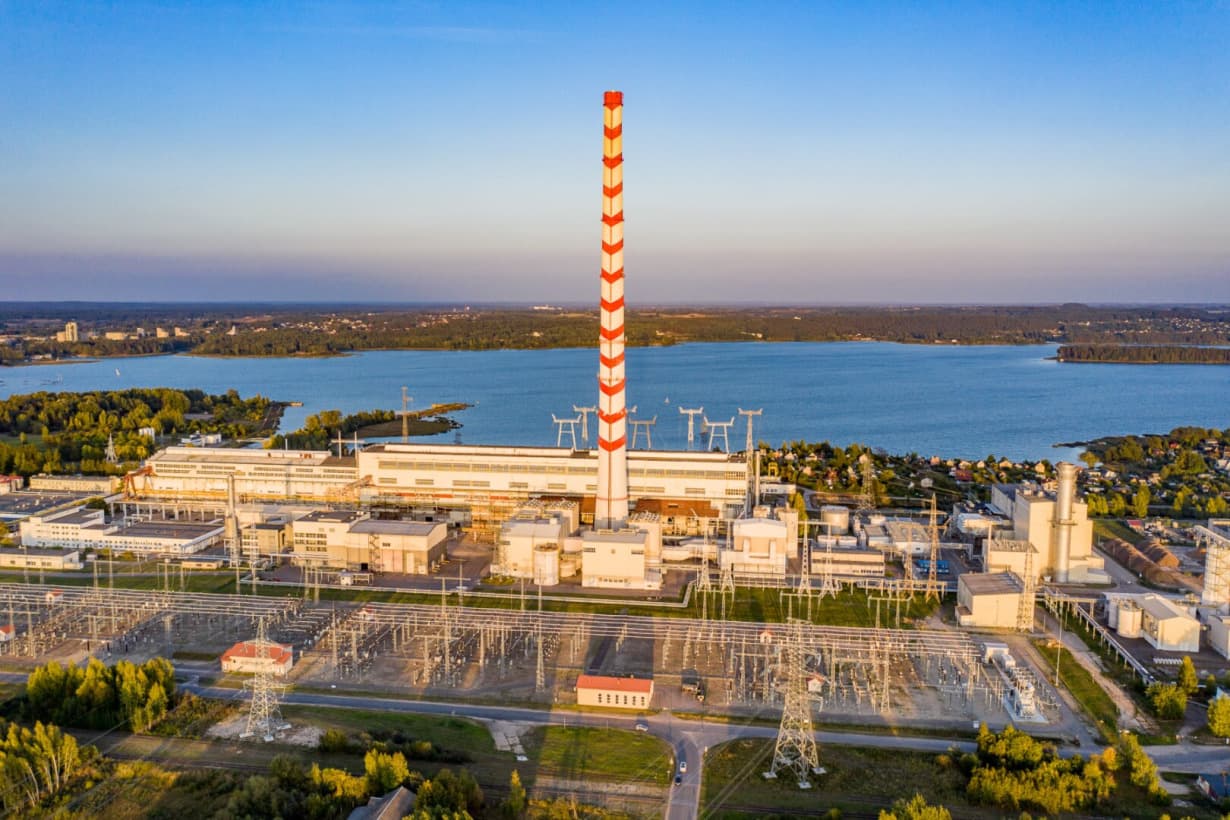
The massive cooling towers of Lithuania's Soviet-era thermal power plant — industrial behemoths visible for miles across the otherwise flat Lithuanian landscape.
The tallest structure in Lithuania at 326 meters — site of the tragic January 13, 1991 events and now featuring an observation deck and a memorial to freedom defenders.

A striking brutalist concert venue from the Soviet era, abandoned and slowly being reclaimed by nature — a haunting example of Soviet architectural ambition in a planned district.
The iconic tower crowning Vilnius's Upper Castle — the symbolic heart of Lithuania and the spot where the founding legend of Vilnius begins.

A neoclassical manor in Lithuania's Polish-speaking borderlands, designed by the architect of Vilnius Cathedral — a hidden gem of aristocratic architecture in a multicultural region.

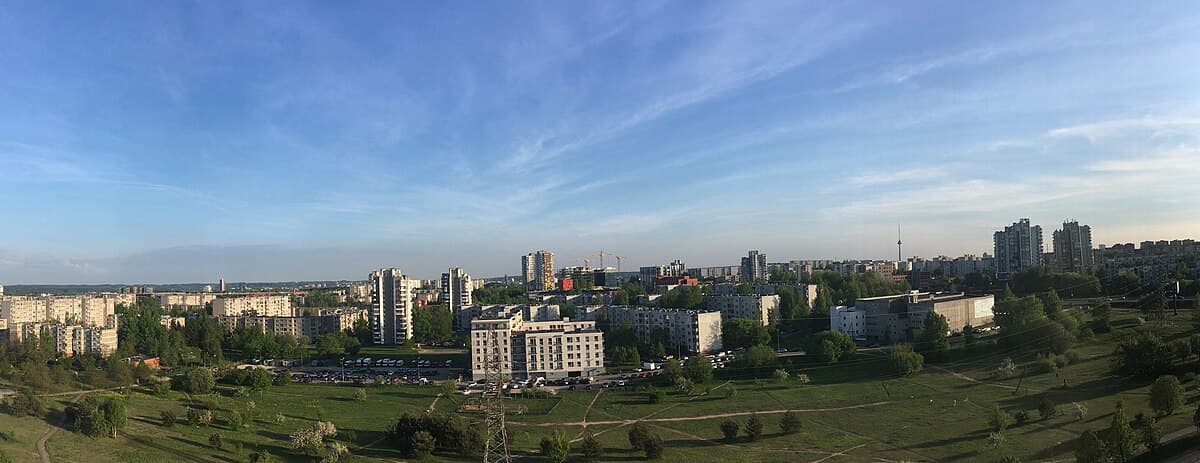
Surviving Soviet-era mosaic murals on apartment buildings in Vilnius's Šeškinė district — colorful relics of socialist realist public art that are slowly disappearing.

An island fortress site in Lake Asveja — Lithuania's longest lake — where powerful medieval nobles built a castle and the ruins still rise from the water.

A city-wide outdoor gallery of murals and street art — from political commentary to abstract beauty, Vilnius has become one of Europe's most vibrant street art cities.

The world's first public monument to Frank Zappa — erected in Vilnius in 1995 as a symbol of freedom and artistic rebellion in the newly independent Lithuania.

An open-air sculpture park at the geographical center of Europe — featuring works by artists from around the world in a forest setting that marks Europe's continental midpoint.