Bicycle Museum
A quirky museum in Šiauliai showcasing the history of cycling through a collection of vintage bicycles, cycling memorabilia, and interactive exhibits spanning two centuries.
Northern Lithuania, famous for the Hill of Crosses and the surrounding countryside.
21 locations found in this region
A quirky museum in Šiauliai showcasing the history of cycling through a collection of vintage bicycles, cycling memorabilia, and interactive exhibits spanning two centuries.
A delightful small museum in Šiauliai dedicated entirely to cats — featuring thousands of cat-themed artworks, figurines, and memorabilia from around the world.
An extraordinary pilgrimage site where hundreds of thousands of crosses, crucifixes, and rosaries have been placed on a small hill, creating one of the world's most powerful spiritual landscapes.

A scenic regional park in northern Lithuania known for its manor house, horse riding trails, diverse forests, and unique karst sinkholes hidden among rolling hills.

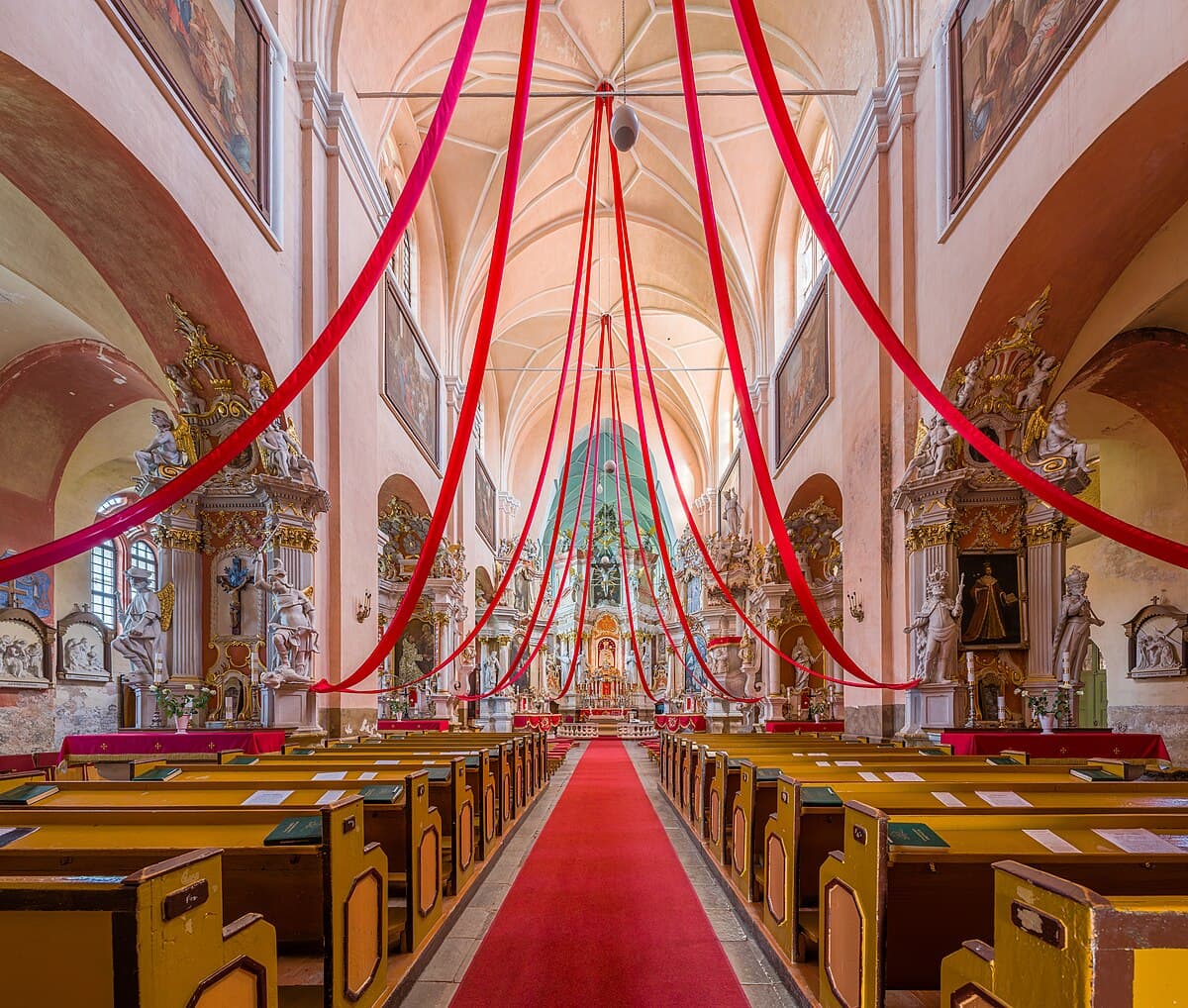
A beautifully preserved Bernardine monastery complex from the 17th century, featuring a church with rare trompe-l'oeil frescoes and a peaceful cloister overlooking a lake.

Lithuania's most important Marian pilgrimage site — where the Virgin Mary reportedly appeared in 1608, making it one of Europe's earliest recorded Marian apparitions.

A boardwalk trail through one of northern Lithuania's most pristine raised bogs — a landscape of sphagnum moss, carnivorous plants, and rare birds.

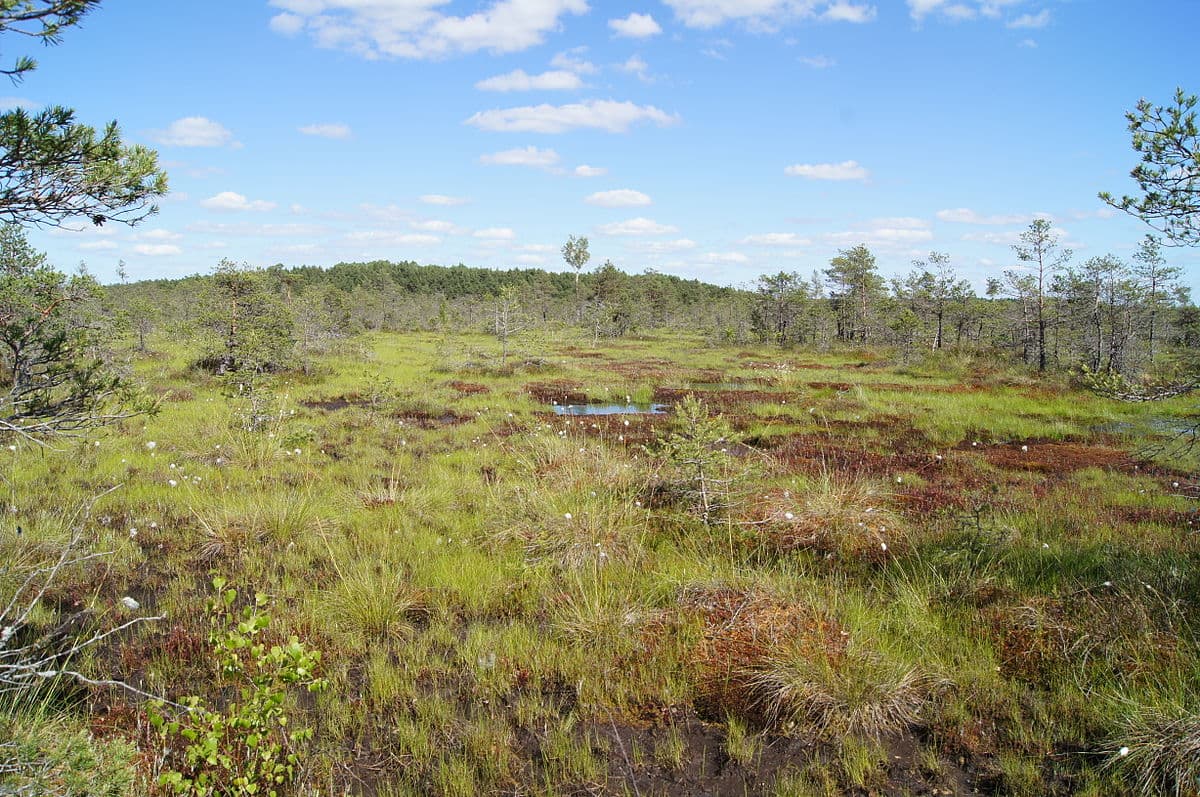
A vast raised bog in northern Lithuania, one of the best-preserved in the Baltics — a primeval landscape of sphagnum moss, dark pools, and rare wildlife near the Latvian border.

The remains of a Soviet military airfield in northern Lithuania — vast concrete runways, abandoned hangars, and dispersal areas that once housed fighter jets during the Cold War.

A once-grand neoclassical manor house in central Lithuania — partially restored but still atmospheric, surrounded by a beautiful park with ancient trees and a lake.

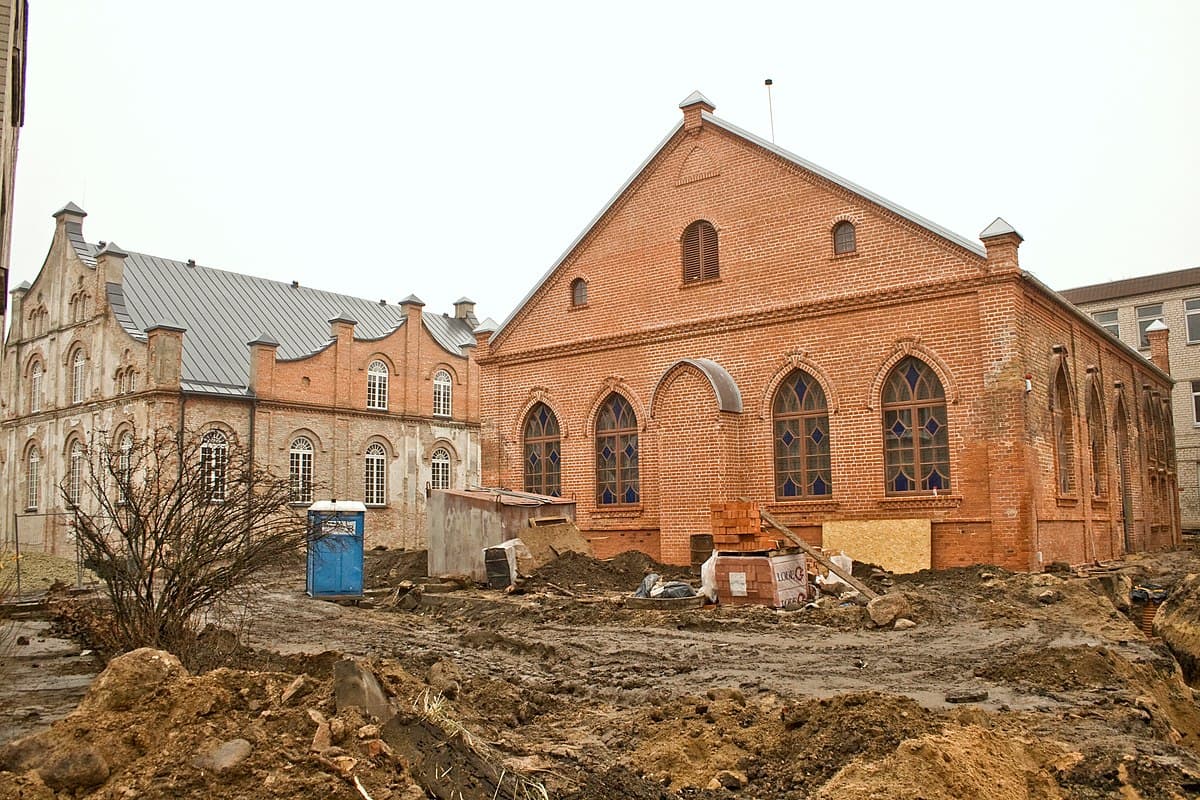
The striking red-brick ruins of a 19th-century synagogue in northern Lithuania — a poignant reminder of the once-thriving Jewish community that was destroyed during the Holocaust.

A vast manor park in northern Lithuania containing some of the country's rarest trees — including imported species from around the world planted by botanist-nobility in the 19th century.

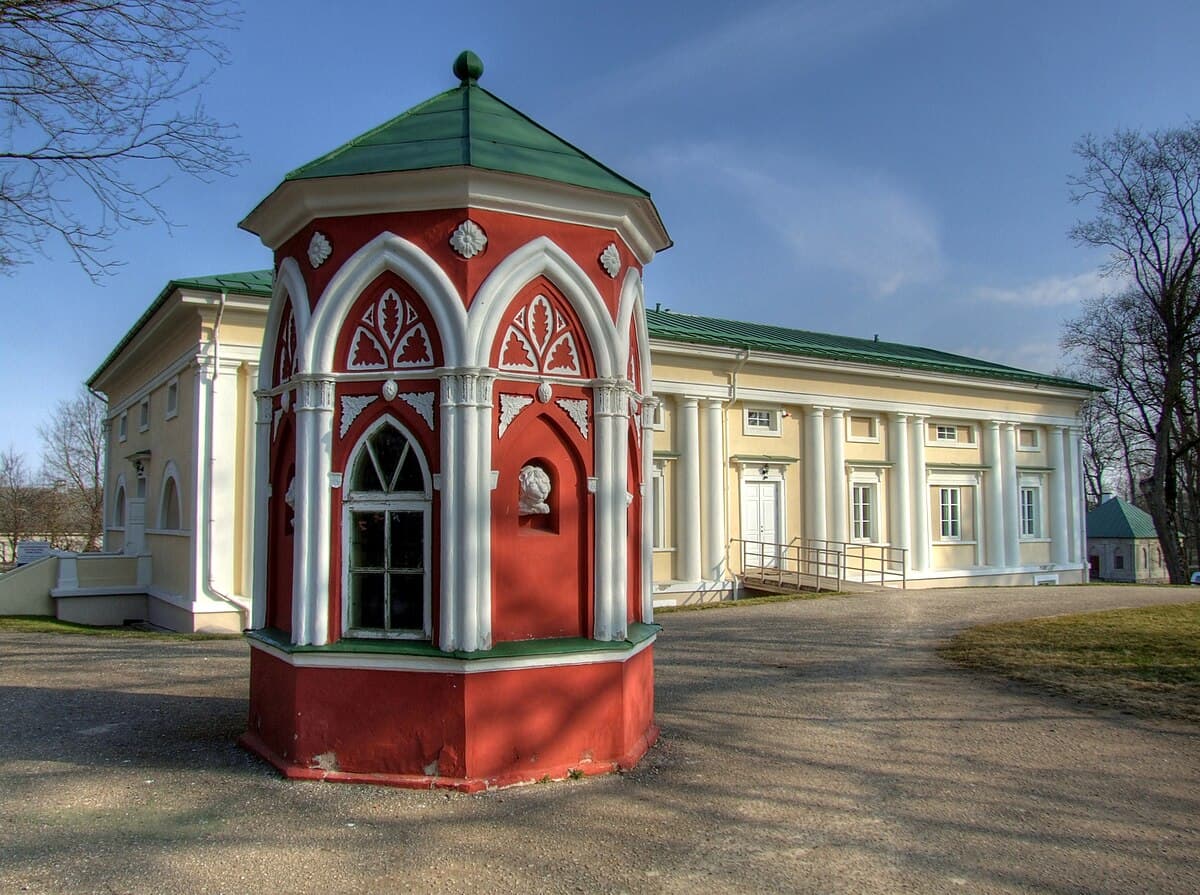
One of Lithuania's largest and best-restored manor complexes — a vast 18th-century estate with dozens of buildings, a brewery, and a synagogue, now operating as a cultural center.

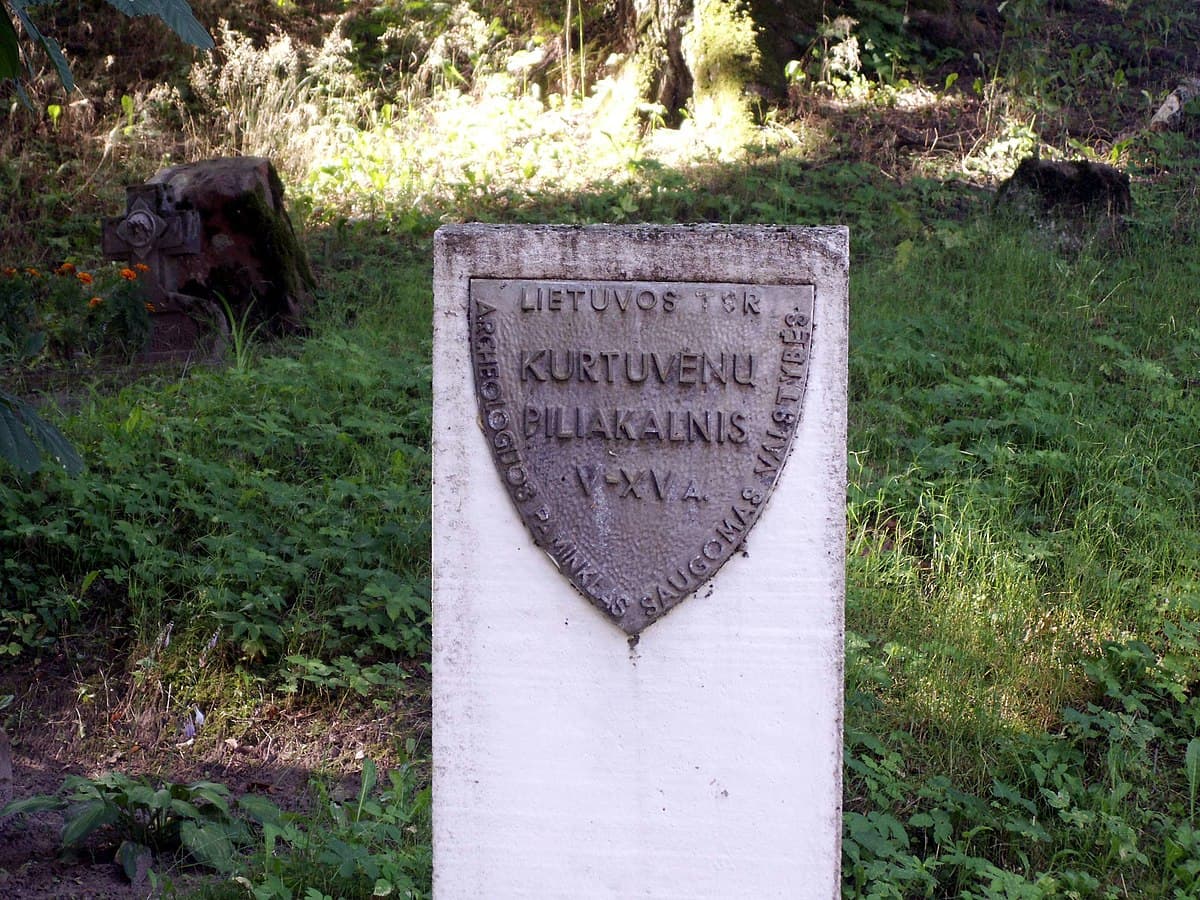
A panoramic viewpoint in one of Šiauliai county's most scenic regional parks, offering vistas over rolling Žemaitija hills, forests, and the Kurtuvėnai manor estate below.
A quirky museum in Šiauliai dedicated entirely to the history of bicycles — from 19th-century penny-farthings to Soviet-era models and modern racing bikes.

One of the earliest Marian apparition sites in Europe, predating Lourdes and Fatima — a major Lithuanian Catholic pilgrimage destination since the 17th century.

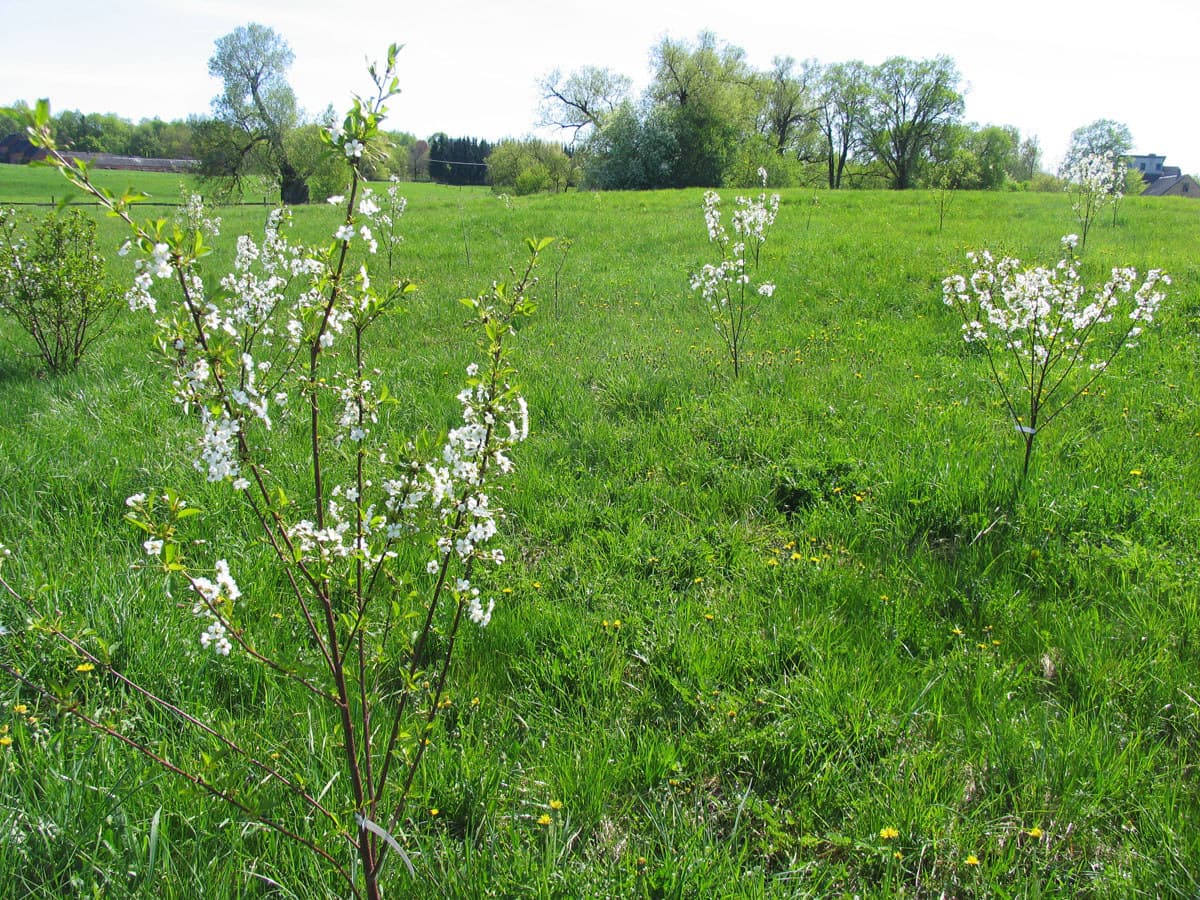
Lithuania's cherry blossom capital — the town of Žagarė bursts into spectacular pink and white bloom each May, when hundreds of cherry trees create Lithuania's answer to Japanese hanami.

A beautifully preserved 17th-century Bernardine monastery complex — one of Lithuania's finest baroque sacred ensembles with a revered chapel of miraculous icons.

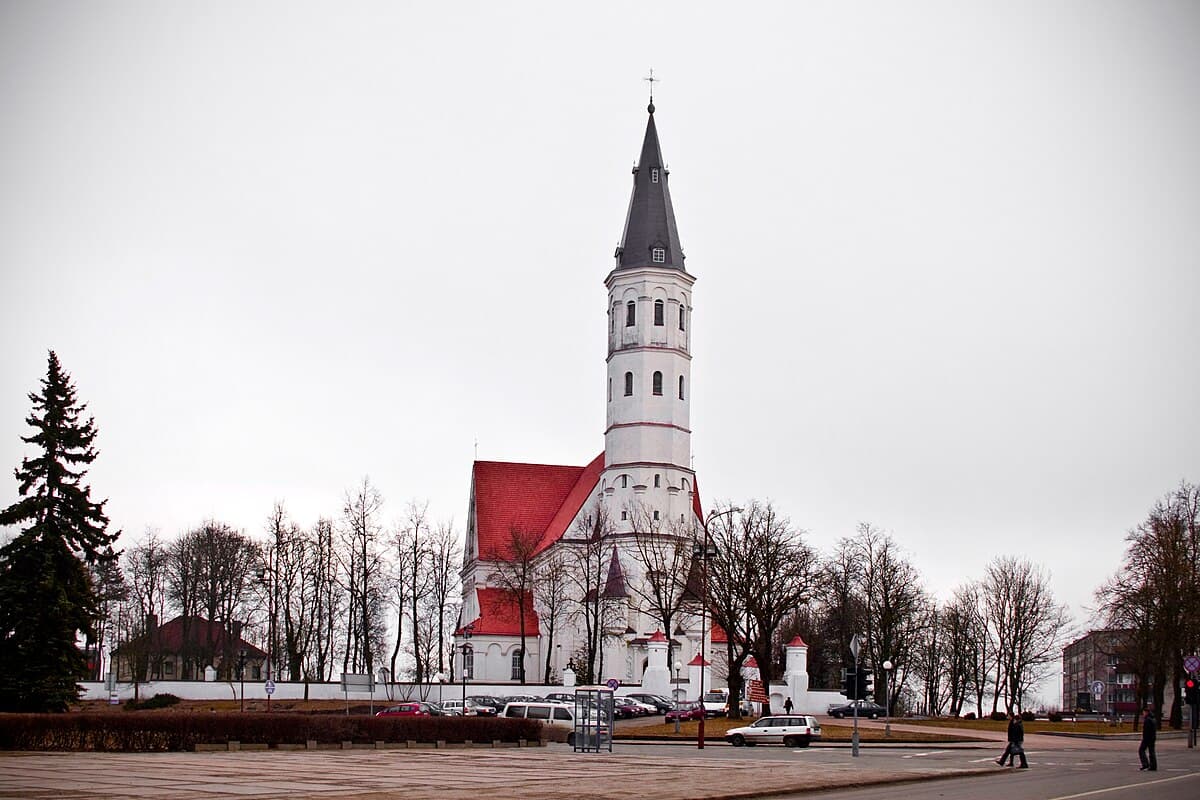
One of Lithuania's grandest Renaissance churches, with a striking tower visible across the city — a symbol of Šiauliai's resilience through centuries of destruction and rebuilding.

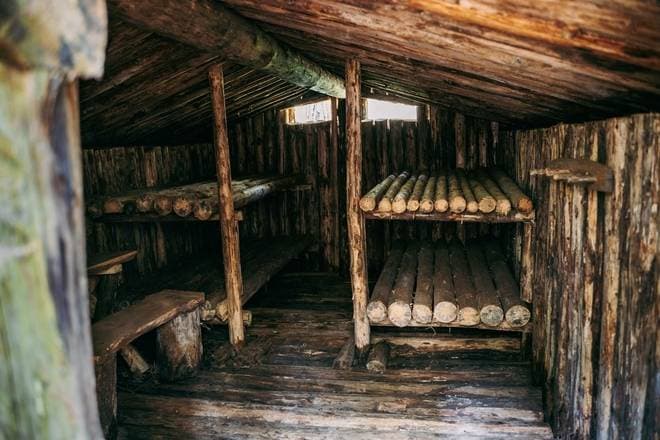
A network of Cold War-era military bunkers hidden in forests near Šiauliai — once part of the Soviet air defense network protecting the Baltic military district.
A network of historic fishponds near Tytuvėnai monastery that has become an important wetland habitat — where centuries-old fish farming coexists with remarkable bird diversity.