Devils' Museum (Žmuidzinavičius Museum)
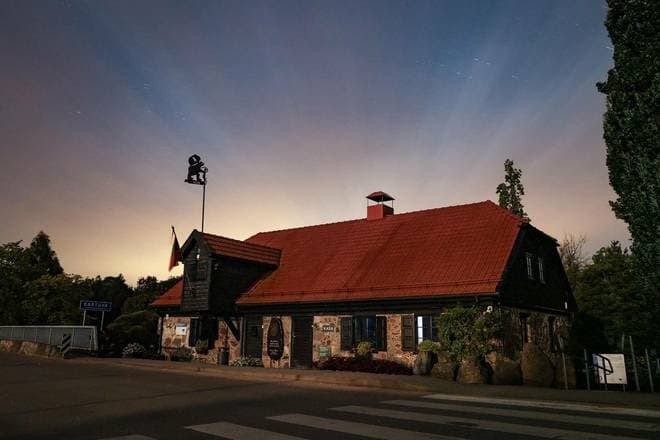
The world's only museum dedicated entirely to depictions of the devil — housing over 3,000 devil figurines, paintings, and sculptures from around the world.
Lithuania punches far above its weight when it comes to unusual museums. Where else can you find a museum dedicated entirely to devils, explore a Soviet nuclear missile base, or visit a museum of ethnocosmology? These quirky collections and immersive experiences reveal unexpected facets of Lithuanian culture, history, and imagination. Many are run by passionate individuals who have dedicated their lives to preserving something truly unique.
22 locations in this category
The world's only museum dedicated entirely to depictions of the devil — housing over 3,000 devil figurines, paintings, and sculptures from around the world.

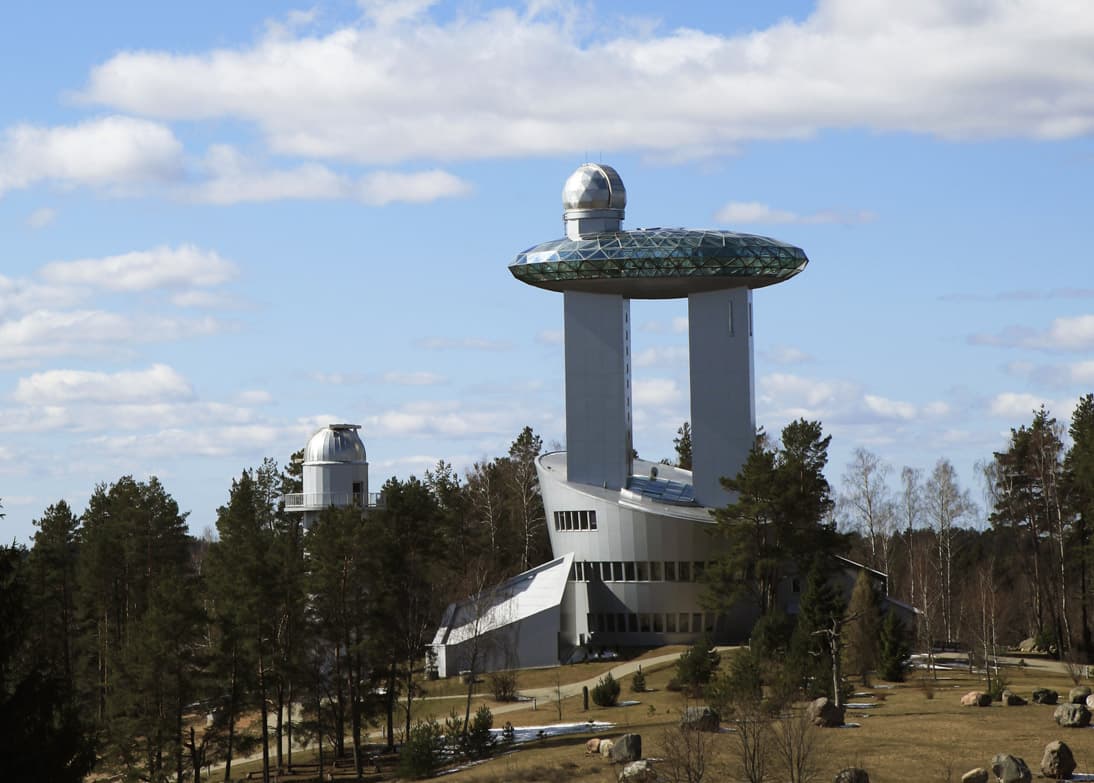
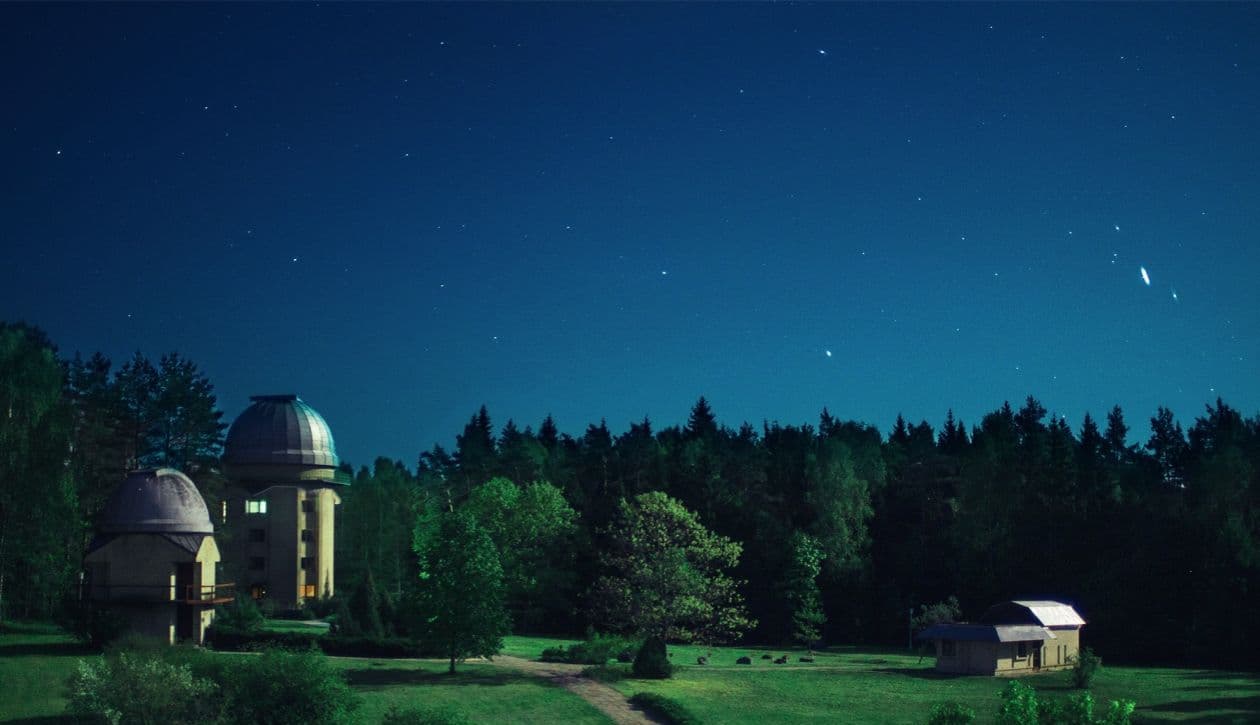
A striking modern observatory and museum in the Lithuanian countryside dedicated to humanity's relationship with the cosmos — offering stargazing sessions and exhibitions on ancient astronomical traditions.
A former top-secret Soviet nuclear missile base hidden in the forests of Žemaitija National Park, now a chilling Cold War museum where you can descend into the underground launch silos.
An interactive museum in Vilnius Old Town featuring mind-bending optical illusions, holograms, and perception tricks — fun for all ages and perfect for creative photos.

Housed in the stunning Tiškevičiai Palace surrounded by Lithuania's largest botanical garden, this museum showcases over 28,000 pieces of amber including insects trapped for millions of years.
A quirky museum in Šiauliai showcasing the history of cycling through a collection of vintage bicycles, cycling memorabilia, and interactive exhibits spanning two centuries.
A delightful small museum in Šiauliai dedicated entirely to cats — featuring thousands of cat-themed artworks, figurines, and memorabilia from around the world.
A surprisingly engaging modern museum exploring the history of money, currency, and banking in Lithuania and the world — with interactive exhibits that let you mint your own coin.
An open-air museum near Vilnius train station featuring vintage locomotives, historic carriages, and railway equipment — telling the story of Lithuania's railroad heritage.
The former home and studio of Lithuanian sculptor Antanas Mončys, now a museum displaying his abstract wooden sculptures and personal art collection in a charming Palanga setting.
A quirky museum in Šiauliai dedicated entirely to the history of bicycles — from 19th-century penny-farthings to Soviet-era models and modern racing bikes.

An open-air museum in western Lithuania containing over 200 glacial boulders — many with mysterious carved symbols, cup marks, and fossil inclusions spanning thousands of years.

The world's only museum dedicated entirely to depictions of the devil — with over 3,000 devil figurines, masks, and artworks from around the globe.

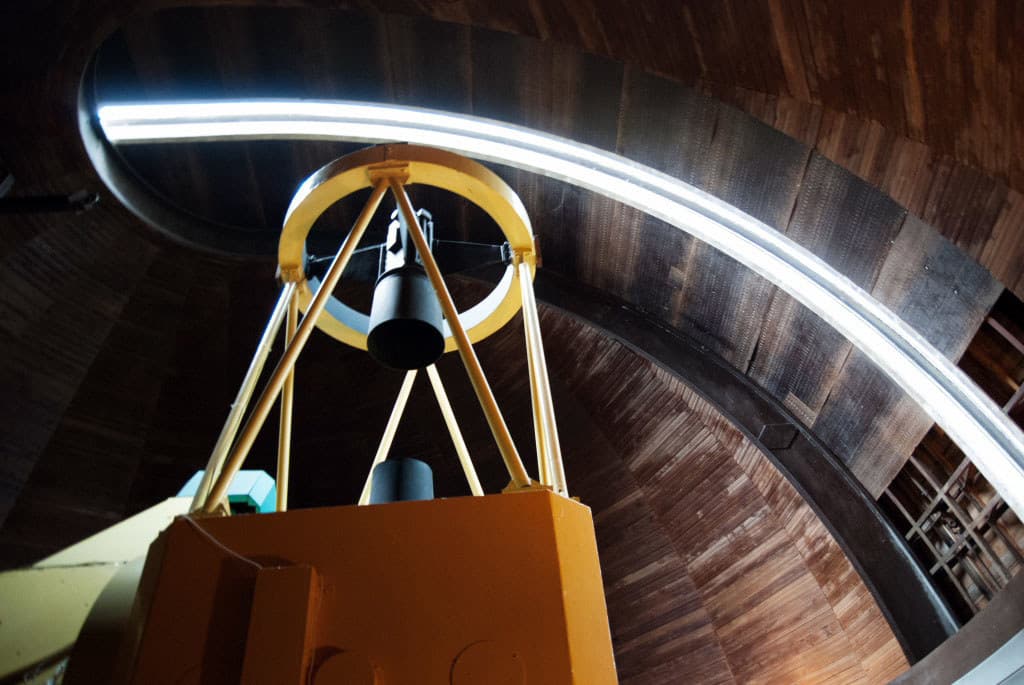
Lithuania's premier stargazing facility in Aukštaitija National Park — one of the darkest sky areas in the country, with a public observatory offering guided observations.

A small but fascinating museum at a railway junction town, housing vintage locomotives, rolling stock, and the story of Lithuania's railway heritage from Tsarist times through the Soviet era.

The largest open-air ethnographic museum in Europe — an entire recreated Lithuanian village landscape with over 180 authentic historic buildings from all regions.

Lithuania's national astronomical observatory set among the lakes and forests of Aukštaitija — with a public planetarium and the country's most powerful telescope.

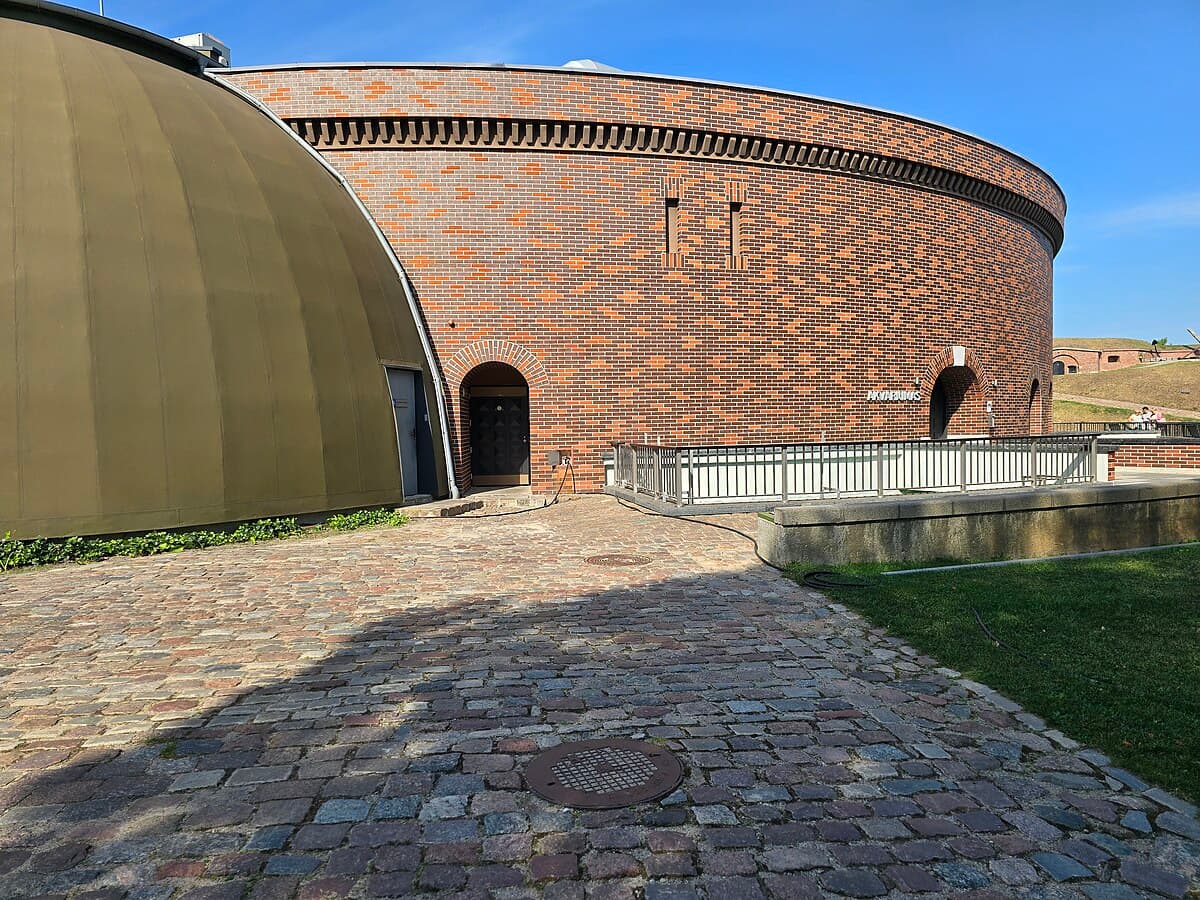
Housed in a 19th-century sea fortress on the Curonian Spit, this marine museum features aquariums, seal rehabilitation, and the only dolphin shows in the Baltic states.

One of the oldest puppet theatres in Lithuania, known for its traveling wagon performances — a cherished institution of Lithuanian children's culture since the Soviet era.

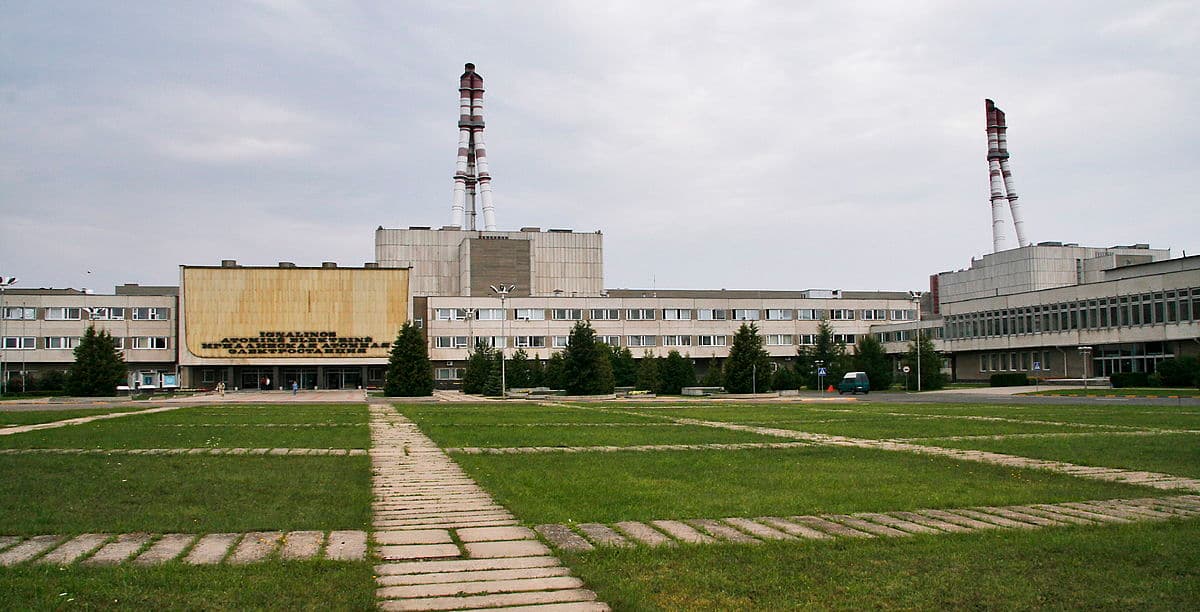
The visitor center at Lithuania's decommissioned Soviet-era nuclear power plant — twin of Chernobyl, now being safely dismantled, with educational exhibits about nuclear energy.

The regional art museum of Samogitia housed in a lakeside complex — featuring Samogitian folk art, contemporary works, and the mythological heritage of Lithuania's most distinctive region.
A surreal Soviet sculpture park near Druskininkai — where toppled statues of Lenin, Stalin, and other communist icons have been reassembled in a forest gulag-themed setting.